
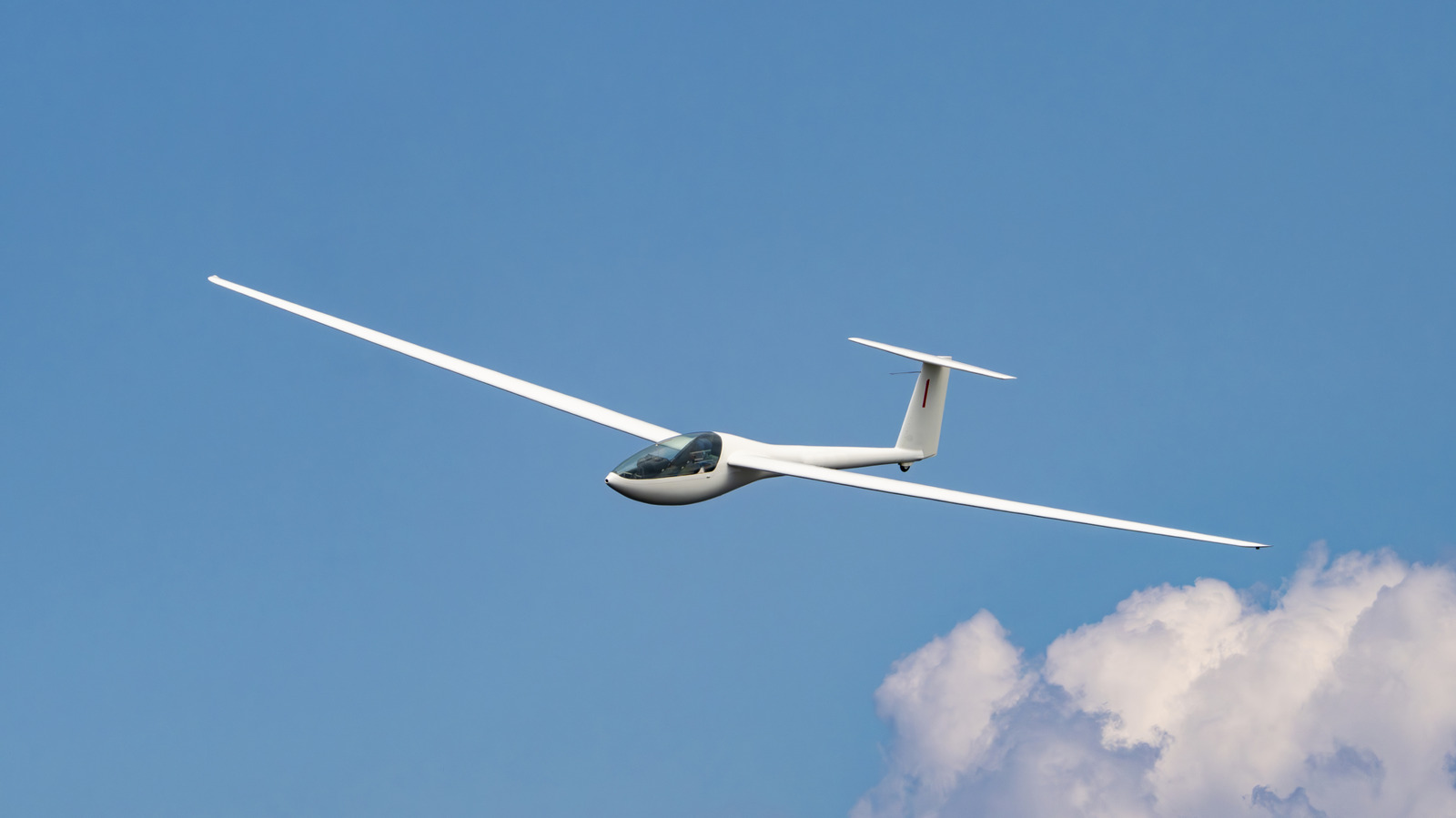
Two pilots shattered an aviation record under near-perfect skies at one of their favorite flying spots; this article walks through the conditions, the preparation, the flight itself, and what made that day click without taking sides or inventing details beyond the core event.
They chose a familiar stretch of air, a place they know like the back of their hands, and launched when weather models lined up in their favor. Calm winds, clear visibility, and stable air gave them a rare window where everything behaved. Those conditions are the kind that turn a difficult attempt into a precise execution rather than a gamble against the elements.
Preparation started long before engines were started for that flight. The pilots reviewed charts, tuned their navigation systems, and rehearsed checklists until actions became second nature. Routine and repetition are what let teams perform under pressure, and that day the routine translated directly into confidence in the cockpit.
Aircraft readiness mattered as much as pilot readiness. Maintenance checks, fuel calculations, weight and balance verifications, and redundancy tests were all completed with an eye toward zero surprises. When machinery is reliable, pilots can focus on flying rather than firefighting, and that margin of focus makes a measurable difference during record runs.
The flight itself was a study in timing and coordination. Every phase, from pre-takeoff alignment to climb profile and cruise pacing, was executed to a plan vetted against the best available data. Precision flying means holding tolerances tight and trusting instruments and instincts to work together, and that blend of science and skill was on display throughout the run.
One of the subtle advantages on days like that is psychological: both pilots knew the field and their partnership. Familiar airspace reduces cognitive load and helps crews anticipate bumps in the road. Trust between pilots speeds decision making and keeps responses clean when conditions shift, which they did only minimally that day.
Observers on the ground and people tracking the attempt noticed how smoothly the whole operation unfolded. There was no drama, just a steady execution of tasks and procedures that added up to a record-breaking outcome. Sometimes breaking a record is less about a flashy maneuver and more about relentless attention to fundamentals.
This achievement highlights the intersection of preparation, equipment, teamwork, and weather. Each factor played a part, and none overwhelmed the others, which is why the day stayed within the pilots’ control from takeoff to touchdown. When those elements align, aviation produces moments that feel almost inevitable in hindsight.
For pilots and enthusiasts watching similar efforts, the takeaways are straightforward: respect the weather, obsess over the checklist, trust your training, and keep gear in peak condition. Those habits don’t guarantee a record, but they stack the odds in favor of success. On the day in question, they stacked up perfectly and the result is now part of the logbooks.
