
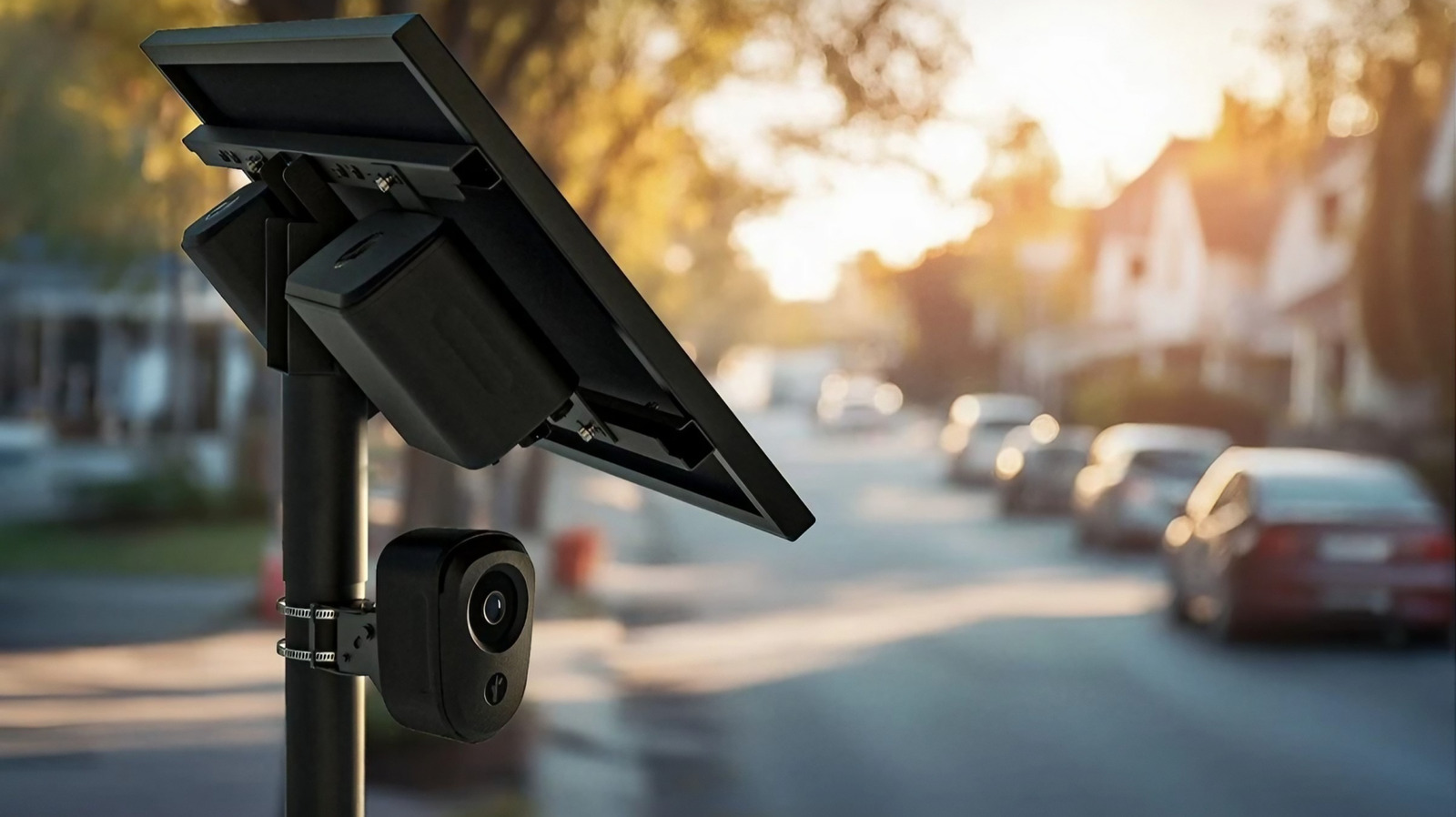
Flock cameras are more than automatic license plate readers. This article breaks down the kinds of information these systems can collect, how that data moves through networks, who can tap into it, and practical steps people and communities can take to manage privacy and oversight.
Flock cameras are small, high-resolution units usually mounted on poles or buildings and aimed at streets and parking lots. They record images and video that include vehicles, their license plates, and sometimes the surrounding scene. Because they are networked, the data they collect moves off-site to cloud servers where it can be processed and archived.
Beyond the plate itself, these cameras often log a date and time stamp, a GPS location, and an image of the vehicle and nearby area. Advanced processing can identify vehicle make, model, and color, and sometimes classify vehicle type such as truck or motorcycle. When people or other objects are in frame, those pixels can be captured too, creating a richer visual record than just letters and numbers.
That processed information can be converted into searchable records and movement histories, allowing someone to trace where a vehicle appeared across multiple camera locations. Law enforcement agencies commonly use these search functions to narrow investigations by time and location. Private companies and other paying customers might also get access to aggregated reports or alerts, depending on contract terms and local rules.
Retention policies vary a lot and shape how long a person’s movements might be reconstructable from the data. Some systems keep plate reads for weeks, others store full images for months, and cloud providers may retain backups for longer. Those retention windows matter because short holds limit misuse while long archives make it easier to build long-term profiles of movement and associations.
Accuracy and false matches are real concerns when systems try to match plates or identify vehicle features. Low light, glare, or obstructions can produce misreads that might flag the wrong person. Human review is often used to confirm automated hits, but mistakes can still cascade, especially when data is shared across agencies or vendors without clear audit trails.
Transparency and policy controls are the practical levers communities can use to balance safety and privacy. Clear public rules about where cameras can be placed, who can access raw images, how long records are kept, and when law enforcement needs a warrant reduce ambiguity. Community oversight, public reporting on requests and usage, and strict contractual limits for vendors also help keep the technology from being used in ways residents did not expect.
For individuals, options are limited but not zero. Asking local officials for the camera policy, attending meetings where procurement and contracts are discussed, and pushing for records of data sharing can make a difference. At a technical level, being mindful of routes and times, and advocating for strong retention limits and independent audits, are concrete steps that reduce the chance that casual presence on the street turns into a long-lived searchable trail.
