
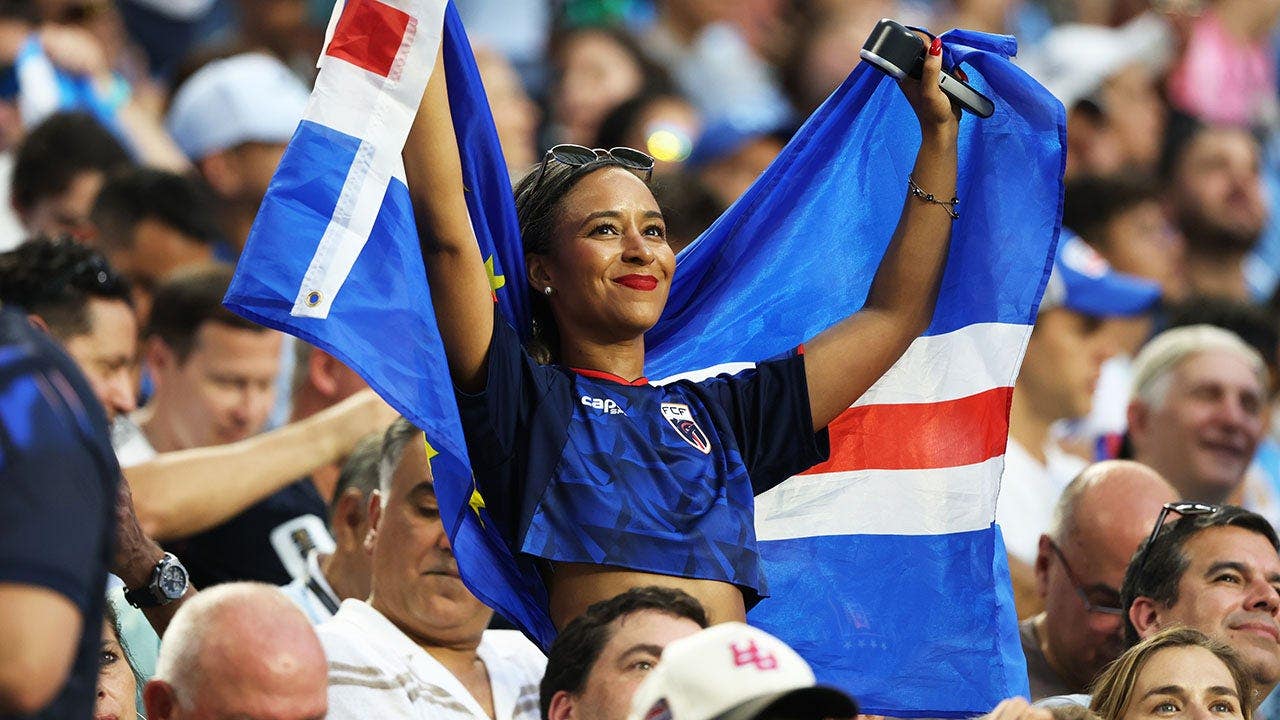
Scammers are circling World Cup ticket hunters, using polished fake sites, urgent sales pitches and AI-made confirmations to steal money and data. This piece explains where the fraud shows up, how the tricks work, what to watch for and the concrete steps to protect yourself and your trip. Read on for practical checks and why an official transfer through FIFA matters more than a pretty screenshot. Keep your cool and verify before you pay.
Finding an unexpectedly cheap World Cup ticket feels like winning, and criminals know that. They use urgency and emotion to make you act fast, dropping lines like “last chance,” “someone else wants them” or “pay now” to short-circuit common sense. That pressure is the key tool in their kit — once you rush, you stop checking the small but crucial details.
Fake websites are the foreground of this scam landscape. Typosquatting and lookalike domains mimic official branding and checkout flows so well most phones and small screens won’t reveal the trick. To be safe, type the official address directly into your browser and navigate from there instead of trusting search results or sponsored ads.
AI makes these scams feel even more legitimate. Scammers can generate flawless confirmation emails, realistic customer-service replies and convincing QR code images in minutes. A polished email or a clean QR screenshot no longer proves anything — the real test is whether the ticket transfers through the official ticketing system.
Screenshots and edited QR codes are a favorite move because they look like proof until you arrive at the gate. If a seller refuses to use the official transfer process or insists on sending images instead of conducting the transfer through the platform, walk away. The only thing that reliably gets you in is an authorized transfer into the official app.
Resale platforms can help, but they are not foolproof. People have paid through known sites and still ended up with refunds instead of seats because transfers failed or sellers disappeared. Those refunds do not replace a missed match, flights or hotel arrangements, so assume risk until the seat is properly transferred to the official ticketing app.
Social networks and messaging apps are where scammers often lurk in plain sight. Listings on Facebook Marketplace, X, Reddit, Telegram and WhatsApp can appear friendly and trustworthy, complete with profile photos and plausible backstories. Phrases like “just want a real fan to go” can be sincere, but they are also common bait — treat that story as unverified until the transfer is official.
Payment method matters. If a seller pushes you toward Zelle, Venmo, Cash App, crypto, gift cards or a wire transfer, red flags should rise immediately. Those channels are difficult to reverse. Using a credit card or keeping the transaction inside a trusted platform gives you far better options if something goes wrong.
Check the domain closely for tiny tricks: extra letters, odd endings, or added words like “ticket” or “World Cup” that make a site look official at a glance. The safest move is to navigate from the official homepage and save it as a bookmark for quick returns. Be especially careful with subdomains and enter them from the homepage rather than guessing them from memory.
Keep proof of everything. Save emails, screenshots of conversations, payment receipts and any transfer confirmations. Before you leave for the stadium, confirm the ticket appears in the official ticketing app — not as an image you were sent, but as a transfer that shows under your account.
If you suspect fraud, act quickly. Contact the payment provider or card issuer to dispute charges and explain what happened. Change passwords for email and any accounts linked to the purchase, enable two-factor authentication and run antivirus scans if you clicked suspicious links or downloaded files.
Consider freezing your credit if you entered sensitive personal data and report the incident to the appropriate authorities, including the Internet Crime Complaint Center. Keep a record of the fake domain, all correspondence and payment details — that information helps investigators and your bank when pursuing refunds or blocking further activity.
Small checks beat big regrets: don’t let a low price or a high-pressure story rush you into a dangerous payment, and don’t let a polished page convince you it’s real. If the seller resists the official transfer, or the deal asks you to skip protected payment systems, step away and find a safer option. A few minutes of verification can save your money, your trip and your identity.
