
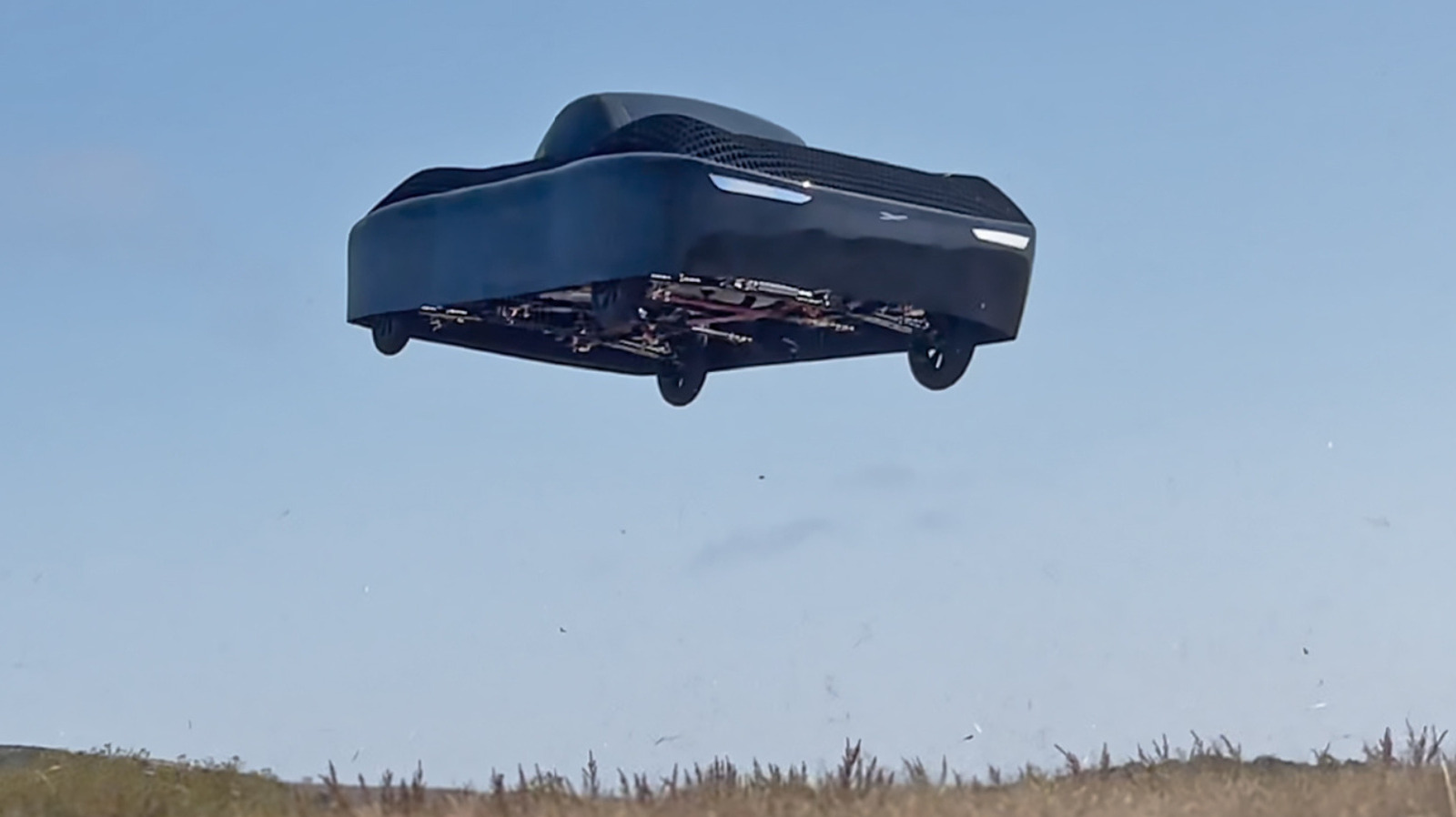
Flying cars are real enough now that the big question is not whether they exist, but what rules will follow them. Some of these machines look like cars, some act more like aircraft, and that split changes everything when it comes to licensing, training, and where they can actually go. The answer to whether you need a pilot’s license depends on the model, the certification path, and how regulators decide to treat it.
Some designs clearly fall into aviation territory. Klein Vision’s AirCar is one example, since it transforms from road mode into a small aircraft and was certified for airworthiness in 2022, with the company saying a pilot’s license would be required. That makes sense when you remember that a vehicle capable of flight is not automatically just a car with wings.
Other manufacturers are trying a different route. Alef’s Model A Ultralight was built to fit FAA Part 103 rules, which means it is aimed at a category that does not call for a traditional pilot’s license. That does not mean anyone can hop in and take off without preparation, but it does show how the rules can shift depending on how the aircraft is designed and classified.
This is where the whole flying car conversation gets messy in a hurry. A lot of people use the term “flying car” loosely, but many of these vehicles are really aircraft first and foremost. Pivotal’s Helix, for instance, is an eVTOL that qualifies as a Part 103 craft, yet operators still need flight training and authorization before they can use it.
AeroAuto’s Air EV One adds another layer to the mix. It is also an eVTOL, and the company says it requires a flight license and certification training, but it does not spell out that owners must hold an FAA-issued pilot’s license. That kind of wording matters, because the difference between a company-issued qualification and a formal pilot credential can change who gets to fly and under what conditions.
The real story here is that flying cars are being built around the rules, not just around the dream. Developers are trying to fit new machines into old regulatory boxes, while also pushing regulators to make those boxes more flexible. That tug-of-war is going to decide which vehicles reach the public and which ones stay stuck in the concept stage.
Klein Vision is already looking ahead to those changes. The company is developing future aircraft with new FAA regulations in mind, and it says its upcoming single-seat and cargo drones will not require the same kind of license as the two-seat AirCar. Instead, Klein Vision plans to handle in-house training and certification, which is a very different model from the traditional pilot pathway.
That shift connects to the FAA’s Modernization of Special Airworthiness Certification, better known as MOSAIC. The rule updates how light-sport aircraft are built, certified, maintained, and operated, with an eye toward better safety and better performance. It also makes these aircraft more practical for training and personal travel, which is exactly why flying car makers are watching it so closely.
Even if the licensing piece gets sorted out, ownership is still not going to be simple. Buying a flying car means stepping into a world where aircraft rules, road rules, and real-world logistics all collide at once. The FAA wants new aircraft concepts to operate safely alongside traditional aircraft, and that raises questions about communications, traffic systems, and where these vehicles are allowed to fly.
Those are not small details. If a flying car cannot talk to air traffic systems or fit into existing airspace without causing chaos, then the whole idea hits a wall fast. So the next big hurdle is not just building something that flies, but proving it can share the sky without turning every commute into a controlled experiment.
