
• White House claims a major tariff-evasion scheme is draining U.S. revenue
• China is singled out as the main example, with dozens of other countries flagged
• Goods can be rerouted through third countries to hide their true origin
• The report says the practice has become a global network, not a one-off trick
• New enforcement tools and retroactive penalties are part of the response
Concerns are rising inside Washington over a trade loophole that lets foreign exporters sneak goods into the U.S. while dodging the full hit of tariffs. A new White House report says the problem is big, organized, and expensive, with China at the center of it and a long list of other countries also in the mix.
The issue is transshipment, a slick workaround that can make a product appear to come from somewhere it really did not. Goods may pass through another country, get lightly assembled, relabeled, or repackaged, and then show up at the border with a cleaner story and a lower tariff bill.
The report, titled “The Great Transshipment Scam,” says this is not a minor paperwork headache. It describes a global web of production hubs, bonded warehouses, free-trade zones, logistics centers, and re-export routes that help products move through the system while masking where they started.
China gets the harshest spotlight because the report says it offers the clearest and most developed example of the tactic. After Section 301 tariffs hit Chinese goods in 2018, direct trade patterns shifted, and the report says exporters increasingly pushed shipments through third countries to keep the pressure down.
That rerouting can be surprisingly simple. A shipment that once moved straight from China to the United States can instead stop in another country, pick up a few cosmetic changes, and then arrive with documents that suggest a different origin altogether.
The White House says the damage is not small change. The report estimates transshipment may be costing the Treasury between $19 billion and $26 billion every year in lost revenue, while broader estimates for tariff-avoidance trade run as high as $303 billion annually.
Those numbers help explain why the administration is treating the issue like a serious enforcement fight rather than a side note. The report says the Trump administration has already taken steps to tighten the screws, and Navarro said Customs and Border Protection has started using artificial intelligence in a prototype effort to catch suspicious shipments.
Navarro also made clear that the penalties can sting hard. Importers found to have lied about where a product came from could face tariffs going back about a year, a move meant to hit bad actors after the fact instead of letting them skate once a shipment clears the border.
The list of countries under scrutiny is broad, stretching well beyond China. Panama, Mexico, Colombia, Brazil, Argentina, Chile, Peru, Costa Rica, and the Dominican Republic are among more than 40 nations described as high-risk transshipment points.
That wide net matters because the practice works best when it can hide in plain sight across multiple borders. Even a country that is not the original source of the goods can become part of the chain if it offers a quick stopover, a lighter customs touch, or a place to shuffle paperwork.
Navarro warned that countries like India could also be pulled into the same kind of scheme if the incentives are there. He said future trade deals pushed by the administration are expected to include language that punishes partners who help exporters play games with origin rules.
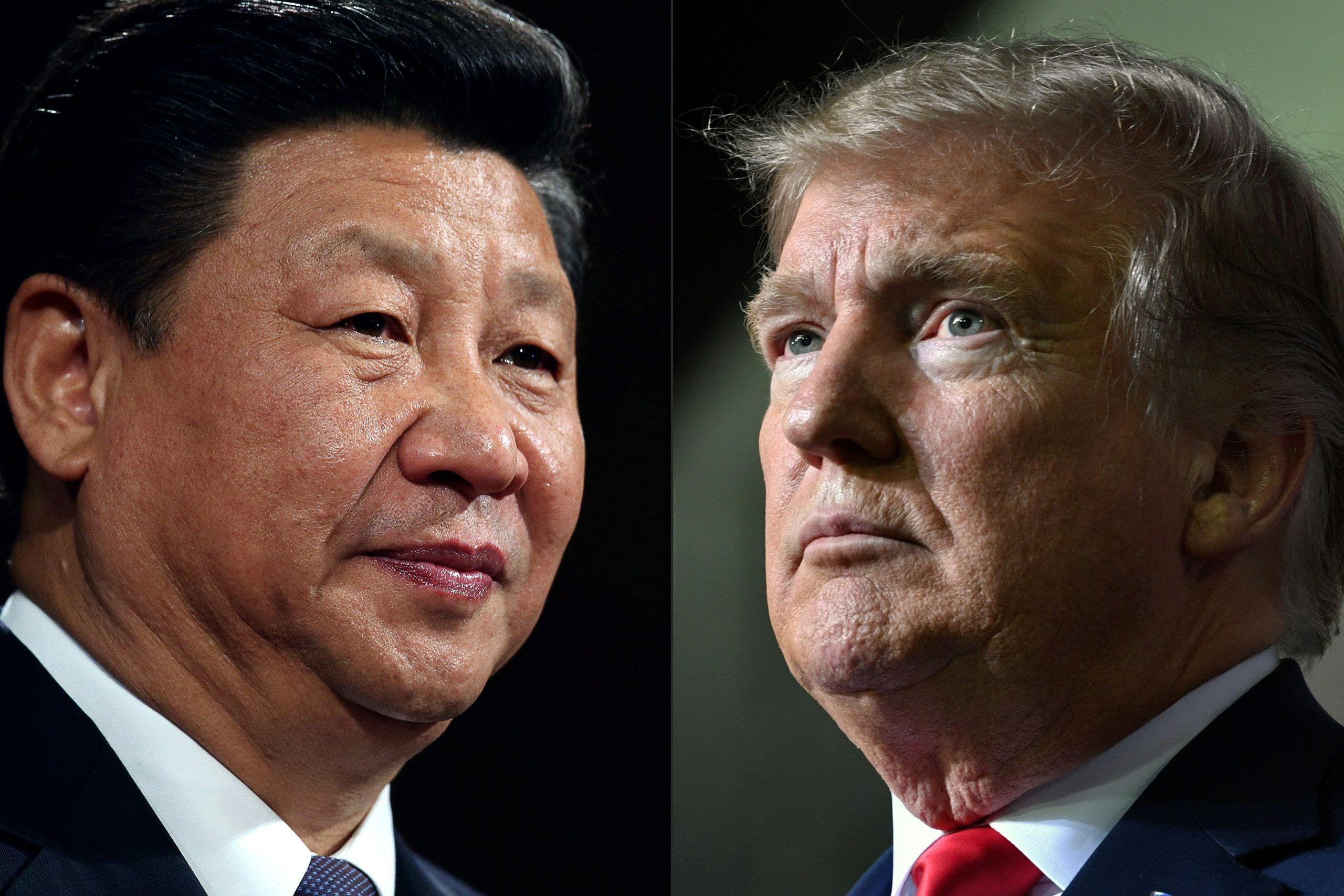
The fight also lands at a politically tense moment, with a planned September visit to Washington by Chinese President Xi Jinping on the calendar. That meeting will come after Trump’s trip to Beijing in May, and trade pressure is clearly not fading in the background.
For supporters of tougher trade policy, the report fits a familiar argument: tariffs only work if the border is enforced and loopholes get closed fast. If companies can simply reroute products, change a label, and call it a new origin, then the whole system starts looking like a shell game with a customs stamp.
