
Checklist:
- Food divorce and why it is catching on
- How separate meals can affect connection
- The role of shared meals in relationships
- Practical and emotional downsides of eating alone
- Flexible meal ideas that still keep couples together
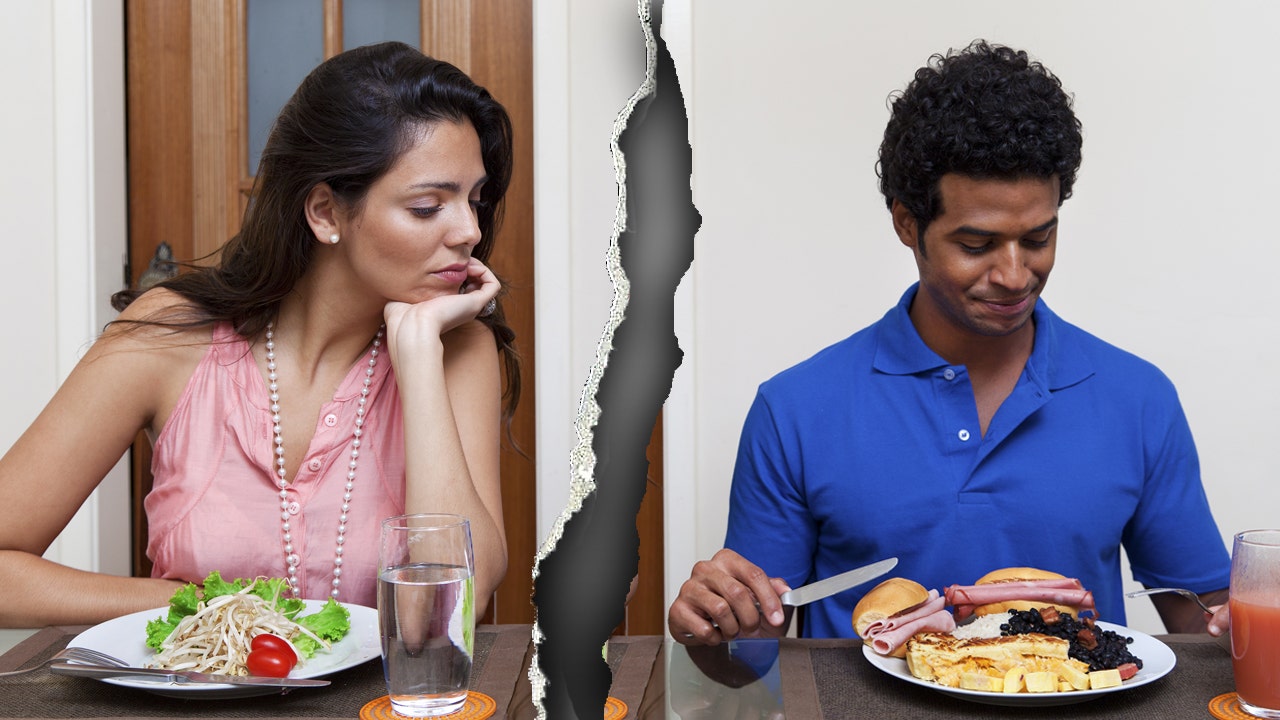
Between different diets, food intolerances and packed schedules, more couples are drifting toward “food divorce,” the buzzy idea of splitting meals instead of planning one shared table. It can sound harmless, even efficient, but experts say the habit can quietly chip away at something bigger than dinner. The issue is not just what is on the plate, but what disappears when people stop meeting there.
For many households, mealtime is one of the few steady moments in a hectic day. It offers a natural pause to talk, check in and notice whether the other person is stressed, distracted or just plain worn out. When that routine fades, so can the easy, everyday connection that helps relationships stay warm.
Dietitian Tanya Freirich says the trend often grows out of real-life pressure, not drama. Separate work shifts, different calorie goals and special diets can make joint meals feel more complicated than they are worth. Still, she points out that eating together has long been a simple way people build closeness and keep relationships grounded.
“Mealtime can be a time to unite, to communicate, to build social relationships and foster a connection,” she said. “If we’re eating completely alone or at different times than important people in our lives, it may foster a little bit of disconnection.” That kind of disconnection can sneak up slowly, especially when busy adults start treating dinner like another task to manage.
Shared meals also tend to do more than feed people. They can lower stress, create a sense of rhythm in the home and make it easier to notice when something feels off. Even a short dinner together can function like a daily reset button, especially for couples juggling work, kids or caregiving duties.
There is also a cultural side to all of this. Communities around the world have gathered around food for generations, and that tradition still carries emotional weight today. Eating apart may save time in the moment, but it can also replace a meaningful ritual with a rushed solo routine.
The downsides are not just emotional. Separate meals can mean more grocery spending, more cleanup and more time spent figuring out who is eating what and when. And when one person eats alone, it is easier to fall into mindless habits like scrolling on a phone, eating too fast or choosing convenience food instead of something more balanced.
That does not mean couples need to eat the exact same thing every night. Freirich suggested a more flexible approach, using meals that can be customized without fully splitting the experience. Deconstructed tacos, grain bowls, pasta nights and sheet pan dinners can all let people build their own plates while still sitting down together.
The real goal is not culinary perfection. It is keeping a habit that makes room for conversation, comfort and a little bit of shared time. “Be very intentional to connect when you can,” Freirich suggested. “Make that a really special meal. Be intentional with your connection. Put the phone away and actually enjoy the other person’s company.”
