
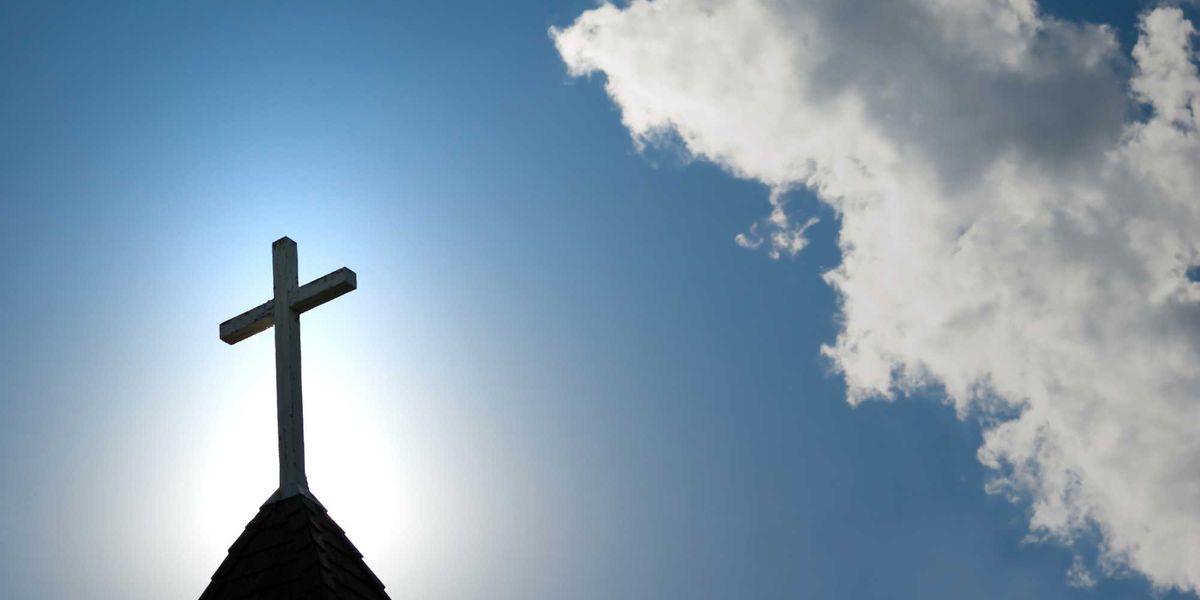
Grief can crack a person open in an instant, but it can also expose what still stands when everything else feels shaken. In that raw space, faith is not a neat slogan or a polished answer, but a stubborn claim that pain does not get the last word. The heart of this piece sits in that tension, where sorrow is real, sin is real, and hope refuses to be bullied into silence.
There is something deeply human about wanting control after loss, especially after public tragedy or personal heartbreak. People reach for explanations, scapegoats, outrage, and noise, because silence can feel unbearable when the ground has gone soft beneath their feet. Yet the Christian response is often quieter than the world expects, shaped less by performance and more by the conviction that suffering does not erase meaning.
That is where the phrase about a place sin cannot molest lands with unusual force. It points beyond the immediate wreckage of life toward a reality that cannot be touched by corruption, fear, or death. For believers, that is not an escape hatch from grief, but a reason to keep grief from becoming despair.
Church language can sound polished from a distance, but in the middle of loss it gets stripped down fast. The big words shrink into something plain: comfort, mercy, endurance, and the promise that evil is not ultimate. When people are hurting, they do not need decorative theology, they need truth that can survive tears, anger, and unanswered questions.
Sin remains part of the story because the world is not the way it should be. That reality shows up in cruelty, confusion, broken speech, selfish reactions, and the habits that deepen pain instead of healing it. Christians do not have to pretend otherwise, but they also do not have to treat sin as stronger than grace.
What makes faith distinct in moments like these is that it refuses to reduce a person to the worst thing that has happened, or the worst thing that has been done. Loss can make everything feel flattened into one color, one emotion, one unbearable memory. Faith pushes back by insisting that a soul is more than its wounds and more than the violence that touched it.
That message matters because modern life often trains people to be cynical before they are healed. Public sorrow gets turned into content, outrage gets recycled into identity, and every wound gets measured by how loudly it can be posted. But Christian hope is not built for the spotlight, it is built for the valley, where language gets small and trust has to do the heavy lifting.
There is also a hard honesty in admitting that grief changes people. Some become gentler, some become bitter, and some begin searching for anything that can hold them together. In that search, the church is at its best when it does not rush people, does not sanitize pain, and does not hand out empty phrases dressed up as comfort.
Instead, it offers presence, prayer, memory, and the old stubborn confidence that death is not the final authority. That is a dangerous kind of hope in a world addicted to headlines, because it cannot be managed by mood or bent by fear. It keeps standing even when everything around it feels unstable, and that is exactly why it matters so much when sorrow hits hard.
For many believers, the deepest comfort is not that pain disappears, but that it is not sovereign. The place where sin cannot reach is not a fantasy built to avoid sorrow, but a destination that gives sorrow its borders. And in that borderland between ache and promise, faith keeps breathing, quietly but unmistakably, while the world keeps asking how anything good can still be trusted.
