
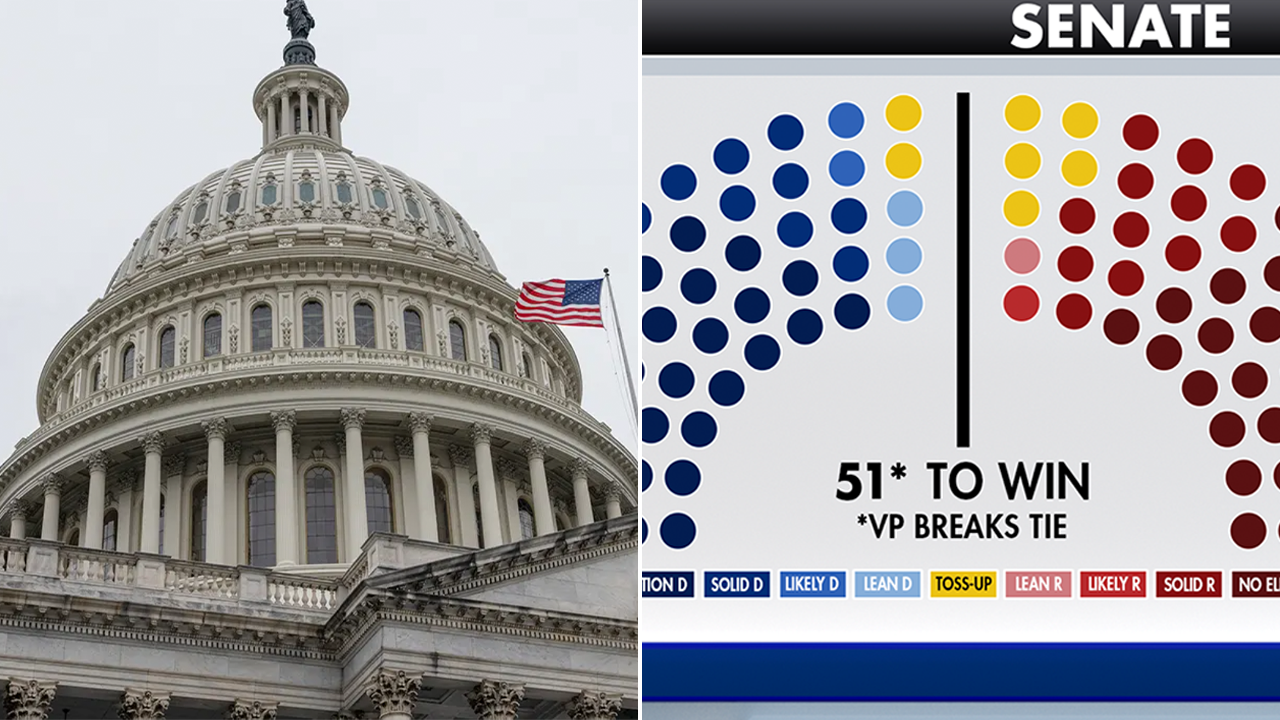
When the Senate comes out of an election tied 50-50, there is no magic buzzer or sudden overtime period to clear things up. The Constitution leaves plenty of room for politics, precedent, and raw deal-making, which is exactly why a deadlock can turn into a bruising fight over power, procedure, and who gets to steer the chamber.
Sports have tidy ways to settle a draw. Soccer goes to penalty kicks, hockey leans on overtime, and baseball keeps adding innings until one team finally breaks through. The Senate, on the other hand, can sit in a tie and still look for an answer that is more tradition than rulebook, more negotiation than scoreboard.
On the floor, a tied vote is simple enough. The vice president, serving as president of the Senate, can cast the deciding vote when the chamber splits evenly, and a tied motion fails unless that tie is broken. That only solves individual roll call votes, though, not the bigger question of who actually controls the place when neither party has a clear majority.
That is where things get messy. The Senate’s standing rules do not contain a built-in mechanism for deciding which party becomes the majority in a 50-50 chamber, and there is no automatic rule saying the president’s party gets the upper hand. If the election leaves the chamber split down the middle, the answer has to come from senators themselves.
History offers a few examples, but none of them were neat or easy. The Senate has dealt with ties before, including stretches in 1881 and 1954, and it has also worked through more recent deadlocks after the 2000 and 2020 elections. In both modern cases, the chamber eventually landed on a power-sharing arrangement that kept things moving, even if it did not erase the tension.
The 2000 fight took time to sort out, and it ended with a Senate arrangement that let Republicans keep the majority while giving Democrats meaningful floor rights and committee representation. It was not a warm, fuzzy compromise. It was a practical one, hammered out because both sides understood that a chamber stuck in limbo would be a headache for everyone.
The 2020 result brought a similar setup after the Georgia runoffs gave Democrats the seats they needed to make the chamber 50-50. That agreement mattered because it determined more than committee chairs and talking time. It also helped define who would control the machinery of the Senate during a period when every vote had outsized weight.
That same kind of bargain would matter again if another tied Senate emerged after the next election. The problem is that a power-sharing deal depends on trust, leverage, and a willingness to give the other side room to breathe. Without that, the chamber can get stuck in a holding pattern while the two parties stare each other down.
The vice president’s role becomes a lot more interesting in that scenario. A president of the Senate can break ties, but cannot debate or run the chamber like a House speaker with broad authority. If the Senate were deadlocked without a formal agreement, the question of who presides and who sets the rhythm of the chamber could become a real source of friction.
That is why the president pro tempore and other senior senators enter the conversation too. If the chamber cannot settle on a clean majority framework, questions about who sits in the chair and who shapes the schedule can start to matter almost as much as the elections themselves. The Senate may call itself a body of equals, but a tie puts that equality under a harsh spotlight.
What makes all of this so volatile is that the Senate runs on precedent almost as much as it runs on rules. If senators want order, they usually find a way to bargain. If they do not, then every disputed seat, every contested vote, and every leadership claim can turn the chamber into a pressure cooker with no easy release valve.
And that is the real twist. A tied Senate is not just a bookkeeping problem, it is a test of whether lawmakers can still cut a deal when the scoreboard refuses to settle the matter for them. When the chamber locks up, the answer is not buried in some hidden clause, it is sitting right there in the room, waiting for somebody to blink first.
