
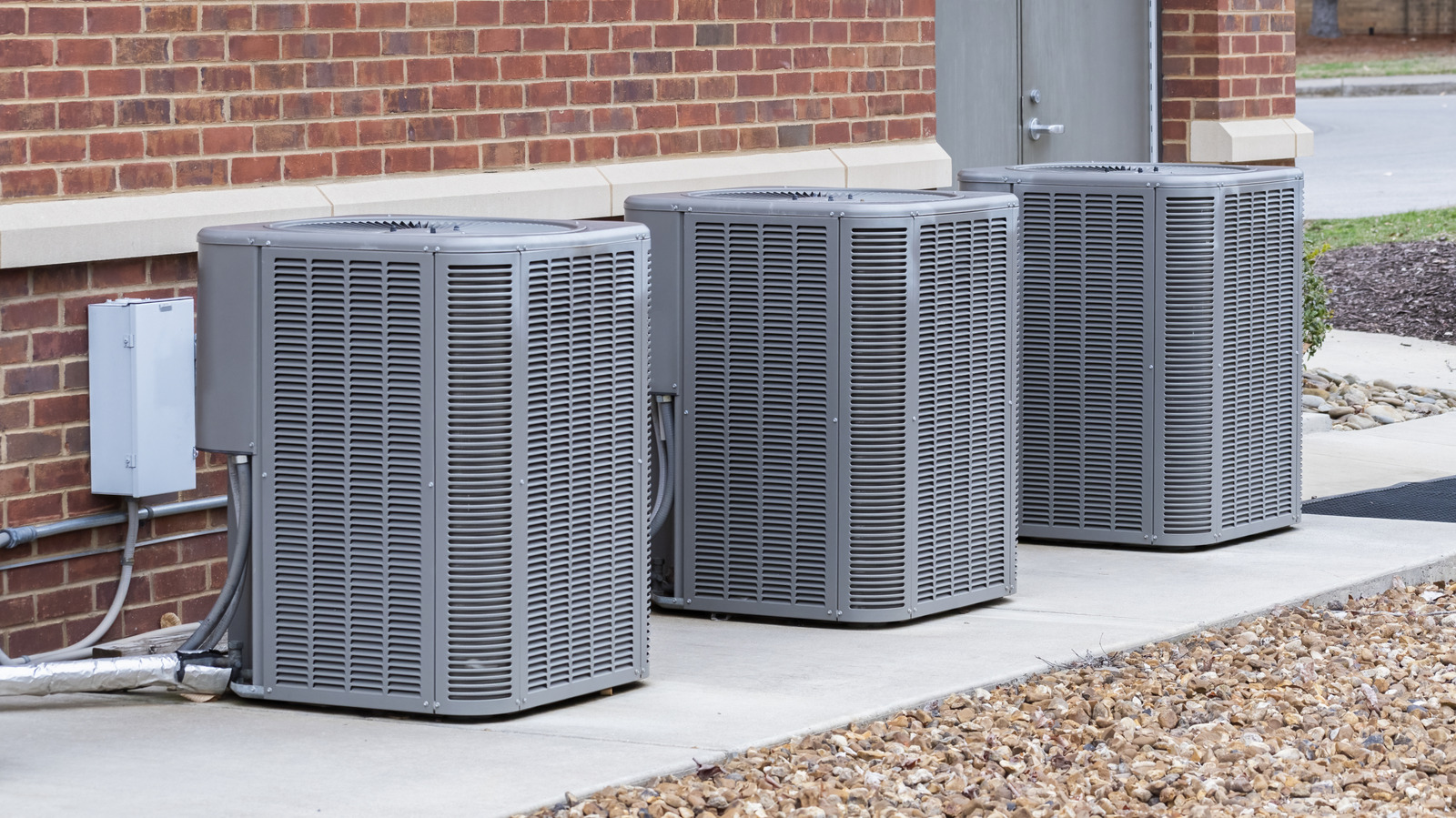
Your air conditioner is more than a box that blasts cold air. Picking the right one comes down to a sizing method built around real-world cooling needs, and that is where the 115% rule steps in. It is meant to keep equipment matched to the home so you get comfort, moisture control, and efficiency without going overboard.
The starting point is ACCA Manual J, the standard load calculation used to figure out how much heat your home needs to shed during peak summer conditions. That calculation looks at the stuff that actually changes cooling demand, like climate, insulation, windows, air leakage, duct design, occupancy, and indoor humidity. The result is measured in BTU/h, and that number becomes the foundation for choosing the right equipment through ACCA Manual S.
Manual S is where the 115% rule shows up. It says an air conditioner’s rated capacity cannot be more than 115% of the calculated sensible cooling load, which helps prevent homeowners from buying a unit that is too large for the space. In plain terms, the rule keeps the system close to what the house really needs instead of padding the setup with extra cooling power just in case.
That matters because cooling a home is not only about reaching a lower temperature fast. Air conditioners are also supposed to pull moisture out of the air while they run, and that part gets messy when the equipment is oversized. If the unit shuts off too quickly, it may never run long enough to handle humidity the way it should.
When an oversized AC keeps turning on and off in short bursts, that is short-cycling, and it creates a chain reaction of annoyances. The room may feel chilly, but the air can still be sticky and uncomfortable because too much moisture is left behind. In humid climates, that can push indoor humidity above 60%, which raises the odds of mold and other moisture problems.
Short-cycling also hits the system itself. Constant starts and stops add wear to components, and that extra stress can chip away at the lifespan of the unit much faster than people expect. So while a bigger system may seem like a safer bet, it can actually end up being the noisier, less efficient, and more expensive choice over time.
The 115% rule is basically a guardrail against that mistake. It recognizes that the hottest days are not the whole story and that most cooling seasons are spent under far lighter demand than the peak load used in the calculation. By keeping equipment size within a controlled range, the rule helps the AC run long enough to do the full job, not just the temperature part.
That is why proper sizing is such a big deal when a system is being replaced or installed. Square footage alone does not tell the whole story, and a house with great insulation can need very different equipment than one with leaky windows and weak ductwork. The more accurate the load calculation, the better the chance the final system will feel steady, dry, and comfortable instead of overly aggressive.
For homeowners, the practical takeaway is simple: the best AC is not automatically the biggest one. A correctly sized system, chosen from a solid Manual J calculation and checked against Manual S limits, is usually the smarter move. It is the difference between a system that just cools and one that actually handles the house the way it should.
