
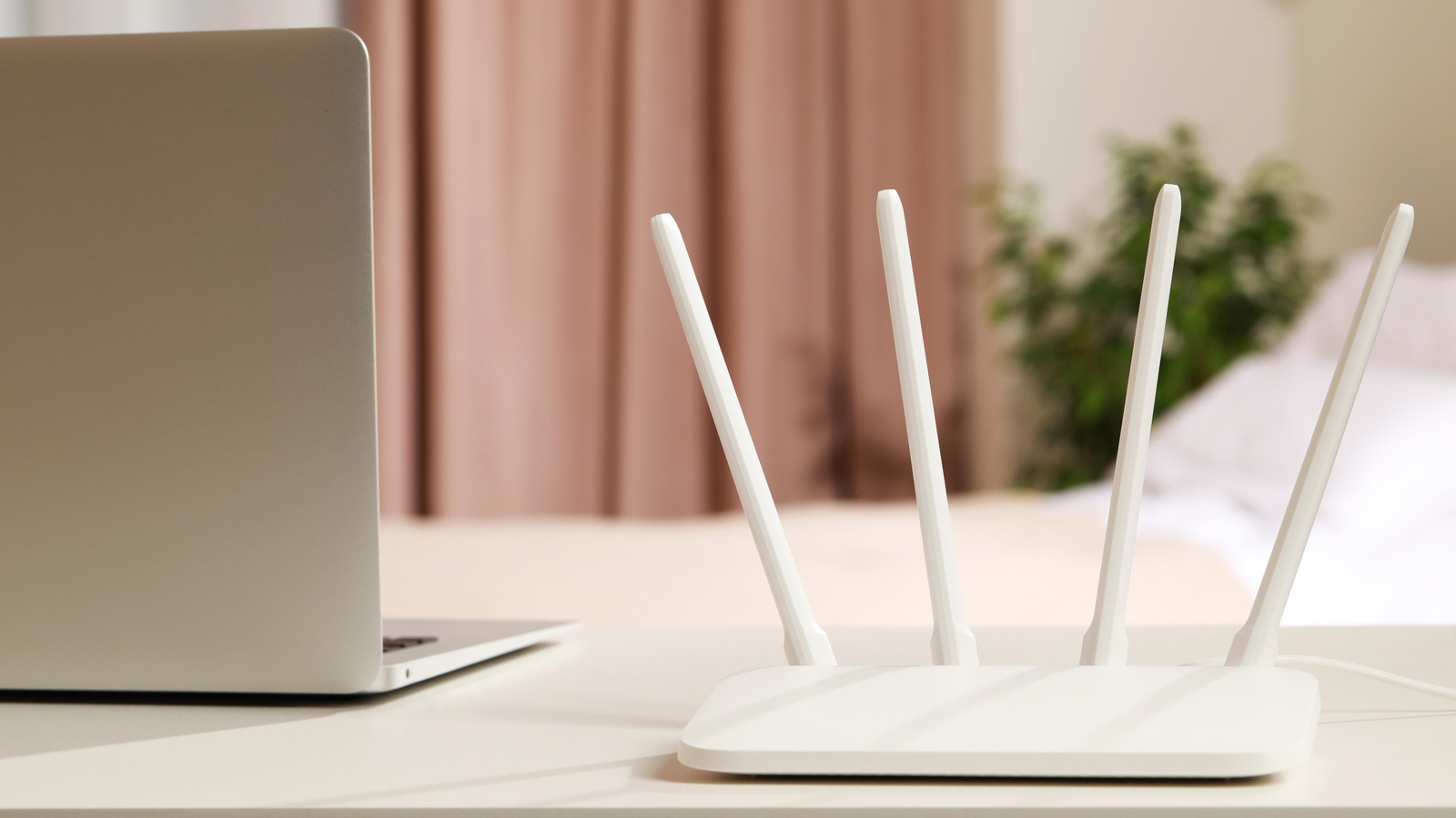
- Focus on why 5 GHz Wi-Fi matters for faster, steadier device performance
- Cover smartphones and why they benefit from lower latency
- Explain why laptops and computers need stronger wireless performance
- Show how streaming boxes, smart TVs, and game consoles handle heavy traffic better on 5 GHz
- Include smart speakers and the value of quicker responses
- Keep the main topic front and center throughout the piece
Most homes now run on dual-band Wi-Fi, and that means the choice between 2.4 GHz and 5 GHz is always sitting there in the background. The slower band has its place, especially when distance matters, but the faster band usually wins whenever speed, responsiveness, and smooth performance are the goal. For a handful of everyday devices, sticking with 5 GHz is the smart move.
Phones are a perfect example. If you spend any real time streaming video, scrolling social apps, or jumping into mobile games, 5 GHz can make the whole experience feel a lot cleaner and quicker. Pages open faster, video buffers less, and lag drops enough to matter when every split second counts.
That lower latency is a big deal for gaming on a phone too. Even if the data usage itself is pretty modest, the timing has to be sharp, and 5 GHz usually handles that better than 2.4 GHz. Messages, calls, and basic browsing can also feel more responsive when the connection is less crowded and less prone to interference.
Laptops and other computers deserve the same treatment. They often run more background activity than phones, from cloud syncing to browser tabs to updates quietly working behind the scenes, and all of that adds weight to the network. If Ethernet is available, that is still the best option, but if you are on Wi-Fi, 5 GHz is usually the better lane.
This matters even more when work is involved. Video calls, shared documents, browser-based tools, and remote collaboration all tend to behave better when the connection is fast and stable. A sluggish wireless band can turn a simple meeting into a mess of frozen faces and awkward delays, while 5 GHz helps keep things moving.
Streaming boxes and smart TVs also benefit a lot from the faster band. With 4K content, high audio quality, and multiple people watching across the house, the network can get busy in a hurry, and 5 GHz is better at handling that load. Even when 2.4 GHz can technically support the stream, the faster band tends to load content more smoothly and makes offline downloads go quicker too.
Game consoles are another easy call. Modern systems push massive downloads that can run into the hundreds of gigabytes, and waiting for those updates over a slow connection gets old fast. 5 GHz helps speed things up and keeps online play steadier, which is exactly what you want when the whole household is using the network at the same time.
Smart speakers may not burn through much bandwidth, but they still benefit from a stronger connection than people expect. When a voice assistant takes too long to answer, the delay feels way more annoying than it should, and lower latency can help trim that down. If the speaker is also handling music playback, especially higher-quality audio, the extra bandwidth from 5 GHz can make things feel smoother and more dependable.
None of this means 2.4 GHz is useless. It still matters for devices that sit far from the router or for situations where range matters more than speed. But for the devices people use hardest and most often, 5 GHz is usually the band that keeps the experience sharp, quick, and a lot less frustrating.
