
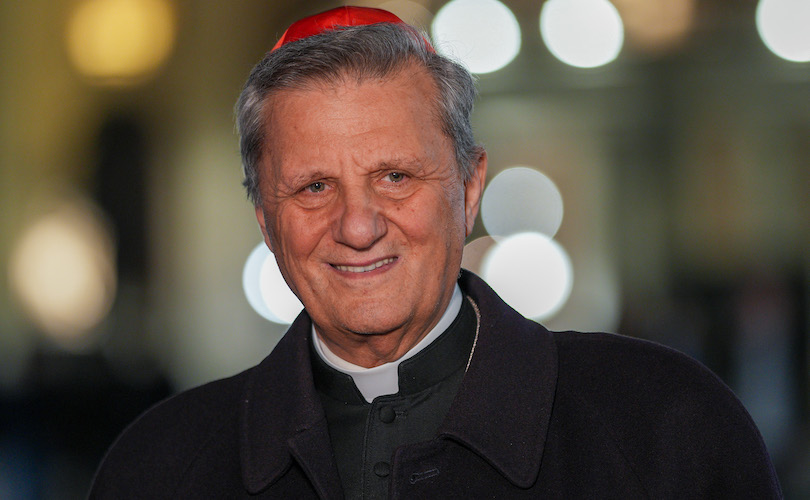
Cardinal Grech’s public praise for the German ‘Synodal Way’ has touched off fresh debate inside the Church, highlighting deep tensions between local reform movements and long-standing Catholic teaching, especially on questions around sexuality. This piece examines the claim, the context, the reactions, and the wider questions it raises about authority and doctrinal clarity in Rome and beyond.
The headline grabbing line was plain: “Cardinal Grech claims heterodox German ‘Synodal Way’ was inspired by the ‘Holy Spirit’”. That statement landed in a landscape already charged by disagreements over pastoral practice, theology, and how far national churches can go when they push boundaries. Whoever you are, that kind of wording forces a pause because it frames a contentious local process as carrying supernatural endorsement.
Grech, as the leader of the Vatican’s Synod, occupies a role meant to bridge local concerns and universal doctrine, which is why his words matter so much. Many faithful heard praise for the German process as a signal that controversial changes might win tacit approval at the highest levels. Others saw it as reckless, since the German path has openly rejected certain long-standing teachings, notably on homosexuality and other moral issues.
The German ‘Synodal Way’ has pursued reforms that critics call heterodox, reshaping pastoral approaches and proposing changes that clash with established magisterial teaching. That friction is not new, but the tone shifted when a Vatican official appeared to bless the effort, whether intentionally or by implication. For clergy and laity watching closely, the worry is less about personalities and more about precedent: how Rome responds will influence diocesan debates elsewhere.
Practical consequences are already visible. Bishops in various countries now face renewed pressure to either align with Berlin-style experiments or distance themselves to protect doctrinal unity. Parish life could change if local pastors take the German proposals as a cue, especially in sacramental practice and formation of young Catholics. The result could be a patchwork Church where beliefs and norms vary dramatically by region.
Theological questions sharpen fast when authority is at stake. If a leading synod figure suggests a contentious national project is Spirit-led, that raises questions about the interpretation of conscience, the role of episcopal conferences, and the boundaries of legitimate reform. The faithful deserve clarity: what counts as development of doctrine, and what crosses into departure from the faith as handed down?
Responses have been mixed, ranging from guarded support among those who want urgent pastoral renewal to sharp criticism from pastors and scholars who view the German trajectory as departing from core teachings. Conversation has to include both pastoral sensitivity and doctrinal honesty, or the Church risks either alienating people or diluting the claims it makes about truth. Rome’s task is to shepherd the dialogue without sowing confusion.
At the end of the day, the debate over Grech’s remarks and the German ‘Synodal Way’ is a reminder that institutional words have consequences. The next steps will matter: clarifying the relationship between synodal consultation and magisterial authority, setting boundaries for legitimate diversity, and ensuring pastoral innovation does not undermine doctrinal continuity. That is a tall order, and one that invites sustained, clear engagement from bishops, theologians, and the faithful alike.
