
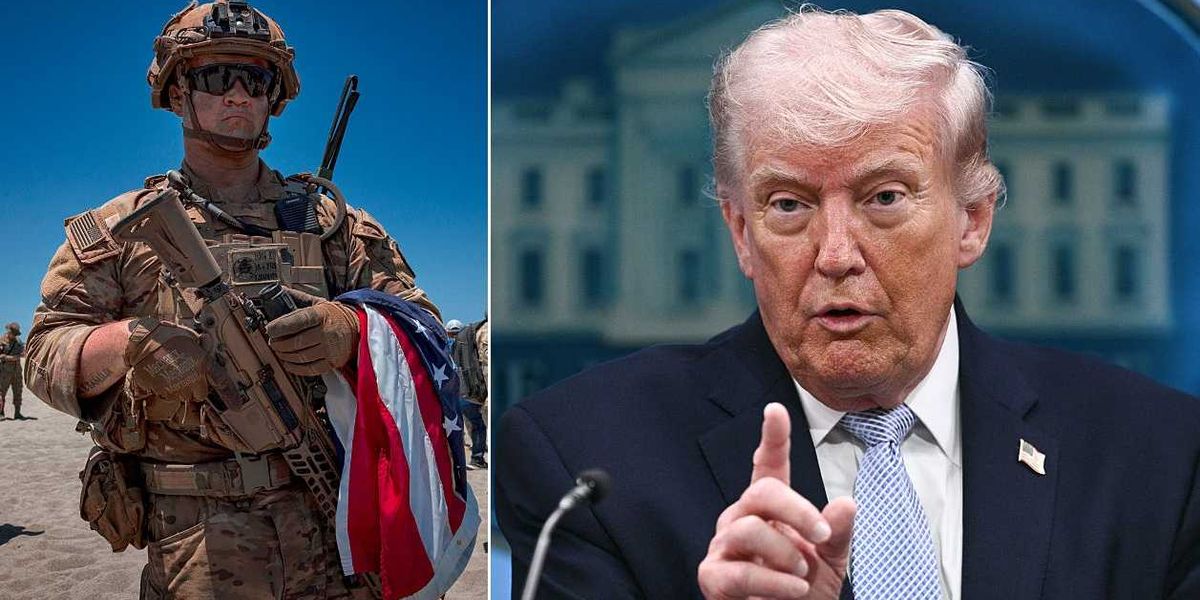
This Memorial Day finds thousands more U.S. troops locked in place across the Middle East as tensions with Iran simmer and negotiations quietly inch forward, with the White House insisting it will not accept a bad deal. The posture is deliberate: a show of strength at sea and on land while diplomatic channels move in the background, and the president keeps reminding the public that America will not tolerate a nuclear Iran. Troop numbers, public statements, and a tight timeline all reflect a strategy that blends pressure with the promise of a better outcome on America’s terms.
More American service members are in the region than usual, with forces positioned “at sea” and on standby to respond quickly if needed. Those deployments include rapid-reaction units and paratroopers placed “within striking distance of Iran,” a posture meant to deter further aggression and reassure allies. The military’s steady presence underscores that diplomacy is happening under the shadow of credible force.
The administration has framed this approach as the responsible use of American power—firm, not reckless. Officials have been careful with details, and CENTCOM’s policy of not commenting on troop movements keeps operational security intact. Still, the public can see the message: we are prepared to act, and that readiness shapes negotiations.
The president has been blunt about the state of talks, calling the tentative ceasefire “on life support” when an Iranian offer failed to meet expectations. He labeled that proposal a “piece of garbage.” Those plainspoken assessments are part of a broader negotiation tactic: make clear what won’t be tolerated and bargain from a position of strength.
At the same time, there are signs a resolution may be possible, and the White House is playing the long game rather than forcing a hasty agreement. The president noted in public remarks that “negotiations are proceeding in an orderly and constructive manner” and that America’s “relationship with Iran is becoming a much more professional and productive one.” That tone signals cautious optimism without surrendering leverage.
Trump also floated the idea that, down the line, Iran might even be considered for inclusion among the “Nations of the historic Abraham Accords.” It’s an ambitious vision, but one that frames any deal as conditional and transformative rather than a simple pause in hostilities. He’s repeatedly stressed that America will not bend on core security goals.
The president made an explicit promise about nuclear weapons and historical comparisons, declaring that any agreement will be “THE EXACT OPPOSITE” of past arrangements and refusing to repeat the errors that ceded leverage before. He invoked the phrase “pallets of cash” to underline how different his approach is from what he says were weak bargains of the past. The message is clear: no shortcuts, no loopholes, and no nuclear Iran.
Meanwhile, the public debate is focused on whether a diplomatic end can be secured without compromising U.S. interests or risking another long conflict. Veterans’ families and active-duty troops are watching closely, and Memorial Day adds weight to every political and military move. The administration wants to solve the problem, but on terms that keep America safer and stronger.
Practical realities on the ground matter: readiness, presence, and patience are shaping outcomes. The president’s mix of pressure and negotiation aims to create a deal that reinforces U.S. credibility and prevents nuclear proliferation. That balance—military readiness matched with tight diplomacy—is the central story driving events this holiday weekend.
