
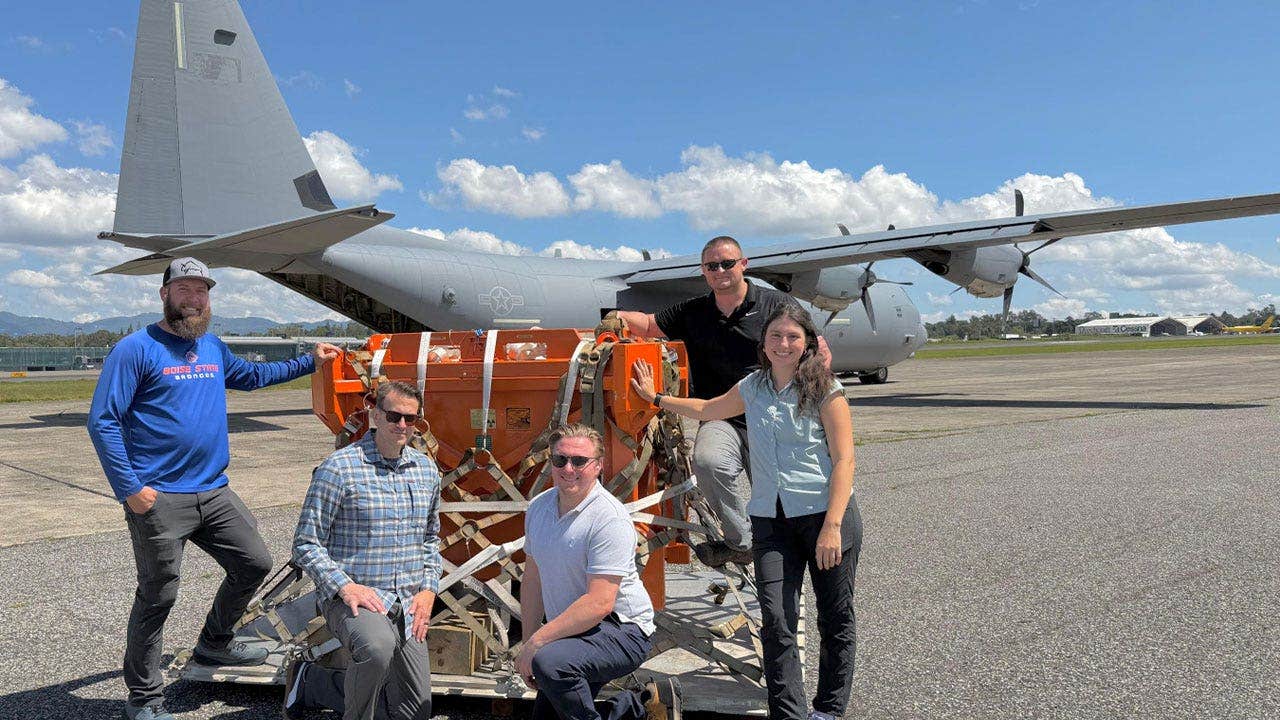
Cobalt-60, a medical isotope that can help treat cancer, has now become the center of a sharp security warning after U.S. officials pulled a dangerous source out of Guatemala and brought it back under tighter control. The move was driven by one big fear: if the material had been stolen, it could have been turned into a dirty bomb. The operation put a spotlight on how a tool meant for healing can also become a major threat when it is left exposed.
The radioactive source had been sitting inside a disused radiation device before American and Guatemalan teams removed it and packed it for secure transport. Officials said the material was taken from a U.S.-origin teletherapy machine, and the handoff was handled with close coordination from both countries. The work was not quick or casual, either, since the effort started months earlier and involved specialists with experience handling high-risk nuclear material.
The National Nuclear Security Administration said the operation was part of a wider push to keep dangerous radioactive sources out of the wrong hands. That concern is not hypothetical, because material like cobalt-60 can be attractive to terrorists or other hostile actors looking for a way to cause panic and chaos. Even if the material is not suited for a nuclear explosion, a radiological device can still spread fear, contamination, and long-term disruption.
In this case, the removal began in May, when teams from Los Alamos National Laboratory worked with a facility in Guatemala to extract the cobalt-60 component. Guatemalan authorities helped with transportation, logistics, and physical security, which kept the operation on track and reduced the chance of anything going sideways. That kind of cooperation tends to get less attention than the threat itself, but it is exactly what makes these missions possible.
The warning around cobalt-60 is simple enough. It has legitimate medical uses, especially in cancer treatment, but when it is no longer in active use it can turn into a security headache fast. A source that is ignored, forgotten, or poorly guarded becomes a gift to anyone hoping to weaponize radioactive material.
Officials said the recovered source could have been used to build a radiological weapon, often called a dirty bomb. That phrase gets tossed around a lot, but the risk behind it is real, since the goal is not a nuclear blast but radioactive contamination and public terror. The aftermath could shut down streets, buildings, or even whole neighborhoods while crews work to clean up the mess.
The Trump administration has put a heavy emphasis on stopping terrorists from getting chemical, biological, radiological, or nuclear weapons. That approach fits neatly with the 2026 Counterterrorism Strategy, which treats blocking access to these materials as a core national security job. The message is blunt: keep the bad stuff locked down before someone uses it to hurt Americans.
Matthew Napoli, deputy administrator for the NNSA’s Office of Defense Nuclear Nonproliferation, praised the effort in direct terms. “Our mission is simple: protect American citizens, secure our borders, and ensure our adversaries never get their hands on materials that could harm our country,” he said. He also called the removal a strong sign of cooperation with Guatemala and said the agency will keep moving aggressively on these kinds of threats.
Guatemala’s National Centre of Radioactive Wastes and its Ministry of Energy and Mines also played a hands-on role during the operation. Their support helped move the source safely and made sure the process stayed secure from start to finish. Mayra Villatoro, who heads the Unit of Technical Laboratories at the ministry, said the collaboration removed a danger that had been hanging over both the community and the country.
After the cobalt-60 component was packaged, the Defense Threat Reduction Agency handled secure transport back to the United States. Robert Bridges, a DTRA program manager, said the repatriation reflected major interagency cooperation and a shared goal of cutting radiological risk. The work also fits into the NNSA’s broader effort to work with foreign partners and remove high-activity radioactive material before it can become a headline for all the wrong reasons.
