
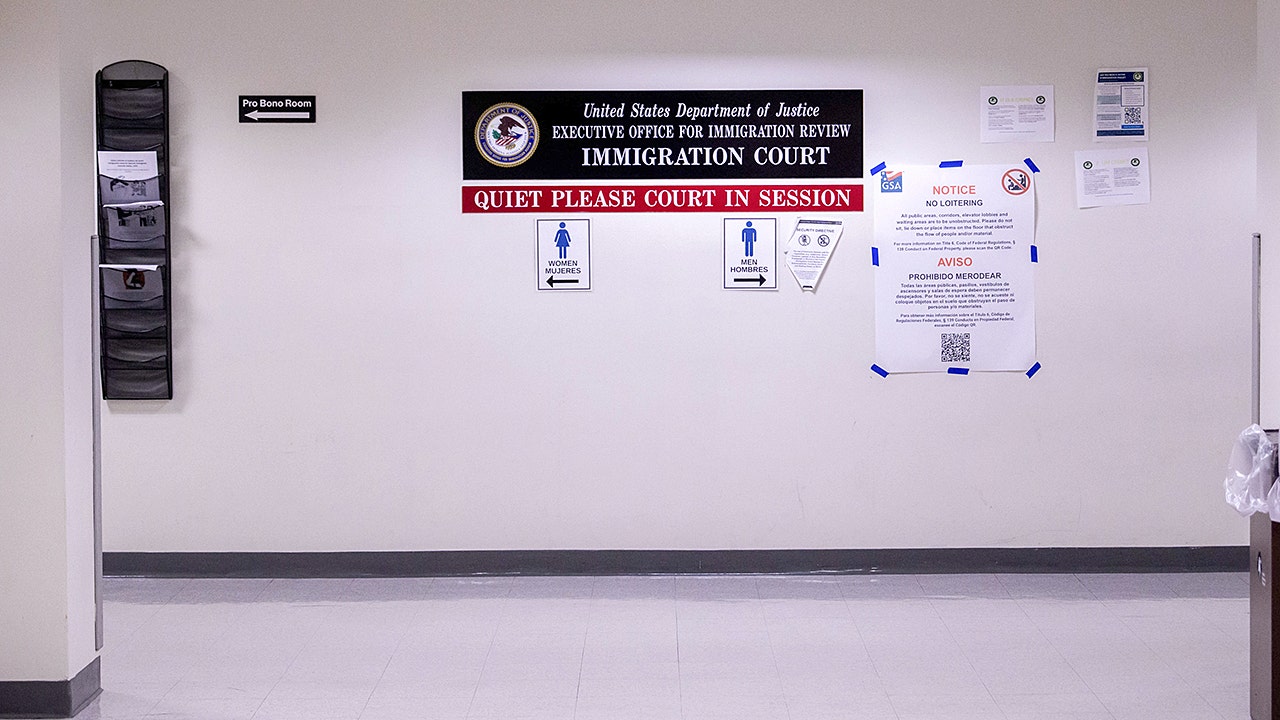
Officials overseeing unaccompanied migrant children are pushing back hard on claims that a 1-year-old boy was left without legal help in immigration court. Their timeline says the child’s case moved through a series of contractor changes, missed paperwork, and later representation that changed the picture in a big way.
The dispute centers on how one early court appearance got described versus what actually happened next. Office of Refugee Resettlement leaders say the broader issue is not a wave of babies standing alone before judges, but a contractor system that broke down, got replaced, and then tightened up under new oversight.
According to the timeline, Border Patrol first encountered the boy and his 17-year-old mother near Naco, Arizona, on June 25. The child stayed with his mother through the court process, while legal services moved in and out of place as the agency shifted providers.
The first real problem came in July, when the former contractor, Acacia Center for Justice, completed a legal orientation and consultation but did not file the notice needed to formally appear in court. That meant the child’s July 8 hearing went forward with no attorney present, even though the contract was still active at the time.
Officials say that miss is exactly why they lost confidence in the old setup. They argue the issue was not a simple lack of money, but weak accountability, sloppy tracking, and invoices that did not clearly show who was being served or how often.
Once Acacia’s role ended, the work shifted to the U.S. Committee for Refugees and Immigrants, which began legal services in early August. At an Aug. 7 hearing, the mother and child were given more time to secure counsel, and USCRI representatives later showed up at subsequent hearings as a friend of the court.
That arrangement matters because it shows the case did not just sit in limbo. By late August and into September, the process had moved toward formal representation, with a request for court-appointed counsel later denied and child advocates eventually stepping in on Sept. 23.
USCRI then filed the notice of appearance on Sept. 25 and officially represented both mother and child by Sept. 29. The judge granted a continuance on Oct. 2, and another hearing was set for Friday, which is a far cry from the idea that the child was abandoned to face the court alone.
ORR leaders say the controversy also exposed the cost of a huge contract awarded under the previous administration. Federal records show the government gave Acacia a $356.3 million bridge contract for legal services for unaccompanied children, with more than $236.9 million already spent before the deal was dissolved.
That scale has raised eyebrows because the provider had reportedly helped tens of thousands of migrant children. Still, officials say the size of the contract did not guarantee clean performance, and the redacted invoices made it hard to know what services were actually delivered month after month.
Salazar and Fabbricatore both stressed that the new system is built around closer tracking. They say ORR now follows which children are tied to which attorneys on specific dates, while also respecting attorney-client privilege and making sure case information is logged more clearly.
Fabbricatore said the old contractor would not provide key identifiers, including alien registration numbers, which made it difficult to confirm who had real representation. That kind of stonewalling, he said, slowed the agency’s ability to verify legal coverage and keep hearings from falling through the cracks.
The agency also pointed to the age breakdown inside its custody population. Salazar said only about 2% of migrant children in ORR care are under age 5, while the vast majority are teens, with many between 16 and 17.
That detail changes the tone of the debate, because the public often imagines a room full of toddlers in legal danger. ORR says the reality is a much older caseload, fewer children overall, and a system now pushing to get hearings covered more consistently.
Fabbricatore said there are currently 1,690 migrant children in ORR custody, a sharp drop from the Biden-era daily count he said reached 22,000. He framed the reduction as proof that the agency is moving kids through the court process faster and, when possible, getting them back with their parents sooner.
