
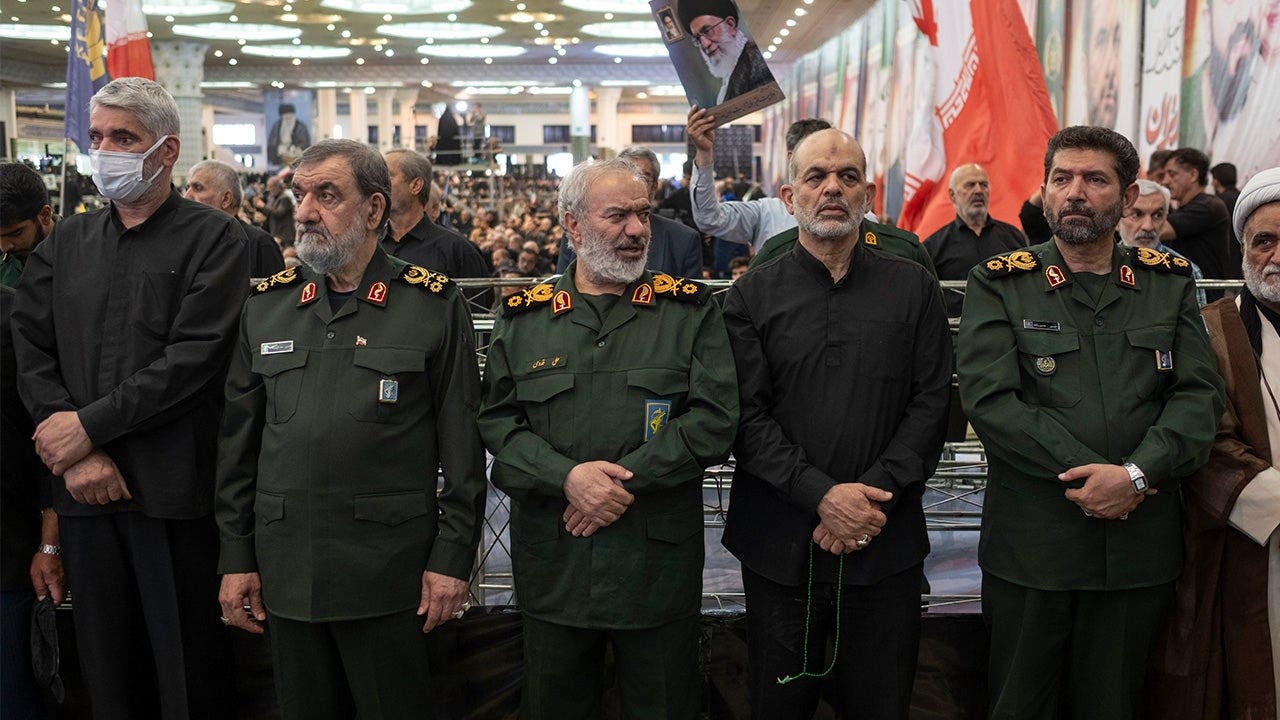
Trump’s Iran challenge is bigger than one bad negotiation or one tense headline. Tehran is being accused of using stalled nuclear talks, pressure at sea, and energy chaos to claw back leverage after battlefield losses, all while trying to shape the political mood in Washington. The core warning is simple: a weak deal now could turn a military setback into a diplomatic win for the regime.
For years, Middle East wars have followed a frustrating pattern. A force takes a hit, then shows up at the bargaining table acting as if the setback never happened. That is the trap being flagged here, because Iran is said to be mixing threats, delay, and posturing in order to survive politically even after taking serious damage.
Tehran’s public message and private behavior are not lining up. Officials speak the language of talks and de-escalation, but they also draw hard red lines, especially on enriched uranium and other sensitive parts of the nuclear program. That combination is not a sign of flexibility, it is a pressure campaign dressed up as diplomacy.
One of the sharpest concerns centers on the Strait of Hormuz. Any hint of instability there ripples through global shipping, insurance costs, and fuel prices almost instantly. Even without a formal blockade, the threat alone can rattle markets and squeeze consumers far from the Persian Gulf.
That is why the regime’s broader strategy matters so much. Military weakness does not stop a government from using proxies, propaganda, cyber tools, and maritime harassment to make life expensive for everyone else. When a regime cannot win straight up, it often tries to make the other side pay until patience runs out.
There is also a political timing game in play. The accusation is that Tehran wants to drag out negotiations long enough to sap Trump’s standing before the midterm elections, hoping rising gas prices and war fatigue do the job for it. That kind of move turns diplomacy into a weapon, not a path to peace.
The nuclear issue remains the biggest test of seriousness. Keeping enriched uranium while asking for sanctions relief and reduced pressure sends a clear message that the regime wants maximum leverage with minimum concessions. If the point is genuine de-escalation, then flexibility should show up where the danger is highest.
The concern is not only about centrifuges or stockpiles either. A deal that eases pressure too quickly could freeze the crisis instead of solving it, leaving the same threat in place for the next round. That is how bad agreements age badly, especially when verification is weak and enforcement is vague.
Another layer here is the regime’s use of fear beyond the region. Reports of unrest tied to Iranian or Russian influence in Europe, along with arrests connected to suspected intelligence activity, fit the same pattern of pressure and disruption. The warning is that Tehran’s reach does not stop at the Gulf, and pretending otherwise is a mistake.
There is a difference between ending active fighting and removing a threat for good. Damaged bases, destroyed hardware, and bruised forces do not automatically erase the command structure, the political will, or the appetite for rebuilding. If the regime gets breathing room, it has a habit of using it.
That is why any serious deal has to be more than a headline. It would need real monitoring, clear consequences for cheating, and limits that cannot be waved away the moment the ink is dry. Sanctions relief should come after measurable compliance, not as a gift wrapped in optimism.
Maritime security has to be part of the package too, because shipping lanes are not a side issue. If threats against tankers become a normal bargaining chip, then Tehran gets a veto over one of the world’s most important waterways. That would reward coercion and invite more of it.
There is also the question of the Iranian people, who are not the same thing as the ruling clique in Tehran. Years of repression, corruption, and reckless regional behavior have fallen hardest on ordinary Iranians. Any serious American policy has to keep that distinction in view instead of treating regime survival as the same thing as national stability.
The real test for Trump is whether the United States can pressure Iran without falling for its timing tricks. A regime under stress often reaches for one last advantage at the table after losing ground elsewhere. The smarter move is to make sure that losing on the battlefield does not become winning by negotiation.

1 Comment
HIT Iran hard now or risk legacy