
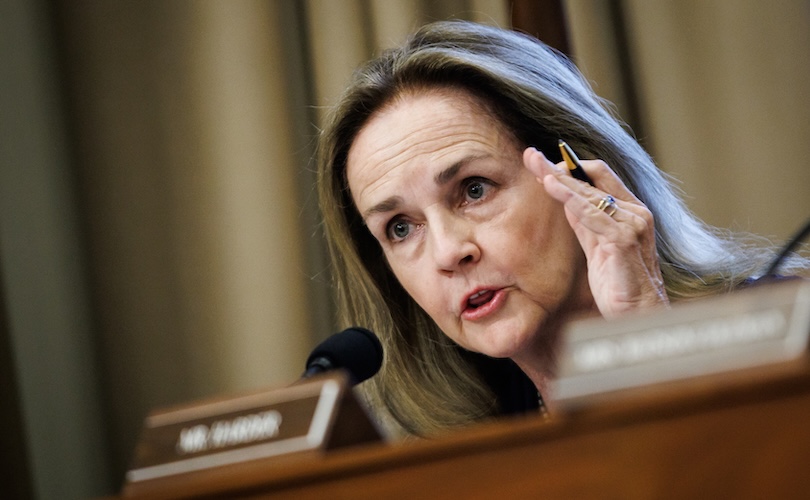
The headline fight is simple: was Rep. Madeleine Dean right to call concerns about the United Nations Population Fund misinformation, or is there a real link between UNFPA activities and abortion-related supplies? This piece lays out the core facts, highlights how the UNFPA procurement platform operates, and explains why many conservatives are alarmed. Expect a tight, direct look at the procurement claims and the practical consequences for policy and taxpayers.
Rep. Madeleine Dean suggested critics were spreading misinformation about the UNFPA, but the issue deserves a clear-eyed response. The UNFPA is billed as a global development and reproductive health agency, yet critics point out that its procurement channels have listed items tied to abortion care. That tension between public branding and on-the-ground procurement choices is at the heart of this debate, and it is worth parsing without spin.
At a basic level, a procurement platform is a tool for buying and delivering medical supplies. When those supply lists include abortion pills and devices used in manual procedures, it raises obvious questions about where the products end up and how they are used. For people who oppose abortion, the presence of those items on a UNFPA catalog is not academic; it is a real policy concern tied to funding and moral accountability.
Advocates for the UNFPA point to its stated mission of reducing maternal mortality and supporting family planning, and those goals are easy to applaud. But intent and implementation are different things. If procurement records show that pills and manual abortion devices were made available through UNFPA channels, then simple praise of the mission does not answer serious inquiries about product distribution and the ethical decisions behind those buys.
From a Republican perspective, government money and international channels must be transparent and restrained when it comes to life issues. Whether dollars flow directly from Congress or indirectly through partnerships, taxpayers deserve to know their money is not underwriting procedures they oppose. That is why scrutiny of procurement lists matters: it is not a crusade against healthcare, it is a demand for clarity and for policies that reflect voter priorities on life and medical ethics.
Oversight is practical, not theatrical. Asking for audits, clearer itemization of purchases, and proof of end use are reasonable steps that protect both donors and recipients. If UNFPA wants to preserve broad bipartisan support for maternal health programs, it should welcome documentation that shows funds and supplies are being used strictly for non-abortion services. Refusal or obfuscation fuels mistrust and gives politicians like Rep. Dean room to dismiss concerns rather than address them.
There are political consequences when elected officials brush off citizen worries as mere misinformation. A candid discussion about procurement, distribution, and the specific items listed on a platform moves the conversation from soundbite to substance. For those who believe in limited government and careful stewardship of taxpayer funds, this is an issue about responsibility and the proper limits of international organizations that operate with broad public support.
This debate will not disappear simply because one side labels the other dishonest. Concrete answers, better record keeping, and transparent policy choices are the way forward. Voters and policymakers who want to protect life while supporting real maternal health work deserve those answers, and demanding them is a practical, everyday application of public accountability.
