
The Republican majority faces a simple test: turn a clear electoral mandate on border security into real governing results. This piece looks at the reconciliation fight over enforcement funding, the internal fractures that threaten the effort, the larger stakes for GOP credibility, and the procedural arguments that could decide whether the party governs or just campaigns.
The immediate battle centers on whether Senate Republicans can push a reconciliation package that funds ICE, Customs and Border Protection, and the broader enforcement infrastructure. With razor-thin margins in Washington, every vote matters and every procedural move can sink a bill. Success depends less on intent and more on discipline and focus from Republican leaders and rank-and-file senators.
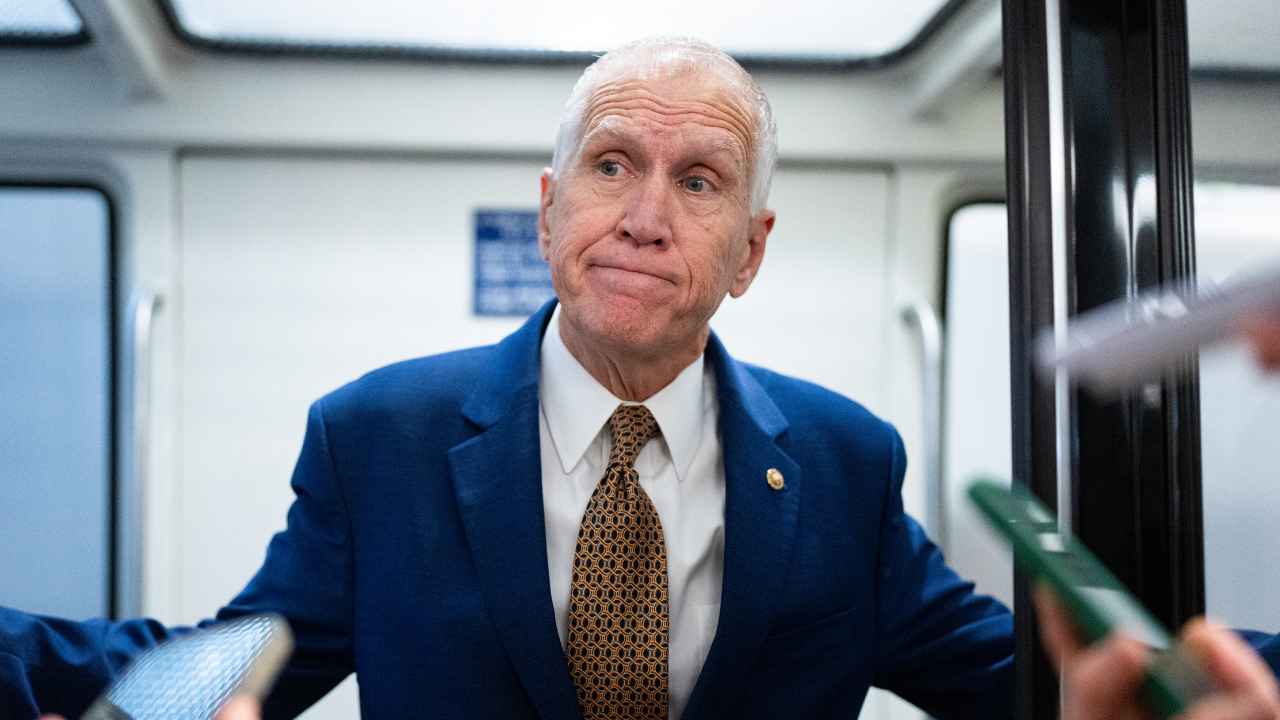
Senator Thom Tillis has publicly signaled he will oppose the package, and even the parliamentarian has already cut certain security provisions. Those developments are not minor glitches; they’re warning lights. If Republicans allow internal objections to multiply, the whole effort risks collapse at a moment when voters expect action.
This is a litmus test for conservative governance. Voters backed Republicans because they promised a secure border, stronger interior enforcement, and immediate steps to remove dangerous illegal aliens. Campaigning on problems is one thing; funding and staffing the agencies that fix them is the work that actually matters.
If the party fails to deliver enforcement funding, the political fallout will be severe and lasting. People will start to ask whether Republicans were better at pointing out the crisis than fixing it. That doubt damages the party’s credibility on every related issue, from public safety to drug interdiction.
The policies of the prior administration weakened deterrence, expanded parole and allowed mass entries that made communities less safe. Those are real grievances voters remember, and they explain why Republicans were handed control. But blaming the other side won’t win the next election; implementing solutions will.
A small group of dissenters can force the whole party to pay a price if negotiation turns into paralysis. Policy differences deserve debate, but not at the cost of gutting the enforcement package entirely. Passing the funding Republicans promised is nonnegotiable if the party wants to maintain its governing mandate.
Defending the filibuster as an absolute principle looks hollow when that rule blocks funding for border security. Democrats have shown they will abandon the filibuster for priorities they favor, so standing alone on procedural purity makes little strategic sense. Republicans should weigh whether a tactical concession is better than losing the very thing voters sent them to secure.
Voters are focused on outcomes: a controlled border, resources to remove dangerous individuals, and the manpower CBP needs to do its job. The reconciliation fight is more than politics; it’s a test of whether the GOP will act on its promises or let internal divisions turn power into performative rhetoric. Time is short, and the party’s credibility depends on whether it chooses results over excuses.
SENATE REPUBLICANS UNVEIL IMMIGRATION FUNDING PLAN WITH $140 BILLION PRICE TAG AS DIVISIONS SIMMER
REPUBLICAN ‘WAKE-UP CALL’: SPECIAL ELECTION SHOCKER HIGHLIGHTS GOP TURNOUT AND MIDTERM RISKS
