
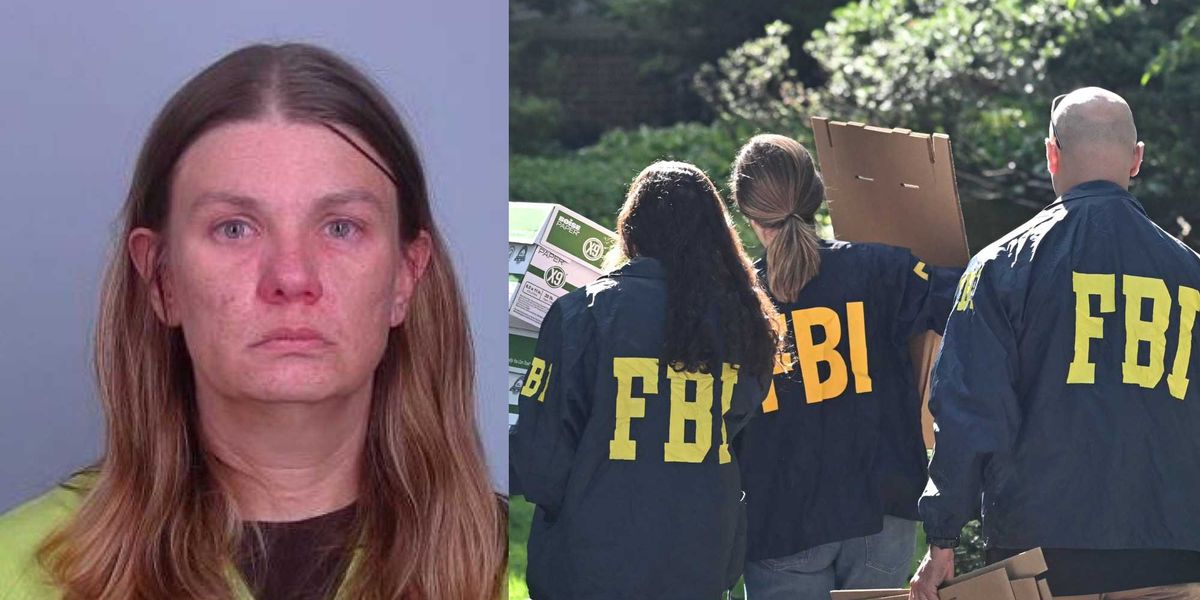
Aimee Bock, the founder of a nonprofit that took in hundreds of millions in pandemic relief, was convicted and handed nearly 42 years behind bars for orchestrating a sprawling fraud that shook Minnesota. The case exposed a tangled web of corruption, dozens of indictments and convictions, and fierce accusations that state leaders looked the other way while taxpayers were robbed. Republicans have been vocal, pointing fingers at local officials and a system that allowed this scheme to grow. The fallout forced political consequences and left many communities demanding real accountability.
The sentence landed hard: nearly 42 years for the woman prosecutors called the mastermind of a $242 million fraud. Aimee Bock was convicted on every charge she faced, including wire fraud, conspiracy and bribery, and the court left little doubt about the gravity of the crimes she schemed to commit. Courtroom moments were raw, with Bock breaking down and apologizing in a way that did not erase the scale of the damage. “I made mistakes, so many mistakes. If I could go back, I would do everything differently. I don’t have the words to express just how horrible I feel,” Bock said while crying to the court after receiving the sentence.
Federal prosecutors spelled out the reach of the scam: hundreds of millions of pandemic dollars funnelled through a nonprofit that promised child meals but instead enriched insiders and partners. Investigators said the operation was brazen, systematic and corrosive to public trust. In their filing they warned the “brazen and staggering nature of her crimes has shaken Minnesota to its core, leaving lasting damage and eroding public trust.” Those words echoed through a state already tense over stewardship of taxpayer funds.
U.S. District Judge Nancy Brasel did not mince words either. “This was a vortex of fraud, and you were at the epicenter.” That blunt assessment captured how officials now see Bock’s role: at the center of a scheme that pulled in money, influence and multiple accomplices. The legal fallout is extensive, with more than 70 indictments and roughly 60 convictions tied to the broader investigation, showing this was not the work of a single actor but a network with wide reach.
The scandal has also become political, as Republicans accused state leaders of allowing the scheme to grow. Critics argue that warning signs were ignored and that local officials could have acted sooner to stop the bleeding. Those accusations intensified pressure on elected officials and stirred a larger conversation about oversight, grant vetting and the protections taxpayers need when money is moved in emergency programs.
Governor Tim Walz faced intense scrutiny as the mess unfolded, and the political heat played a part in his decision not to pursue another term. State Republicans argued that leadership failures and an unwillingness to confront the problem allowed bad actors to exploit federal relief programs. The finger-pointing reached national figures and highlighted how quickly local scandals can become leverage in broader political fights.
Some GOP lawmakers also zeroed in on influential members of Minnesota’s delegation, alleging connections and failures to hold people accountable. State Rep. Kristin Robbins publicly called out Representative Ilhan Omar, saying she dodged committee requests and refused to answer tough questions about legislation linked to the circumstances that enabled the fraud. “Democrat Ilhan Omar has shown her disdain for the taxpayers. She believes she’s above answering for her role in the Feeding Our Future fraud,” Robbins wrote at the time.
The case triggered federal enforcement actions across the state, with raids and search warrants that authorities said were the result of long investigations. FBI officials made clear they led the operation, and one senior former official pushed back hard on state claims of credit. “Come again? This FBI and DOJ with our DHS partners drafted and executed every search warrant today,” Patel wrote on social media. “But go ahead and take credit for our work while we smoke out the fraud plaguing Minnesota under your governorship.”
Beyond the headlines and the politics, the human cost is real: funds meant to feed children were diverted, trust in charities eroded, and communities were left sorting through the wreckage. Many of those indicted and convicted came from tight-knit communities, and the fallout has sparked painful conversations about oversight and exploitation. The investigation insists on a tough lesson: emergency funding must be paired with rigorous checks to prevent the next feeding frenzy of fraud.
