
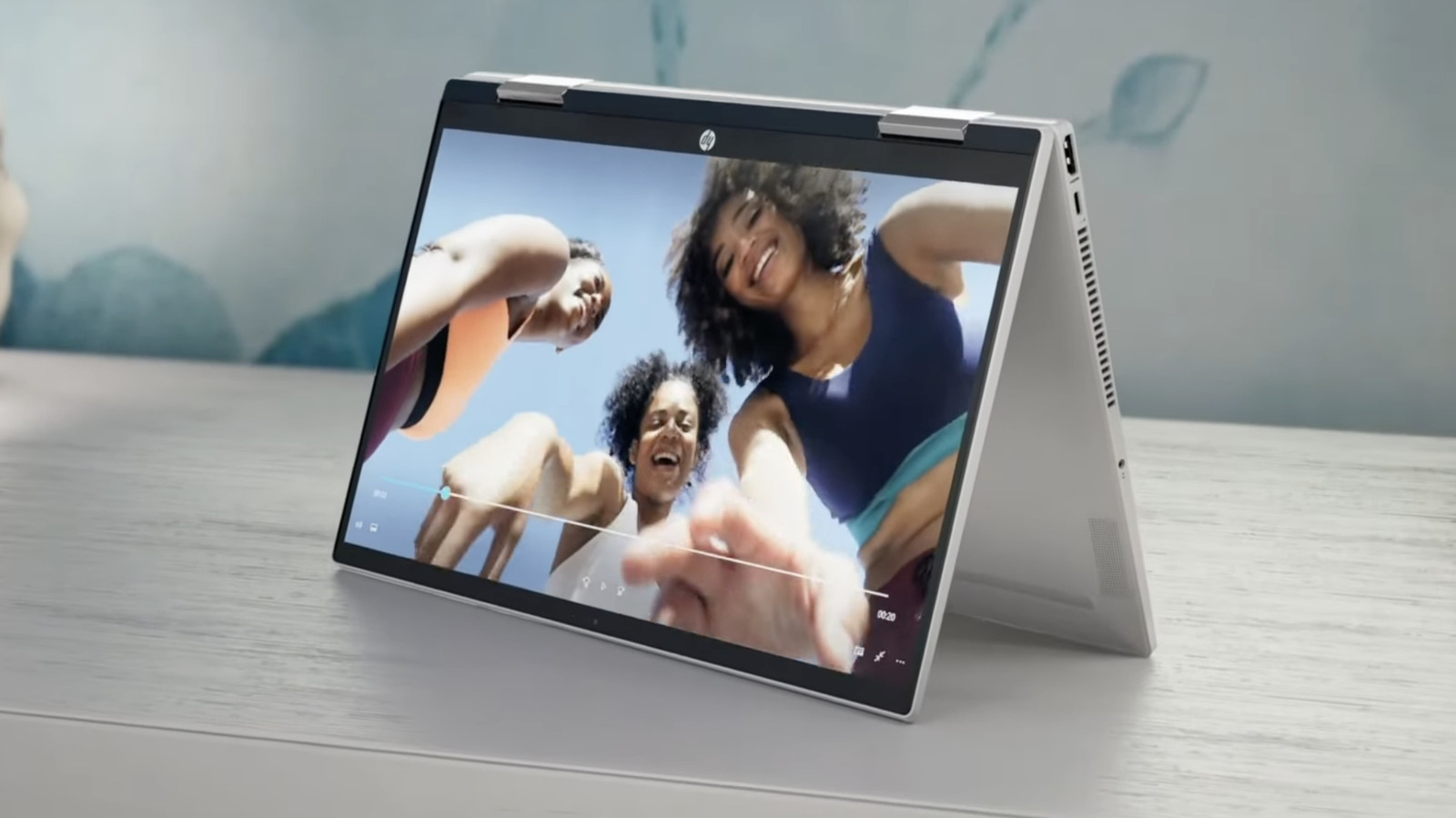
2-in-1 laptops promised a neat fusion of tablet convenience and laptop productivity, but reality delivered a lot of compromise. This piece walks through why 2-in-1 laptops mostly became entry-level bargains, what technical and software limits held them back, where they still make sense, and what the future might actually look like for hybrid devices.
The very promise of a single device that flips between a slate and clamshell is seductive, but packing both into one chassis creates immediate physical tradeoffs. Engineers must balance hinge durability against thinness, cooling against noise, and battery size against weight. Those compromises often push manufacturers toward less powerful processors, smaller batteries, and cheaper materials to hit consumer price points.
Performance is a key friction point. Traditional laptops can use laptop-class CPUs with sustained power and thermals designed for heavy tasks, while tablets prioritize slim designs and low-power chips. 2-in-1 designs end up somewhere between, so they rarely match full laptops for sustained workloads or rival tablets for effortless instant-on responsiveness. For many buyers that middle ground turns into a practical limitation rather than a versatile advantage.
Touchscreens and styluses are a major selling point, but software ecosystems have not consistently delivered on the promise. Desktop operating systems were built for keyboard and mouse, and touch interactions often feel bolted on. That gap makes the tablet mode less satisfying for everyday use and pushes people back to laptop mode, undermining the core idea of an equally useful second mode.
Cost and market positioning muddied the message further. High-end 2-in-1s that tried to be both thin and powerful ended up expensive, narrowing their audience to niche buyers. Meanwhile, a flood of low-cost convertibles focused on price over capability, cementing a reputation for being budget alternatives. That split kept mainstream buyers from seeing 2-in-1s as a natural upgrade to a traditional laptop.
Design challenges also affect reliability and longevity. Moving parts like robust 360-degree hinges add complexity and failure points, while trying to keep a thin profile limits how much heat can be dissipated. Repairability drops when components are glued or soldered to meet slim-out requirements. For people who want a dependable daily machine, those risks weigh heavily against the flexibility argument.
There are pockets where 2-in-1s genuinely shine, especially for specific workflows. Creatives who rely on a pen for sketching, students who need a tablet for note taking, and road warriors who value a single device for flights and meetings can get real value. But those users are a minority; for the average buyer the benefits rarely justify the tradeoffs compared with a standard laptop or a dedicated tablet plus a cheap laptop.
Manufacturers reacted by splitting the market. Some focused on premium detachable tablets that target pros and creatives, leaving the convertible space to OEMs chasing low-cost, mass-market buyers. That left convertibles stuck in a price-performance rut, reinforcing the idea that 2-in-1s are either pricey niche tools or budget compromises rather than broad replacements for either category.
Looking ahead, the technology that could change the equation is still in development. Better low-power chips, improved hinge engineering, and more touch-friendly apps could make hybrids more compelling. Foldable screens and modular approaches are also being explored, but those come with their own cost and reliability concerns. Until software and hardware align without forcing hard tradeoffs, 2-in-1 laptops will likely stay a specialist choice rather than the mainstream default.
