
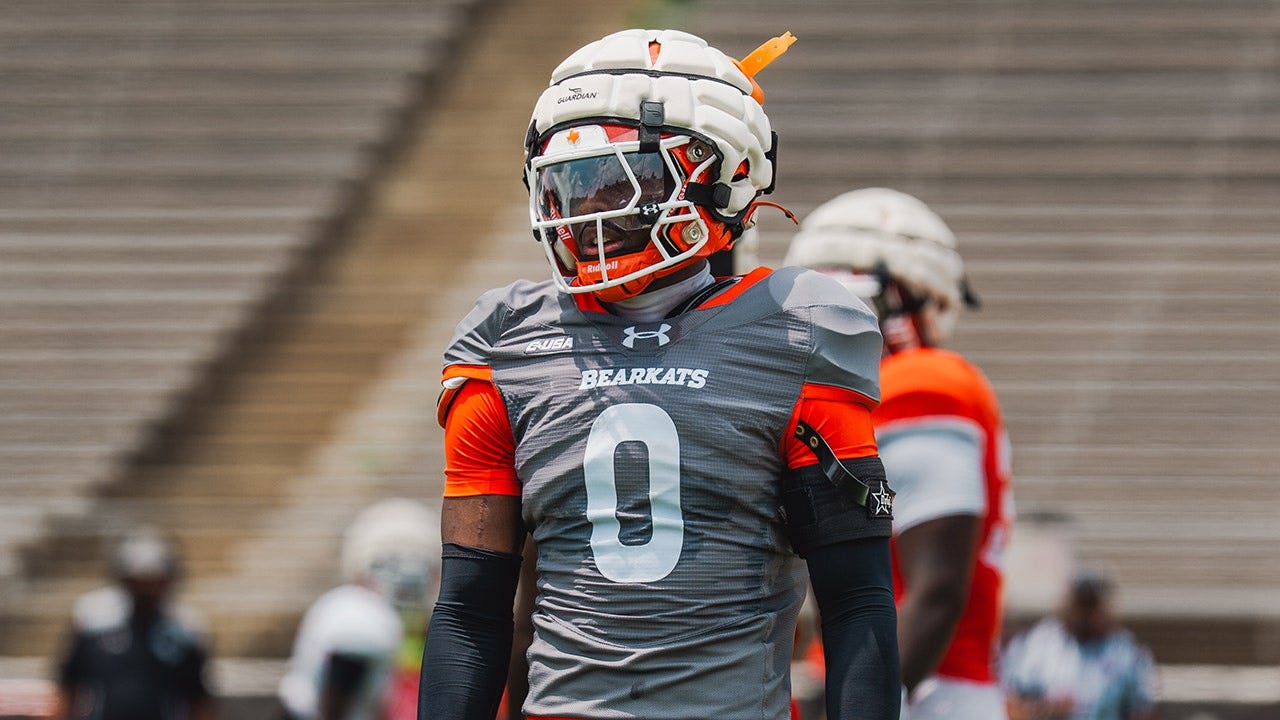
William Davis, a college football player who moved to Sam Houston State after time at West Virginia, has died after sustaining a gunshot wound to the chest, a loss that has stunned teammates, coaches, and a campus community still trying to make sense of what happened.
The news landed like a punch: William Davis, once on the roster at West Virginia and later at Sam Houston State, reportedly died of a gunshot wound to the chest. Students and staff responded with disbelief, and the athletic program moved quickly to offer support while officials opened an investigation. No official timeline of events has been released beyond those basic facts, and uncertainty is the immediate companion to grief.
Davis’s move from West Virginia to Sam Houston State had been part of his path as a young athlete trying to find the right fit on and off the field. Transfers are common in college sports as players chase opportunity, growth, and playing time. That routine career change makes the suddenness of his death feel all the more jarring for people who knew him as a teammate and a competitor.
At a time when teams are more than rosters, the news has rippled through locker rooms and classrooms alike. Coaches emphasized caring for players in the immediate aftermath, providing counseling resources and moments to gather. Teammates described an eerie mix of shock and the responsibility to support each other, balancing grief with obligations to finish the season and honor their fallen colleague.
University statements so far have been cautious, noting only that local authorities are involved and investigations are underway. Institutions routinely avoid releasing detailed information until facts are verified, which leaves families and friends in a painful holding pattern. Meanwhile, campus groups are organizing memorials and vigils to create space for collective mourning and remembrance.
Conversations about campus safety inevitably returned to the surface after the report of a gunshot wound to the chest. Administrators face pressure to explain what measures are in place and whether more can be done to prevent tragic incidents. Many students and parents want clarity about how the university will respond beyond the immediate crisis, asking for concrete steps and transparent communication.
For the football program, the focus is both human and practical: caring for players while also handling the logistical reality of competitions, schedules, and recruiting. Coaches say they will lean on team leaders and counselors to help players process the event. The balance between mourning and maintaining routine is never easy, but supportive structures can make a real difference.
Friends and classmates have shared memories of Davis as someone who showed up for practices and for the people around him, offering a reminder that athletes are more than their stat lines. Those personal recollections help paint a fuller picture of who he was and why his loss matters beyond headlines. Small moments—locker-room jokes, late-night study sessions, sideline encouragement—are the kinds of details that stick with people.
Law enforcement professionals have not released a complete account of what transpired, and that lack of public detail fuels speculation. Community leaders urged patience and respect for the investigative process, even as they acknowledged the raw emotions involved. Accurate information will need to come through formal channels to avoid misleading conclusions and to protect the integrity of any ongoing inquiry.
As campus life continues, memorials and support services become focal points for healing. Mental health counselors and chaplains are often involved in helping students and staff navigate grief. Those resources play an essential role in providing private spaces to talk, reflect, and begin the slow work of recovery that follows sudden loss.
The wider college sports community has a history of rallying after tragedy, with rival teams, alumni, and fans offering condolences. In the short term, that solidarity often takes the form of moments of silence, charitable donations, or coordinated tributes. Over time, communities look for ways to honor those who are gone while also addressing any larger issues the incident may have highlighted.
For now, the facts reported are stark and limited: William Davis, who transferred to Sam Houston State after playing at West Virginia, reportedly died of a gunshot wound to the chest. As more information becomes available, the focus will remain on supporting those closest to him and ensuring the investigation proceeds with care and clarity. The community that knew him will carry on his memory in ceremonies and everyday remembrances as they seek closure amid unanswered questions.
