
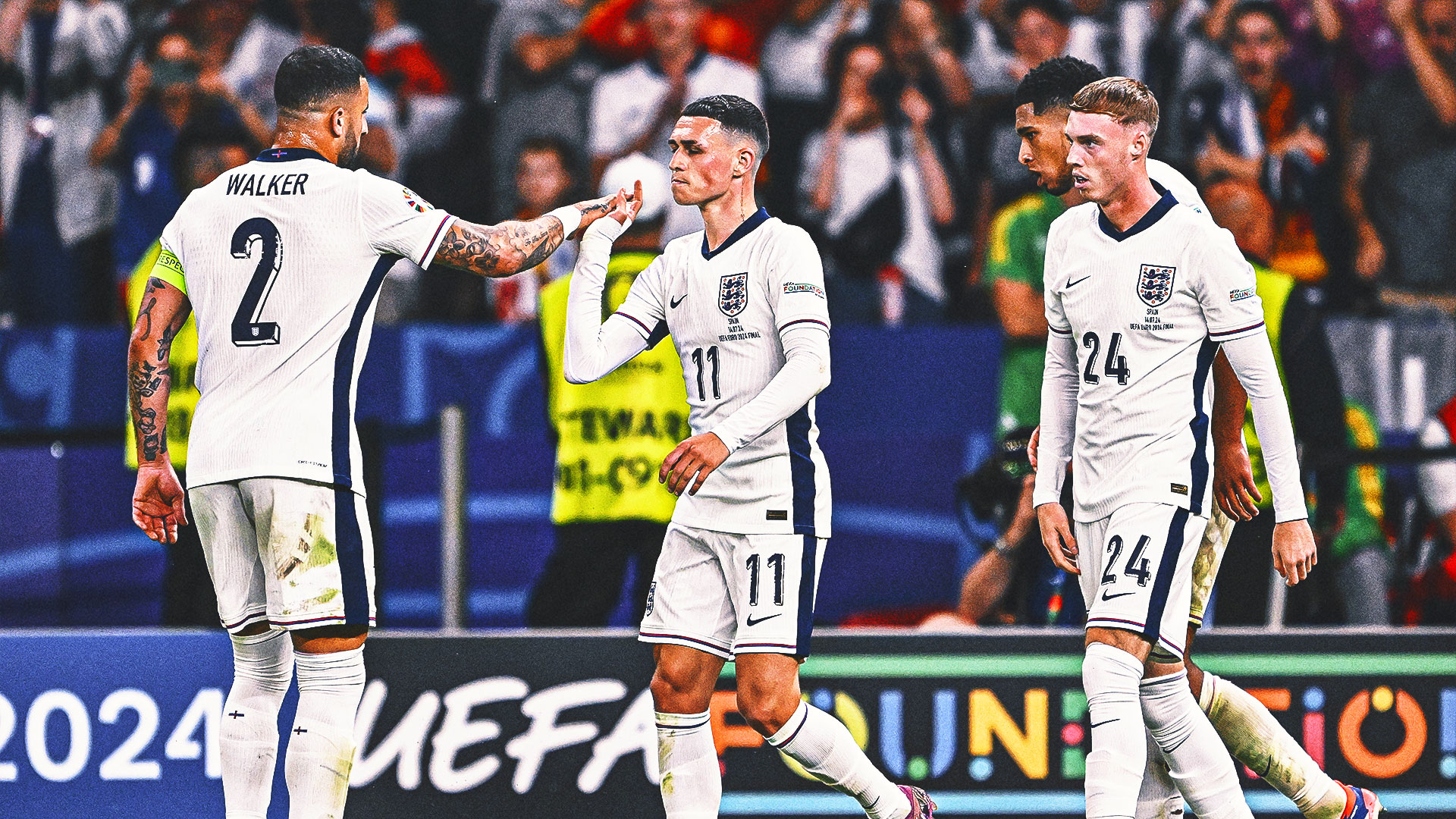
Thomas Tuchel’s choice to omit Phil Foden, Cole Palmer, and a “shocked and gutted” Harry Maguire from England’s final 26-man World Cup squad landed like a thunderclap across the football world, forcing fans and pundits to rework expectations overnight. The decision has opened debates about selection logic, form versus fit, and who truly shapes a national team at the biggest tournament. Here’s a clear look at what happened, why it matters, and what could follow for the players and squad dynamics.
For supporters, the immediate reaction was disbelief. Names that had become regular fixtures in conversations about England’s attacking creativity and defensive spine were suddenly absent, and social feeds filled with stunned reactions, tactical hot takes, and urgent calls for explanations from the coaching staff. That emotional shock has a practical side: World Cup rosters are finite, and every omission signals a particular vision of how matches should be won.
Tuchel’s reputation for tactical boldness and willingness to make unpopular calls helps explain the move, even if it feels counterintuitive at first glance. Managers who prioritize specific systems will pare their squads to mirror that system, sometimes at the expense of proven individual quality. Those choices can look brilliant if the plan unfolds, or reckless if the tournament goes sideways, so the stakes for leaving big names at home are enormous.
Phil Foden’s omission is the headline many will obsess over, because his blend of close control, pace, and goal threat seems tailor-made for tournament football. But selections are rarely about raw ability alone; they are about positional balance, defensive responsibility, and how a player fits into a coherent eleven. If the manager judged the squad needed different attributes from the forwards, Foden’s club-level brilliance might not have been enough to secure a spot.
Cole Palmer represents the new wave: lively, inventive, and hungry to make an international name for himself. Young players risk more when they’re compared to established stars, and managers sometimes prefer players with longer international résumés or those whose club roles mirror the national setup. Palmer’s exclusion raises questions about trust, tactical alignment, and whether the manager favors experience over potential in tournament settings.
Then there’s Harry Maguire, who left the squad described as “shocked and gutted” — a phrase that captures the human side of selection pain. Veterans carry heavy expectations and a public profile that magnifies their every omission, and a defensive decision can shift the tone of a team’s tournament entirely. Leaving a known quantity out hints at a shift in defensive thinking, whether that’s favoring quicker defenders, different ball-playing skills, or simply a younger, fresher set of legs.
The ripple effects will be immediate in the locker room and the stands. Squad chemistry is fragile; players who were counting on certain teammates for leadership or on-field relationships must rework roles on short notice. Public confidence can wobble too, as fans and media replay moments and demand clarity, turning selection into a narrative that often overshadows match preparation for a precious 48 hours or more.
Looking ahead, the practical questions are how the selected players will adapt and how those omitted will respond. Injuries, form swings, and tactical twists during the tournament can change the conversation, and managers who make bold calls sometimes get the last laugh when their gambles pay off. For the players left out, the path forward is clear: prove the decision wrong with performances at club level and wait for the next chance, because football has a habit of offering second acts.
