
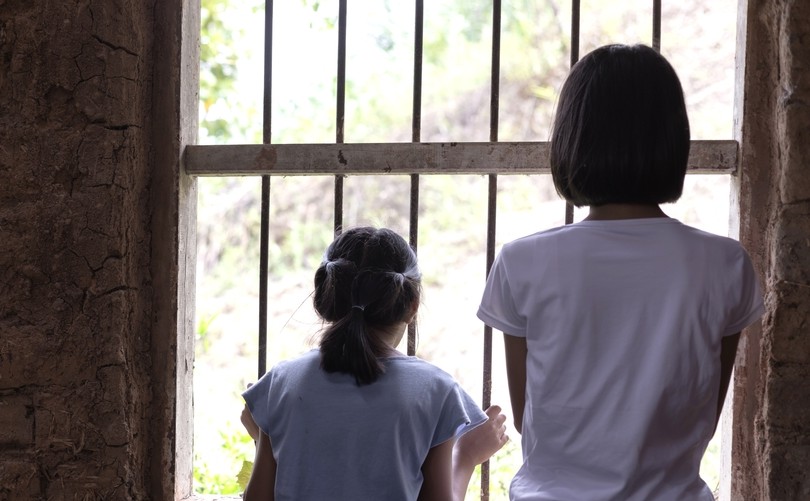
The new UK grooming gangs report lands like a hammer blow, spelling out years of abuse, denial, and institutional failure that let children down again and again. It centers on survivor testimony, the scale of the crimes, and the ugly reality that police, councils, schools, and media all too often looked away.
In 2025, Rupert Lowe launched an independent, survivor-led inquiry to dig into how child sexual exploitation was handled across the country. Backed by public crowdfunding from more than 20,000 people, the effort produced a 219-page report built on hearings with survivors, whistleblowers, experts, and investigators. The result is a grim picture of organized abuse that stretched across decades and left thousands of girls exposed to violence, trafficking, and coercion.
The report argues that the scandal was not some isolated cluster of crimes in one town or one era. It says the abuse reached at least 149 councils and affected every corner of the country, with at least 250,000 girls harmed and the real total likely higher. That is the kind of number that should have shaken the whole system years ago, yet public institutions repeatedly failed to act with urgency or honesty.
Much of the outrage comes from how long this went on after warning signs were already known. The 2014 Jay Report had already shown that 1,400 children were sexually abused in Rotherham alone between 1997 and 2013, but the broader pattern still was not confronted with the seriousness it demanded. The new report says the response was crippled by fear, complacency, and a reflex to avoid hard truths.
That fear, according to the inquiry, showed up everywhere. Local officials, police, and other agencies worried about being labeled racist or accused of stirring tension, so they hesitated, delayed, or simply stayed quiet. The report calls that a catastrophic failure, and it places a heavy share of blame on the people and institutions that were supposed to protect children first and ask questions later.
Survivor testimony brings the horror into focus in a way statistics never can. Girls described being given alcohol, drugs, and cigarettes, then picked up from school gates, care homes, and streets before being moved between houses, flats, hotels, and other locations. Many said they were raped repeatedly, filmed, blackmailed, humiliated, and treated as disposable.
https://x.com/elonmusk/status/1874664089894695221?s=43
The report also says the abuse was often tied to racial and religious degradation. Victims recalled being called names like “white trash” and “kuffar,” while some described being told they were worthless or abandoned by God. One survivor said, “Before they raped me, they would chant ‘Bismillah Hir Rahman Nir Rahim.’” Another said, “I had friends that were Muslim, girlfriends, and this never happened to them. They would be in the cars with us sometimes, but the men would treat them differently.”
That detail matters because the inquiry argues the crimes were organized, not random. It says the networks involved multiple offenders, transportation between towns, and deliberate tactics built around control, shame, and intimidation. In some cases, the abuse allegedly stretched into pregnancy, forced abortions, trafficking, and lifelong trauma that never really ends for the women and girls who lived through it.
One of the most damning points in the report is that the public had to pay for the truth to come out. Instead of institutions doing their job, ordinary citizens crowdfunded an investigation into one of the country’s deepest moral failures. That alone tells you how badly the official system had broken down, and how little confidence people had left in the people paid to protect the vulnerable.
The report does not stop at outrage. It pushes for tougher sentencing, mandatory deportation for foreign nationals convicted of these crimes, a dedicated prosecution unit, and a new law targeting organized group-based child sexual exploitation. It also calls for better data, stronger accountability for institutions that enabled abuse, and clear penalties for officials who minimized or excused what was happening.
There is also a broader warning running through the inquiry: if a society keeps choosing comfort over courage, predators will keep finding room to operate. The report says political correctness and fear of backlash were allowed to outrank child protection, and that is exactly the kind of failure that corrodes trust from the inside out. Survivors lived with the consequences, while too many powerful people settled for silence.
Even now, the political and media response remains part of the story. The report’s authors want names exposed, witness statements published, and prosecutions pursued where the evidence supports them. That pressure is still building, and the longer the country hesitates, the louder the question becomes about who knew what, when they knew it, and why so many children were left to fight alone.
