
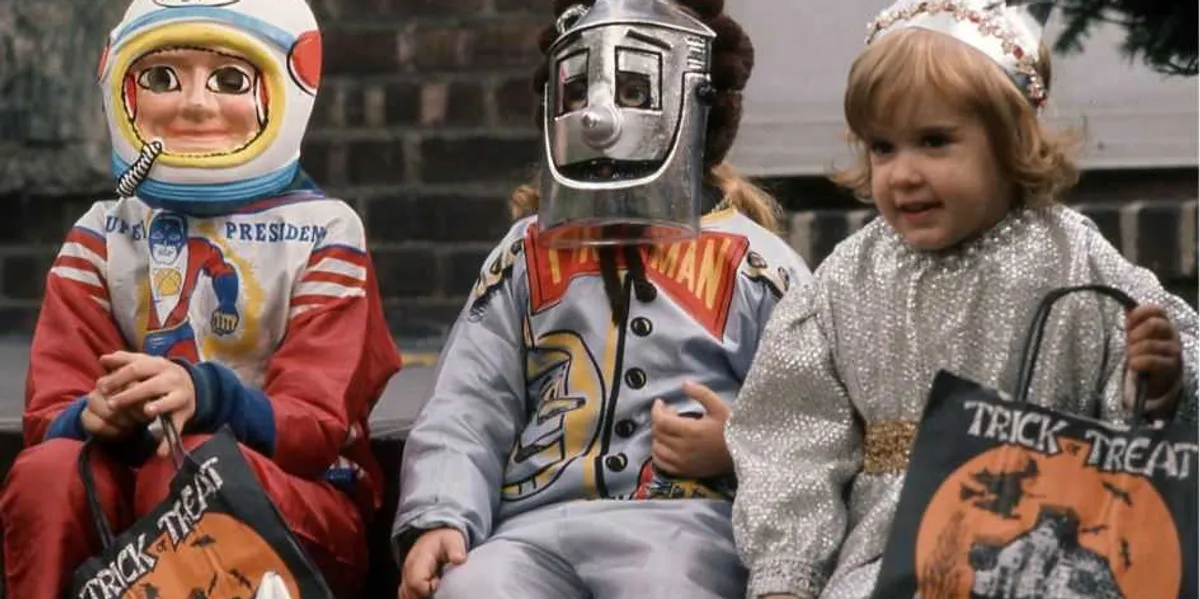
Halloween tends to stir up the same old argument every year, and the sharpest version of it comes from Christians who see the holiday as a doorway to darkness. Others push back hard, saying the fear has gone way beyond what the day actually represents. The tension sits right at the intersection of faith, culture, childhood fun, and the way people interpret symbols.
For some believers, the concern is spiritual rather than playful. They point to themes like costumes, death imagery, and the holiday’s roots in older seasonal festivals, then connect those dots to the idea of demonic influence. That view has real staying power because it taps into a broader Christian belief that not every cultural tradition is harmless just because it is popular.
But plenty of Christians see the situation differently, and they are not shy about saying so. To them, Halloween is mostly a social event built around costumes, candy, neighborhood interaction, and a little harmless mischief. They argue that turning every skeleton decoration into a spiritual emergency can blur the line between genuine discernment and plain old overreaction.
That divide is where the debate gets messy. One side talks about spiritual warfare, deliverance ministry, and guarding the home from anything that hints at occult influence. The other side says the bigger danger is not a plastic pumpkin or a child in a superhero mask, but the habit of attributing evil to ordinary things without much evidence.
The conversation also gets tangled up in history. Halloween’s older associations with All Hallow’s Eve, All Saints’ Day, and pre-Christian seasonal customs give critics plenty of material to work with. Still, historical roots do not automatically define how every modern family experiences the holiday, especially when trick-or-treating and costume parties are what most people actually know.
That gap between history and everyday life explains why the subject keeps coming back. A family that avoids the holiday entirely may be reacting to sincere convictions about holiness and separation from darkness. Another family may see the same night as a chance to enjoy neighbors, hand out candy, and let kids dress up without dragging religion into every decoration on the block.
There is also a bigger cultural question under all of it: how much power should symbols really have? For people who are deeply cautious about spiritual matters, symbols matter a lot because they believe habits shape hearts. For others, a black cat or a jack-o’-lantern is just a seasonal image, stripped of the heavy meaning critics place on it.
That difference in outlook is why the tone of the debate can get so heated so fast. Some Christians worry that dismissing the darker side of Halloween makes believers careless about spiritual danger. Others worry that exaggerating the threat turns faith into fear and hands too much power to things that should be treated as background noise.
What makes the discussion stick is that both sides are trying to protect something they care about. One side wants spiritual vigilance, moral clarity, and a clean break from anything suspicious. The other wants proportion, common sense, and the freedom to recognize that not every spooky image carries hidden meaning.
In the end, Halloween keeps forcing a broader question onto the table: when does caution become wisdom, and when does it become panic? That question lingers every October, right alongside the candy bowls, costume racks, and front porch lights. And for a lot of families, the answer depends less on the holiday itself than on how they choose to live with it.
