
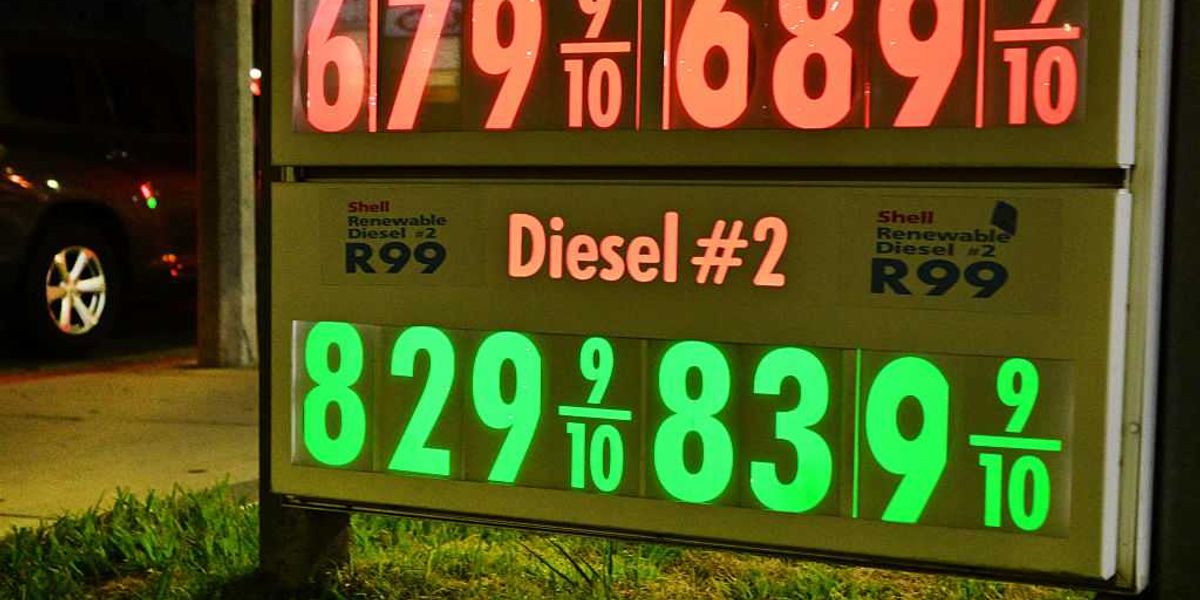
Diesel has a way of turning into a political headache fast, especially when prices jump and people start looking for someone to blame. The temptation to slap down an export ban can feel like a quick fix, but that kind of move can ripple through refineries, shipping, farmers, truckers, and everyday drivers in ways that are hard to undo.
There is a reason fuel markets react so sharply to headlines. Diesel is not just another product at the pump, since it powers freight, agriculture, construction, and a huge chunk of the machinery that keeps the country moving. When policymakers talk about restricting exports, they are not just touching one price point, they are poking at the entire supply chain.
The problem with an export ban is that it can sound tough while doing real damage underneath. Gulf Coast refineries operate in a global market, and they make investment decisions based on stability, demand, and the ability to sell products where they are needed most. If those signals get scrambled, the result can be less output, weaker margins, and a market that gets even tighter instead of calmer.
Supporters of intervention usually point to relief at home, especially when diesel prices climb and voters start fuming. That frustration is real, and it hits hardest in places where transportation costs are unavoidable, like the Midwest and farm country. Still, a short-term political win can become a longer-term economic loss if the policy undercuts production and discourages the very fuel flow that keeps shelves stocked and deliveries on time.
Energy policy rarely stays neatly contained. What looks like a domestic fix can spill into global markets, and once that happens, American producers are no longer operating on a level field. Refiners may cut back, traders may react, and allies who depend on U.S. fuel can start looking elsewhere, which weakens leverage and makes the market even more unpredictable.
That is why the export-ban idea keeps running into the same wall. It tries to force down one price by choking off the system that supplies it, and that usually ends up squeezing the wrong people first. Consumers want relief, but they also need a market that keeps product moving efficiently, because scarcity does not magically turn into affordability just because Washington says so.
Republicans have a straightforward case to make here: more production, more refinement, and fewer gimmicks. The country does not get stronger by punishing the industries that actually produce energy, and it does not help working families to create bottlenecks that push costs around instead of bringing them down. The better answer is to keep supply strong and let American energy compete without handcuffs.
Diesel matters because it is tied to real life, not abstract talking points. A hit to fuel availability can show up in food prices, shipping delays, farm costs, and business expenses long before most people notice the policy debate that caused it. That is exactly why quick political fixes often come with a hidden bill attached, and why the pressure to look decisive can be more dangerous than it first appears.
There is also the broader signal such a move sends. If the government is willing to meddle every time prices get uncomfortable, investors start thinking twice, and the next wave of capital may go somewhere more predictable. Markets hate mixed messages, and energy markets hate them even more because the stakes are measured in barrels, budgets, and the daily grind of keeping America supplied.
The smartest path is the least flashy one. Keep refineries running, keep production growing, and avoid policies that punish success just because the numbers are politically inconvenient this week. Diesel prices may be annoying, but making the supply chain wobble to soothe that annoyance could leave the whole system worse off, with the bill landing right back on American consumers.
