
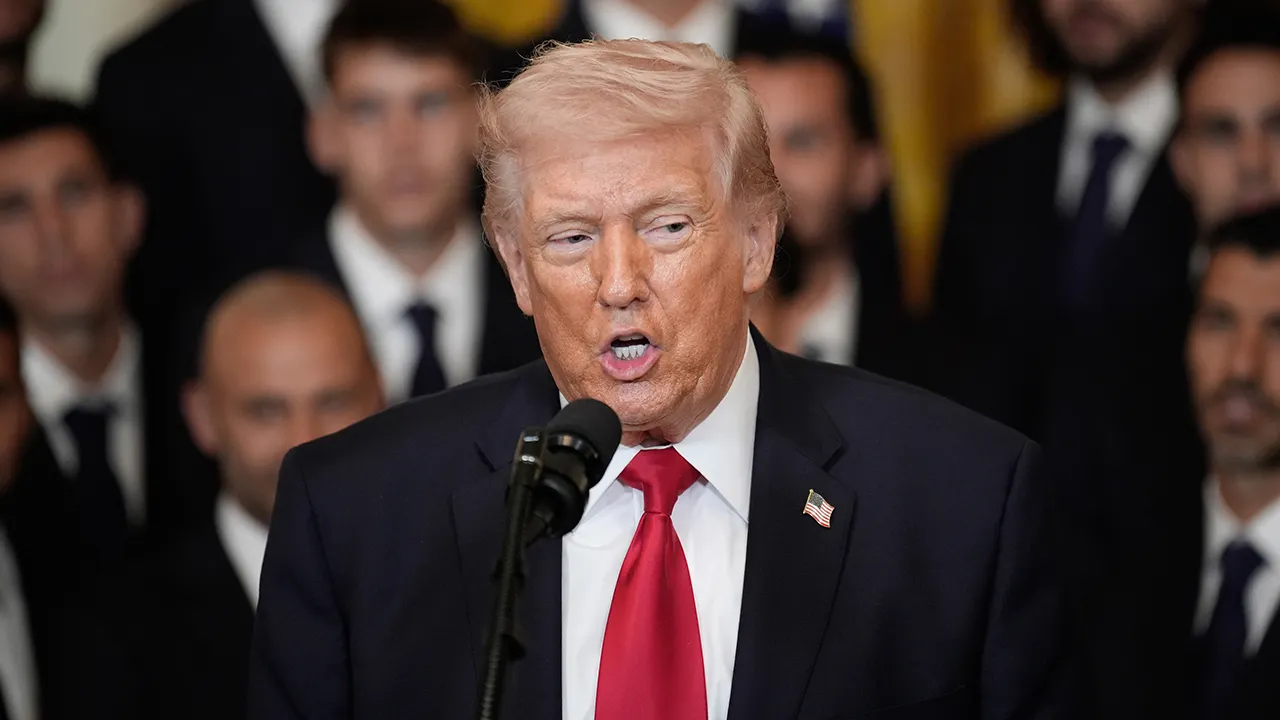
President Donald Trump used Inter Miami CF’s White House visit to fire a blunt critique at Major League Baseball, arguing the sport has lost heat and leadership has made questionable choices. He pointed to shifting fan interest, management decisions, and cultural changes as reasons baseball no longer occupies the center of American sports conversation.
Trump’s comments landed during a high-profile moment for soccer’s rising U.S. presence, and he did not hold back when turning the spotlight on baseball. He said baseball “isn’t as hot as it used to be,” and accused the league of doing “things wrong” that have undercut its relevance. From a Republican perspective, this is a callout of bad management and a plea for a return to common-sense stewardship.
Attendance and TV ratings are easy targets for critics, and Trump used them to illustrate a broader point about public interest. When hearts and wallets drift away, leaders in the sport should take a hard look at strategy instead of blaming external factors. Fans notice when traditions are altered without clear benefit, and many feel the game’s soul has been tinkered with at the expense of engagement.
Baseball’s slow pace changes, nullified traditions, and complicated rule experiments all get mentioned in conversations about decline. Republicans often frame this as an issue of leadership failing to respect the product that made the league great. The argument is simple: fix what worked before, and be careful with changes that alienate the faithful base.
Another angle Trump raises is the cultural pivot in big leagues away from the crowd and toward image politics, which some see as driving fans to other entertainment. Conservatives argue sports should remain a neutral stage for competition, not a platform for social engineering. When the fan base senses that priorities have shifted, engagement and loyalty can erode quickly.
Youth participation and grassroots development are practical concerns that tie directly to a sport’s future. If young players and their families feel unwelcome or confused by mixed messages, they look elsewhere for structured, values-based activity. Trump’s critique hints at restoring pathways that emphasize fundamentals, community, and clear rules that parents and kids can rally behind.
Marketing matters as much as the game itself, and baseball has to fight for visibility in a crowded entertainment market. Republicans push for promoting the sport’s unique strengths—its history, strategic nuance, and connection to American life—rather than chasing trends that dilute its identity. Smart promotion can turn lapsed fans back into regulars and attract new ones who appreciate the game’s depth.
There is also a business argument in favor of accountability at the top levels of sports organizations. Ownership and commissioner offices answer to fans and to the bottom line, and when missteps stack up, change should follow. From a conservative view, market discipline and leadership that listens to long-term supporters will restore momentum faster than slogans or temporary fixes.
Trump’s blunt critique serves as a reminder that public figures still shape the conversation about national pastimes. When a president weighs in, leagues feel the pressure to respond or adapt, and that can be healthy if it forces honest assessments. Republican commentary tends to favor reforms that respect tradition while embracing clear, fan-forward innovation.
Ultimately, the debate about baseball’s standing is about choices: which traditions to preserve, which rules truly improve the product, and how to balance cultural relevance with widespread appeal. Trump’s remarks during the Inter Miami CF White House visit are part of that broader national discussion, pushing for solutions grounded in common sense and respect for the game.
