
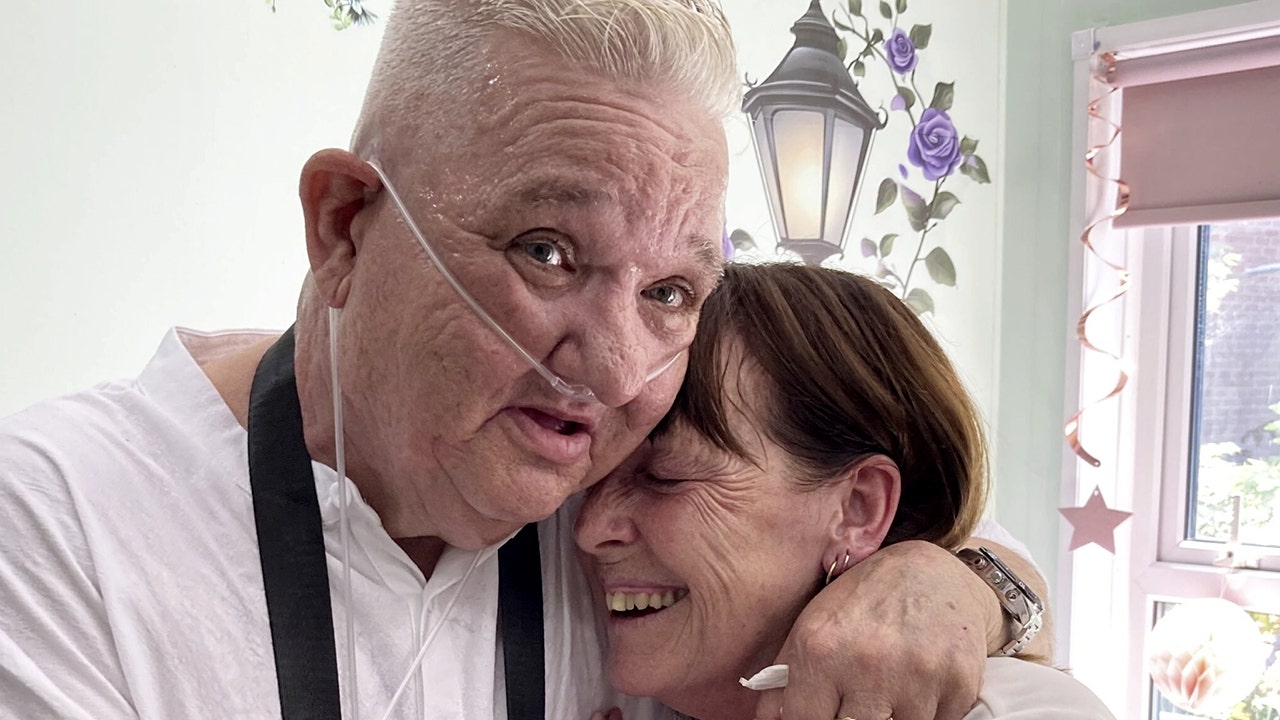
After decades together and years of putting family first, Dean Pennell and Kay Beaman finally married at Colchester Hospital on June 18, 2026, when a terminal diagnosis made time suddenly urgent. Hospital staff scrambled to arrange the ceremony in under a week so the couple could exchange vows surrounded by their blended family and close friends.
Dean, 63, and Kay, 62, met through their children about 24 years ago in Basildon, Essex, and built a life that always put family needs ahead of wishes for a formal wedding. Both brought children into the relationship and raised a large blended household, which shaped their choices for decades. That practical mindset meant celebrations could wait while bills were paid and priorities were set.
With 10 children between them and a host of grandchildren, the pair postponed formal plans repeatedly to keep the family secure. Kay later explained their financial reality plainly: “Dean proposed when we first got together — but with 10 children between us, money would not allow.” They had been planning a proper wedding this year until circumstances forced their hand.
When Dean received a terminal cancer diagnosis and was told he had just weeks to live, the timeline for that long-awaited ceremony changed overnight. The couple decided to bring the wedding forward and choose the hospital as the only place Dean could realistically say his vows. On June 18 the wards at Colchester became a place for vows, flowers and family photos instead of routine rounds and paperwork.
“I am absolutely elated. We have waited a long time, and it’s so special to be able to celebrate our marriage here, with our families.” Those words from Kay captured what the day meant: joy threaded through urgency. Family and friends filled the room, including all 10 children and many of the couple’s 18 grandchildren, turning a clinical space into a living room of support and celebration.
The wedding was organized in less than a week, with nursing teams, ward managers and coordinators pulling together logistics, seating and a sense of ceremony. Staff described pitching in wherever needed, adjusting schedules and lending hands so the couple could have a meaningful day without the usual wedding fuss. The trust later presented Dean and Kay with a commemorative clock showing the exact time they said “I do.”
“It was very hard for Dean. He had been so excited in the lead-up to the wedding, and I would get a phone call from him at the hospital every morning telling me how many days there were to go until the wedding.” That honest, everyday detail gave the day real weight: excitement amid fragility, counting down to a moment that mattered more than ribbons or guest lists. When the day arrived, Kay said the couple focused on what they could cherish together.
Kay also shared how determined Dean was to take part despite feeling unwell. “when the day came, he was adamant, as difficult as it was, that he was going to stand up for as much as the ceremony as possible — and we had a lovely day.” After vows were exchanged, the couple and their family lingered over the small comforts of being together, capturing images and memories that will live long after the formalities ended.
Dean, a former electroplater, summed up how meaningful the effort felt: “It was absolutely brilliant. The staff worked really hard to organize the wedding.” Kay noted her new husband “was exhausted afterward. Dean is now back at home, and we are living life to suit us.” The day left a tangible trace for everyone involved—a clock, shared photographs and the sense that, even in hard times, people will bend rules and schedules to make love visible.
