
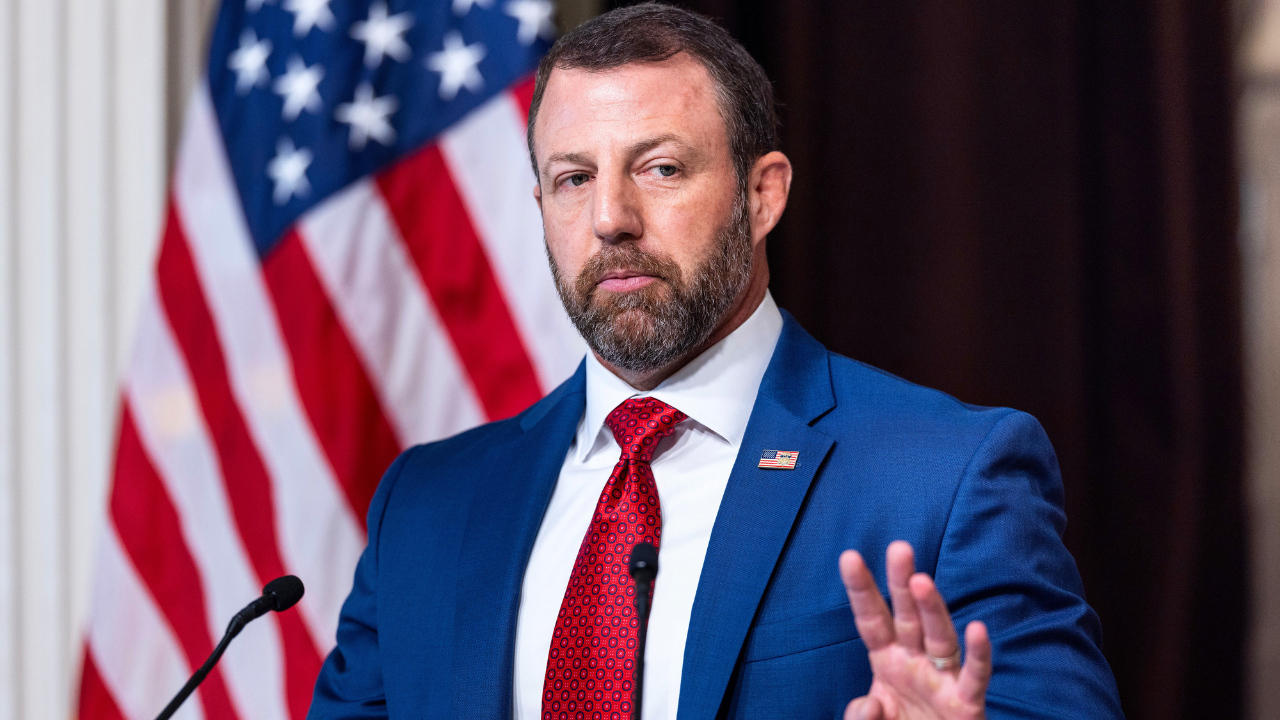
Markwayne Mullin’s immigration message set off a fresh round of conservative frustration after he doubled down on strict enforcement while also talking about broader reforms that some on the right see as too soft. The clash was not about whether illegal immigration should be punished, since that part was clear, but about whether the secretary’s comments opened the door to a familiar kind of Washington compromise. That split, especially inside a Trump-aligned immigration push, is exactly why the reaction got so loud so fast.
After speaking at the National Governors Association Summer Meeting in Oklahoma City, Mullin took to X and posted, “NO amnesty for illegal aliens. Ever.”
He followed that with an even sharper line: “We are a nation of laws,” he wrote. “If you are illegally present in the United States of America—you will be detained and deported. Period.” For supporters of a hardline approach, that sounds like the right tune, but critics argued the earlier speech told a different story.
The pushback centered on Mullin’s call for immigration reform and his suggestion that some employment visa programs should be modernized. He also drew a line between people seeking legal status and those who are not, saying the country needs a system that works better for the economy while still enforcing the law. To conservatives who want mass removals and zero wiggle room, that sounded less like strength and more like the same old Washington balancing act.
One user on X fired off a blunt question about the apparent contradiction, asking why Mullin was saying one thing at the governors meeting and another online just hours later. That kind of reaction spread fast because immigration fights rarely leave much room for nuance, especially when the base wants a clean message and fast action. If the wording sounds even a little flexible, critics move in immediately.
Former Border Patrol Chief Gregory Bovino went even further, saying, “Voters asked for mass deportations. Clear demand. High priority. No ambiguity.” He also took aim at the idea that the DHS chief was talking about broader reform, arguing that the country had already heard that script before and seen the results. For him, the issue was not just style, but whether the administration would stay locked onto deportations or drift toward compromise.
Bovino later sharpened the criticism by calling Mullin’s interview a “masterclass in how to give terrible answers during a single interview” and said, “Now you know why we’re not getting mass deportations.” Conservative commentator Robby Starbuck also jumped in, calling Mullin’s remarks “a total betrayal.” That kind of language shows just how little patience some Republicans have for any hint that enforcement might be softened by policy talk.
Mullin’s comments at the event were not a full retreat from enforcement. He repeatedly said immigration laws must be enforced and made clear that people with criminal backgrounds would get no special treatment. “If you have a criminal background, we’re not making exceptions for you,” he said. “There are zero exceptions.”
He also said there would be no relief for people who entered illegally or overstayed visas and then failed to pursue a legal path. “There’s nothing I can do for you,” he said. Those remarks line up with the Trump administration’s broader message, which has treated border control and deportations as a centerpiece rather than a side issue.
What made the whole thing combustible was the tension between enforcement and reform. Mullin argued that the U.S. still needs a serious immigration overhaul and that some labor shortages could be addressed with smarter visa rules, but the conservative reaction made clear that many on the right see any talk of reform as a trap. In that camp, the fear is simple: once the conversation shifts to modernization, the pressure to deliver real deportations starts to fade.
The administration’s immigration agenda has become a test of whether the promises on the campaign trail can survive contact with governing. That is why even a few carefully chosen words can light up the right, especially when they sound like they leave room for business needs, visa fixes, or legal pathways. Right now, the loudest voices are demanding something much more direct, and they are not shy about saying so.
