
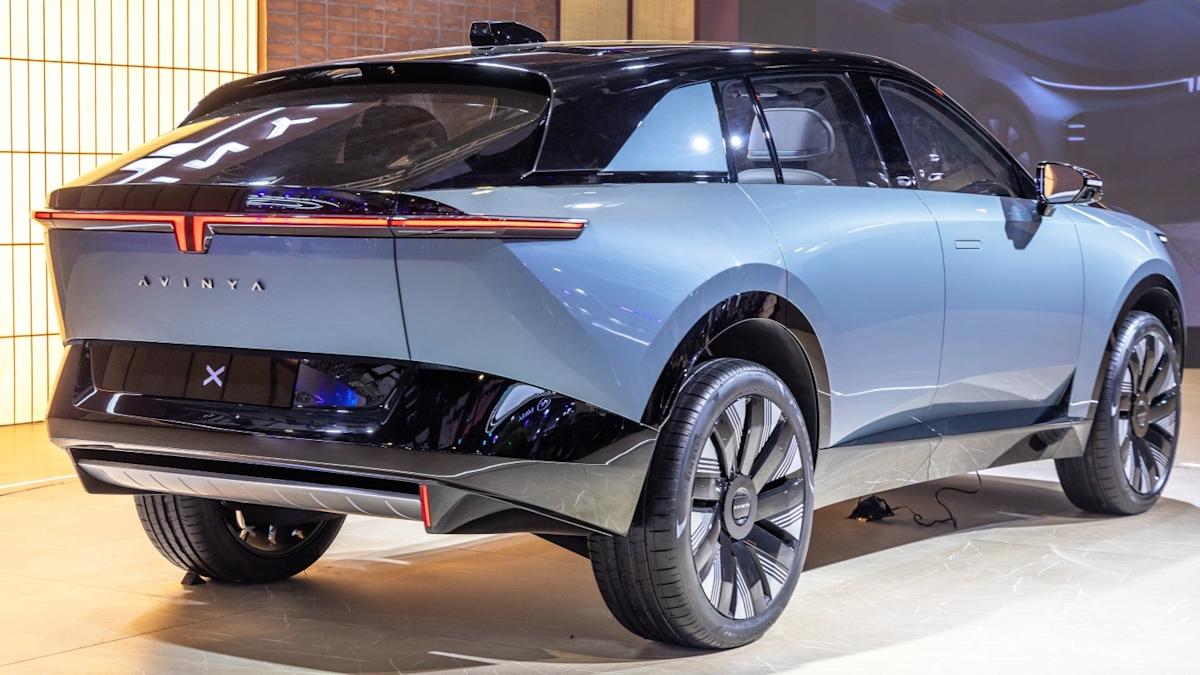
Tata Motors has pivoted to a Chinese-developed platform to power its new Avinya electric range after plans with Jaguar Land Rover fell through, aiming to get models into buyers’ hands faster while navigating a tricky regulatory and competitive landscape.
The automaker will base Avinya vehicles on the Freelander platform, born from a joint venture between Chery and Jaguar Land Rover in China. That switch replaces an earlier idea to use JLR’s electrified modular architecture, which is no longer going forward for India. The change is pragmatic: it buys time and avoids the heavy cost and delay of building a totally new electric architecture from scratch.
Production will take place at Tata’s new facility in Tamil Nadu, with the first Avinya model targeted for 2027. Initially that car will arrive in kit form for local assembly while Tata ramps up sourcing of homegrown components. This staged approach is meant to jump-start market presence without waiting for a fully localized supply chain to mature.
A follow-up model is pencilled in for 2029, and Tata is weighing the addition of two more variants after that. Staggering launches like this helps spread capital outlays and test customer response before committing to broader rollouts. It also gives Tata flexibility to tweak features or positioning if rivals make unexpected moves.
The strategic move is driven by pressure. Tata’s electric vehicles currently make up about 14% of total sales, short of the company’s 30% EV target for 2030. Market share has slipped from roughly 60% to about 38.4% in a year, signaling that competition is heating up and early advantages are evaporating fast.
Competitors have not been idle. Mahindra & Mahindra and JSW MG are among the firms encroaching on Tata’s turf, and JSW MG already leverages a platform licensing deal with Chery. Those kinds of arrangements let rivals roll out products quickly and keep price and range options aggressive, pushing Tata to accelerate its own timeline.
India’s regulatory picture complicates matters. Since 2020, the government has limited direct investment from neighboring countries, tightening participation rules for Chinese firms in certain sectors. Despite those curbs, Chinese manufacturers have expanded globally through licensing, joint ventures, and co-production, sidestepping direct-investment barriers while still exporting technology.
Chery stands out as a prolific partner in this model, offering platforms and engineering packages that speed up vehicle launches across Europe, Southeast Asia, and Latin America. For an automaker like Tata, accessing a ready-made platform can mean faster time to market and lower upfront engineering cost, but it also brings dependence on external technology and potential political scrutiny.
Using the Chery-derived Freelander platform is a pragmatic solution that balances speed, cost, and capability. It gives Tata a path to rebuild momentum in a domestic EV market that has shifted quickly, while allowing the company to focus investment on assembly, localization, and customer-facing features rather than base architecture. That trade-off will shape how Avinya is received and how Tata competes over the next several years.
The move raises clear questions for policymakers and industry watchers about supply chain resilience and strategic technology sourcing. As Tata rolls out Avinya cars from Tamil Nadu, the company will need to juggle pricing, component localization, and regulatory comfort to turn this platform-level decision into sustained market strength.
