
As people get older, the simplest signs of strength often matter more than flashy workouts or expensive machines. A quick chair-rise check is getting attention because it reflects how well the body handles everyday movement, balance, and independence.
What looks like a plain 30-second drill is being used as a window into lower-body fitness and healthy aging. The idea is straightforward: if standing up from a chair starts to feel easier, that usually means the legs, hips, and supporting muscles are doing their job better.
That matters because mobility is not a bonus feature of aging, it is the thing that keeps daily life running smoothly. Getting up, walking steadily, and moving without hesitation can shape everything from confidence to fall risk, especially in older adults.
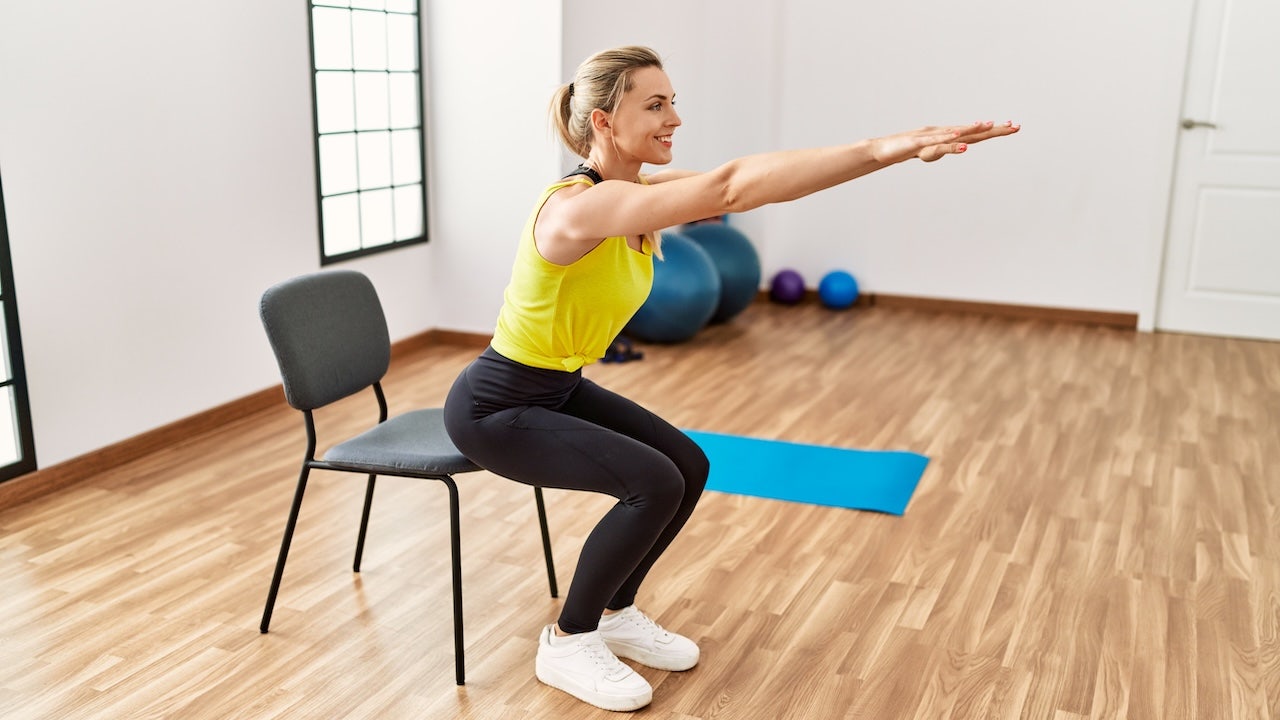
The test itself is simple enough to do at home with nothing more than a sturdy chair. Sit upright with feet planted, arms crossed, then stand fully and sit back down as many times as possible in 30 seconds while keeping the movement controlled.
Fitness specialists often point to this check because it mimics real life instead of isolating one muscle group on a machine. That makes it useful for showing how strength, endurance, balance, and coordination work together in a way that actually matters outside the gym.
Public health guidance has long treated chair-stand performance as more than a number on a score sheet. Lower scores can signal weaker legs and a greater chance of falling, which is why the movement gets linked with healthy aging and functional fitness.
Benchmarks vary by age and sex, so the target is not identical for everyone. For adults in their 60s, the expected range is higher, then the numbers gradually shift downward with age, reflecting the normal changes that come with getting older.
For many people, the real value is not obsessing over the exact count but noticing whether the movement feels smoother over time. If standing from a chair becomes less of a struggle, that is a solid sign that lower-body strength and everyday function are improving.
For those who come up short, the answer is not panic. The lower body responds well to steady work, and a few basic exercises can help build strength where it counts most.
Squats are one of the strongest options because they train the quads and glutes while also pulling the hamstrings and core into the action. They also translate nicely to real life, since the movement pattern is very close to sitting down and standing back up.
Lunges add another layer by making each leg do its own work. That can help expose strength differences from side to side, which may affect stability and mobility more than many people realize.
Calf raises may seem minor, but they support the lower legs in a way that becomes more important with age. Strong calves help with walking, balance, and the kind of quick adjustments the body makes without much thought.
These exercises fit into a broader picture of staying active and reducing the loss of muscle that can creep in over the years. That gradual weakening, often tied to aging, can make common tasks feel harder and raise the odds of injury.
Lower-body strength is not just about workouts, either. It helps people climb stairs, carry groceries, rise from chairs, and move with more confidence, which is exactly why a tiny 30-second test is getting so much attention.
Mobility and strength feed each other, and once that cycle starts slipping, daily life can get tougher fast. Keeping the legs and hips engaged helps preserve independence, and that tends to show up in the little wins, like moving more freely and feeling steadier on the feet.
