
- Luxury SUVs often lose value quickly
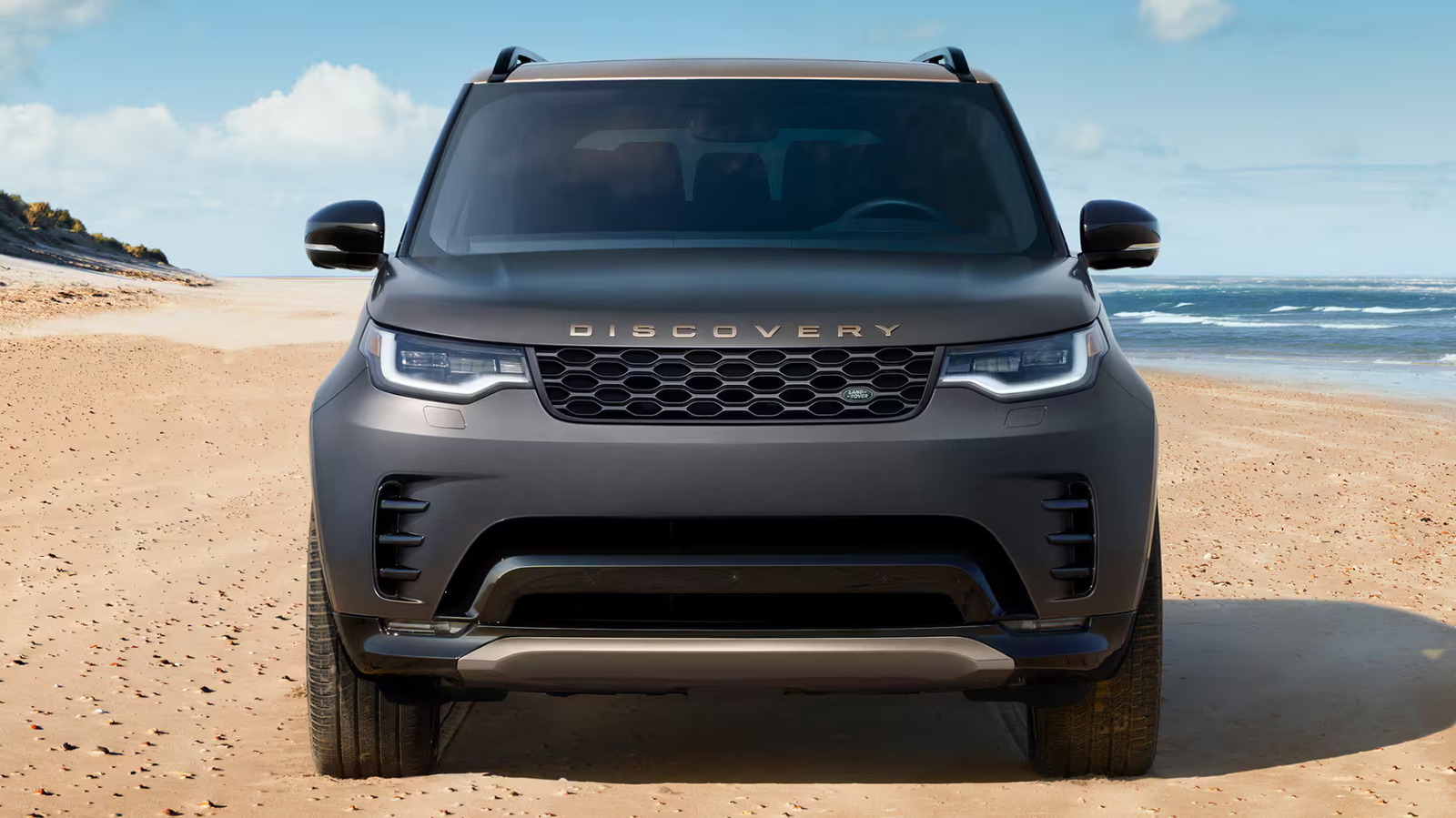
- Land Rover Discovery depreciation sets the benchmark
- Alfa Romeo, Infiniti, and Maserati show steep drops
- Range Rover resale performance is especially weak
- Nissan Armada proves mainstream SUVs can also slide hard
Resale value can be a rude wake-up call, especially in the SUV world where size and badge prestige do not always protect your money. Some models shed value so fast that even a pricey nameplate starts looking ordinary on the used market, and the Land Rover Discovery is far from the worst example.
Luxury vehicles, in general, tend to depreciate harder than more mainstream rides because buyers worry about upkeep, aging tech, and the cost of repairs once the warranty glow fades. CarEdge puts the average luxury vehicle at 50.6% of its original value after five years, while more popular brands average 54.6%, and Land Rover lands well below both at 39.4% for the brand overall.
The Discovery itself does not escape the hit. CarEdge pegs it at 35% retention after five years, which is rough enough on its own, but several SUVs sink even lower and make the Discovery look almost stable by comparison.
Alfa Romeo’s Stelvio and Tonale sit near the bottom of the pile, both estimated to hold just 32.9% of their value after five years. That puts them deep in the red for anyone hoping an Italian luxury SUV would age gracefully, and the numbers get uglier over a 10-year stretch when both are projected to keep only 21.9% of their original price.
The pain is not limited to exotic styling and leather-lined cabins. Infiniti’s QX80, a big Japanese luxury SUV, is projected to retain only 31% of its value after five years, which is a brutal result for a vehicle wearing a premium badge and a hefty sticker price.
At the top of the luxury pile, Japanese brands usually do much better, which makes Infiniti’s slide stand out even more. Lexus and Acura tend to hang on to value far better, so the QX80’s weak showing is less about the segment and more about the model itself failing to excite used buyers.
Then there is the Range Rover, which takes a hit that feels almost unfair for such an iconic name. CarEdge estimates only 21.6% value retention after five years, and that drops to 13.6% after 10 years, a level of depreciation that can make even a wealthy owner wince when it is time to sell.
Maserati plays in its own league of depreciation misery. The Grecale is projected to keep just 20.9% of its value after five years, which makes it one of the worst performers of any vehicle in the study, luxury or otherwise, and the first-year drop alone is enough to scare off bargain hunters and brand loyalists alike.
Not every bad resale story comes from a luxury badge, either. The Nissan Armada shows how a mainstream SUV can still get clobbered, with CarEdge estimating 33.8% retention after five years, a result that lands it uncomfortably close to the Discovery despite being far less exotic.
That is the tricky part about buying big SUVs with premium pricing. The showroom thrill can vanish fast once depreciation starts working against the owner, and some of these vehicles lose value so aggressively that the used market tells a much harsher story than the window sticker ever did.
