
California just gave missing-persons investigators a bigger DNA toolkit, and that matters in cases where time has already done its worst. The new law broadens how the state’s Missing Persons DNA Program can be used, opening the door to identifying unknown living people as well as the dead. For families stuck in that awful gray zone of no answers, the change could mean movement in cases that have sat frozen for years.
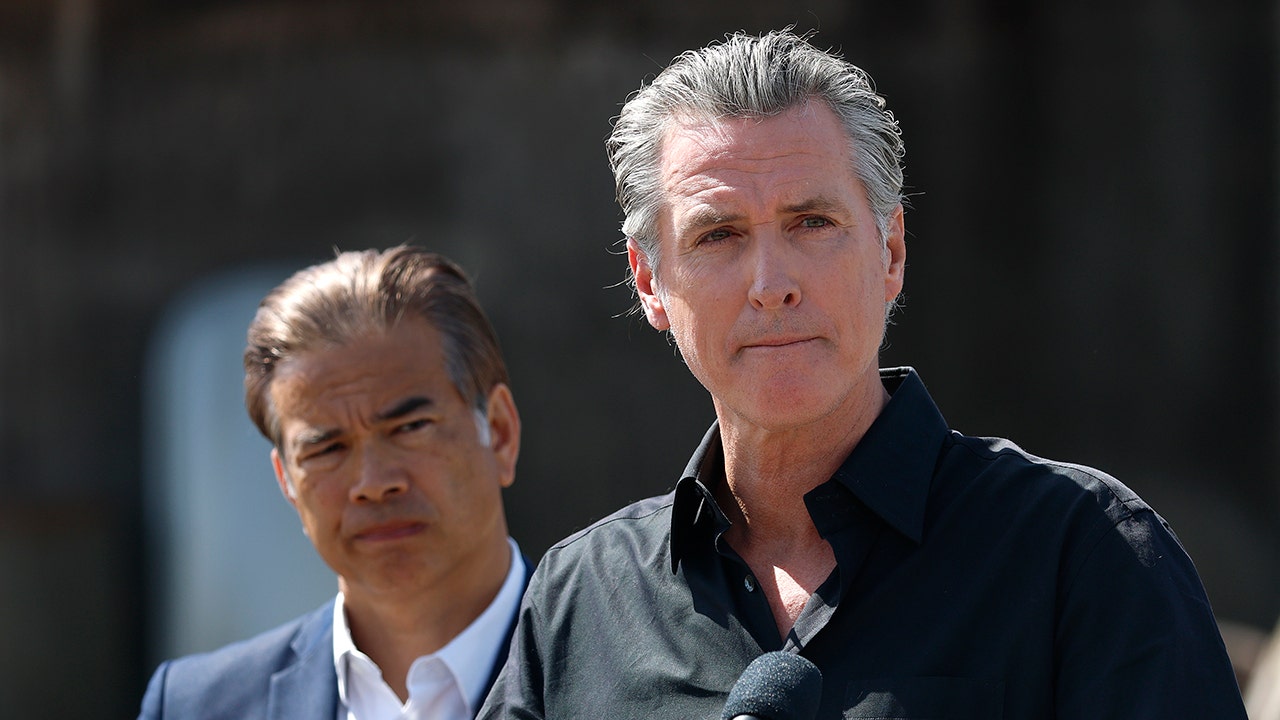
Gov. Gavin Newsom signed the measure last month, loosening the rules that had kept the program tightly focused on deceased individuals. That older setup made sense for a narrower system, but it also left a gap when investigators needed to identify someone alive but unable to speak for themselves. Now the database can serve a wider set of forensic needs without waiting for a case to fit the old box.
The law is built to help coroners, medical examiners, and law enforcement agencies connect the dots when a person cannot be immediately identified. That can happen in all kinds of missing-person cases, from adults and children to cases involving Missing and Murdered Indigenous Persons. In practical terms, it gives investigators a better shot at putting a name to a set of remains or a living person whose identity is still unknown.
Attorney General Rob Bonta praised the move, saying every missing-person case represents another family left waiting in painful uncertainty. He described the law as a way for California to show it is taking action instead of letting cases fade into the background. The tone behind that message is plain enough: families should not have to live forever in limbo while the system drags its feet.
Assemblymember James Ramos wrote the legislation and argued that modern forensic tools should be easier to use when the goal is resolution, not paperwork. He pointed to the number of missing and murdered Indigenous people as part of the reason the update matters so much. His view is simple and hard to argue with: if the science exists to help solve these cases, investigators should be able to use it.
The law also changes how long certain DNA samples can stay in the system. Before the update, DNA collected from relatives of missing people was destroyed after remains were identified, even when other related remains might still turn up later. Now the state can keep samples when investigators believe there may be more than one set of remains connected to the same family.
That detail may sound technical, but it carries real weight. Cold cases often do not move in a straight line, and a case that appears closed one day can reopen when new remains surface or new evidence comes to light. Keeping relevant DNA on file longer gives investigators a better chance to avoid starting from scratch.
The timing also lines up with a broader push in Northern California, where specialists are increasingly leaning on newer DNA-analysis methods to crack old cases. The Calaveras Cold Case Task Force, launched in 2020, brings together local law enforcement and scientists who work through unresolved deaths and disappearances with modern forensic tools. That kind of effort can be slow and painstaking, but it is exactly the sort of work that turns a dead end into a lead.
For families, the biggest change is not the policy language. It is the possibility that a long-quiet case may finally move again, maybe because a sample stays on file, maybe because a living person can be identified, maybe because one more piece of the puzzle can now be matched. In missing-person investigations, even a small shift in the rules can crack open a case that has been shut for too long.
