
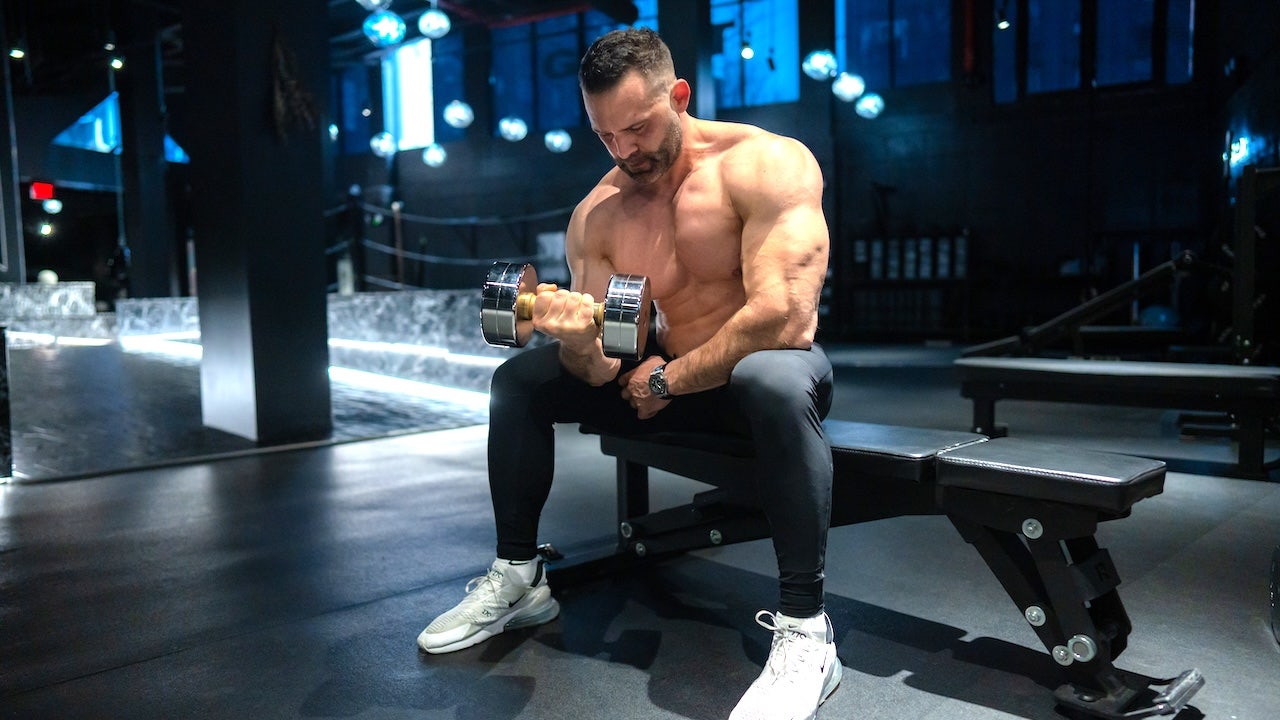
What happens after a workout can matter just as much as the session itself. For adults over 35, recovery starts to play a bigger role because muscles do not bounce back the same way they did at 25, and the little habits around sleep, food, stress, and rest can make a real difference.
Fitness coach Jacob Zemer, who works mostly with clients in their 30s, 40s, and 50s, puts recovery at the center of training. His approach is simple: train hard enough to improve, but recover well enough to keep showing up without grinding the body down.
One of his biggest points is sleep. Seven to nine hours of solid rest gives the body a better shot at repairing tissue, and the setup around bedtime matters too, from cutting off late meals to keeping the room cool, dark, and quiet.
That sleep routine is not about perfection, just consistency. A steady bedtime, less screen time before bed, and fewer stressful conversations late at night can all help the nervous system settle down, which is exactly what recovery needs.
Zemer also stresses the value of regular bloodwork and checkups. As bodies change with age, hormone shifts, nutrient problems, and other hidden issues can slow recovery or make workouts feel harder than they should.
That kind of screening is not one-size-fits-all. It should be tailored to age, symptoms, history, and personal risk, but keeping tabs on things like blood pressure, blood sugar, and bone health can catch trouble before it starts messing with training.
Heat is another tool he likes for winding down after exercise. Warm showers or similar heat therapy can help the body relax, raise core temperature briefly, and then allow it to drop, which can create a sleep-friendly, recovery-friendly effect.
Protein matters too, especially after a workout when the body is trying to rebuild. The catch is that needs are individual, and people with certain medical conditions may need a more careful approach rather than blindly copying whatever is trendy in the gym.
Hydration gets equal billing. Drinking enough water before training helps keep the session from turning into a slog, and being underhydrated can leave the body flat, sluggish, and less able to get real work done.
Just as important is giving the body time to decompress after the effort is over. Training raises stress hormones for a while, so a proper meal and a bit of rest can help bring things back into balance instead of rushing straight into the next demand of the day.
Zemer draws a clear line between useful soreness and the kind that signals a problem. A little soreness for a day or so can be normal, but if it lingers for several days, especially in the joints, the workout was probably too much.
That does not mean backing off forever. It can mean trimming volume by about 30 percent, easing into a new routine, and letting the body adapt instead of trying to prove something in one session.
He also warns that endorphins can be deceptive, because they can make pain feel smaller while the workout is happening. What feels manageable in the moment can turn into a much bigger issue later, which is why paying attention to recovery signals matters long after the gym session ends.
