
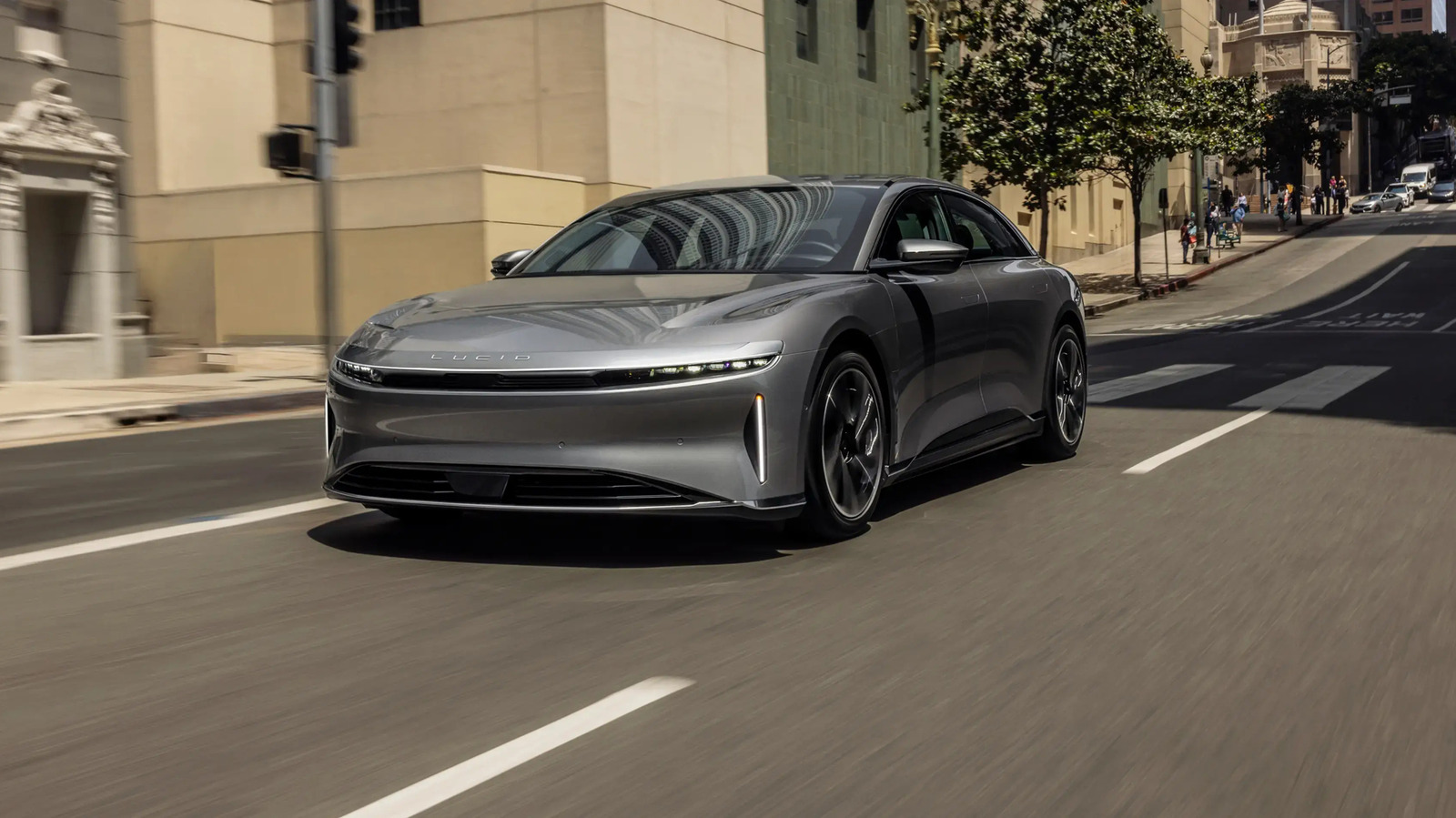
Electric cars have changed the face of traffic fast, but one old-school feature keeps fading from view: the big front grille. That missing piece is not an accident, and it is not just a styling fad. It comes down to how EVs work, how they stay cool, and why automakers still like to borrow a familiar face for the front end.
For decades, grilles on gas-powered cars did an important job. They pulled in outside air to help cool the radiator and support the engine’s appetite for oxygen, especially in vehicles that burned more fuel and made more heat. Bigger engines usually needed bigger openings, which is part of why performance cars often wore such bold front ends.
Electric cars do not have an internal combustion engine, so they do not need that same constant rush of air. No engine means no need to feed cylinders with fresh air, and that removes the main reason traditional grilles existed in the first place. That is why so many EVs look smooth, sealed, and a little futuristic from the nose back.
Still, EVs are not running cold by magic. Batteries heat up during charging and hard acceleration, and the inverter that changes direct current into alternating current can also get hot under pressure. Since electric drivetrains need to stay within a tight temperature window, cooling remains a serious part of the package.
That cooling can happen in more than one way. Some EVs use air, others rely on liquid systems, and many combine both depending on the model and the job at hand. Coolant moves through channels around important parts, pulls heat away, and sends it to a heat exchanger where it can be dumped more efficiently.
Performance-focused EVs often need even more help. Models like the Porsche Taycan and Audi E-Tron GT use layered cooling strategies because quick charging, high speeds, and repeated hard driving can push temperatures up fast. In some cases, cars include front flaps that stay closed most of the time, then open only when extra cooling is needed.
Those flaps also show how much aerodynamics matter in the EV world. Keeping the front end smooth helps reduce drag, which can improve range and make the car more efficient overall. A giant open grille would just create unnecessary wind resistance on a vehicle that is trying to squeeze every mile from its battery.
Even with all that, plenty of EVs still wear a grille-like face. That is partly because drivers expect a car to have one, and designers know the front end can look strangely bare without it. The grille has become a visual cue, a kind of automotive shorthand that signals “this is a real car” even when the mechanical need is gone.
There is also a practical business side to it. Some electric models are built on platforms shared with gas-powered versions, which makes it cheaper to reuse a similar body shape. The BMW i4 and 4 Series Gran Coupe are a good example of that approach, since sharing design parts helps keep development costs in check.
So the grille is not disappearing because EVs are unfinished or oddly styled. It is fading because the old job it once handled is no longer essential, while a different set of engineering priorities has taken over. What remains is a mix of cooling tech, efficiency, and styling that tries to keep electric cars looking familiar without pretending they still need to breathe like gasoline machines.
