
• White House scrutiny of the Smithsonian
• Trump’s push against “woke” museum content
• A timeline of escalating reviews and letters
• Disputes over patriotic history and founding-era themes
• The July 2026 report and new executive action
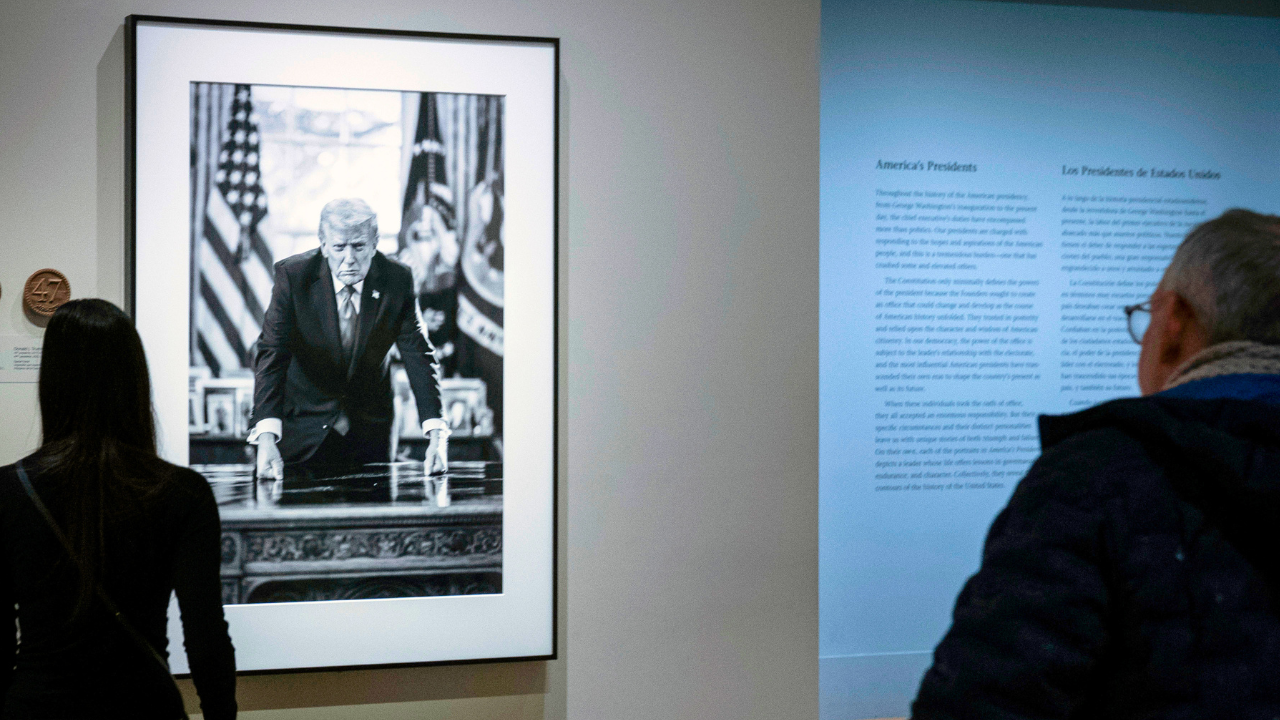
President Donald Trump’s fight with the Smithsonian has turned into a full-scale clash over who gets to define America’s story. What started as a complaint about “woke” ideology has grown into a sweeping review of the institution’s exhibits, programming and leadership, with the White House arguing that taxpayer-funded museums should reflect the country’s founding values more honestly and more proudly.
The Smithsonian is no small target. It oversees 21 museums, the National Zoo and an enormous collection of objects and specimens, all while pulling in more than $1 billion in federal support each year. That scale alone made the review a major deal, but the real pressure came from the deeper question underneath it: should national museums lean into social critique, or should they put more weight on patriotism, achievement and the American founding?
Trump put his fingerprints on that debate early in his second term. In March 2025, he signed an executive order called “Restoring Truth and Sanity to American History,” which said federal cultural institutions had drifted into divisive narratives and needed a reset. The order put Vice President JD Vance, in his role as a Smithsonian Regent, and the White House Domestic Policy Council into the mix, setting the stage for a closer look at how the museums were presenting the country.
From there, the review got serious fast. Over the spring and summer of 2025, White House officials dug through exhibits, educational materials, strategic plans, speeches and public statements, focusing heavily on the National Museum of American History. They also interviewed curators and inspected the museums on site, trying to determine whether the institution was elevating ideological messaging over a more balanced account of the nation’s past.
By Aug. 12, 2025, the White House had gone from investigating to putting the Smithsonian on formal notice. A letter to Secretary Lonnie Bunch demanded records, exhibition plans, internal policies and other materials, while laying out a broad review of eight museums. The message was plain: public-facing content should celebrate American exceptionalism, and anything seen as divisive was now under the microscope.
The tension kept building as the year went on. In late 2025, the White House blasted the museum for not doing enough around Independence Day, dropping traditional Flag Day ceremonies and preparing exhibits tied to America’s 250th anniversary that the administration said leaned too hard into the country’s flaws. The criticism landed in a very specific way, with officials arguing that the Founders, the Declaration of Independence and the American Revolution were not getting the respect they deserved.
Then came the paperwork fight. On Dec. 18, 2025, the White House said the Smithsonian had not turned over most of the records requested and set a Jan. 13, 2026 deadline for compliance. The administration also reminded the institution that federal money had to be spent in line with Trump’s order, which only raised the stakes and made the whole process feel less like a request and more like a test of will.
In early 2026, White House investigators moved from files to floor plans, completing on-site walkthroughs of Smithsonian museums. They reviewed exhibits, digital content and internal planning documents, and the resulting report said the institution had drifted from its original mission. The criticism focused on what the White House saw as an emphasis on decolonization, immigration activism, DEI and social justice themes at the expense of the nation’s founders and major historical milestones.
The conflict sharpened again in May 2026 when the Smithsonian launched its flagship America 250 exhibit. The display featured historic pieces like Thomas Jefferson’s writing desk, George Washington’s uniform and the Star-Spangled Banner, but the White House said the exhibit still missed the mark by recycling old material instead of building a genuinely strong celebration of the founding era. For the administration, that was another sign that the institution was not treating the 250th anniversary with the gravity it deserved.
The biggest blast came in July 2026, when the White House released its 162-page “Saving America’s Story” report. It concluded that the National Museum of American History had fallen under “ideological capture,” and it called for removing political activism from museum displays while restoring a stronger focus on founding principles, national achievement and patriotic history. Hours later, Trump signed a new executive order directing federal agencies to help push the Smithsonian toward those changes, and the fight moved into its next phase with no sign of cooling off.
