
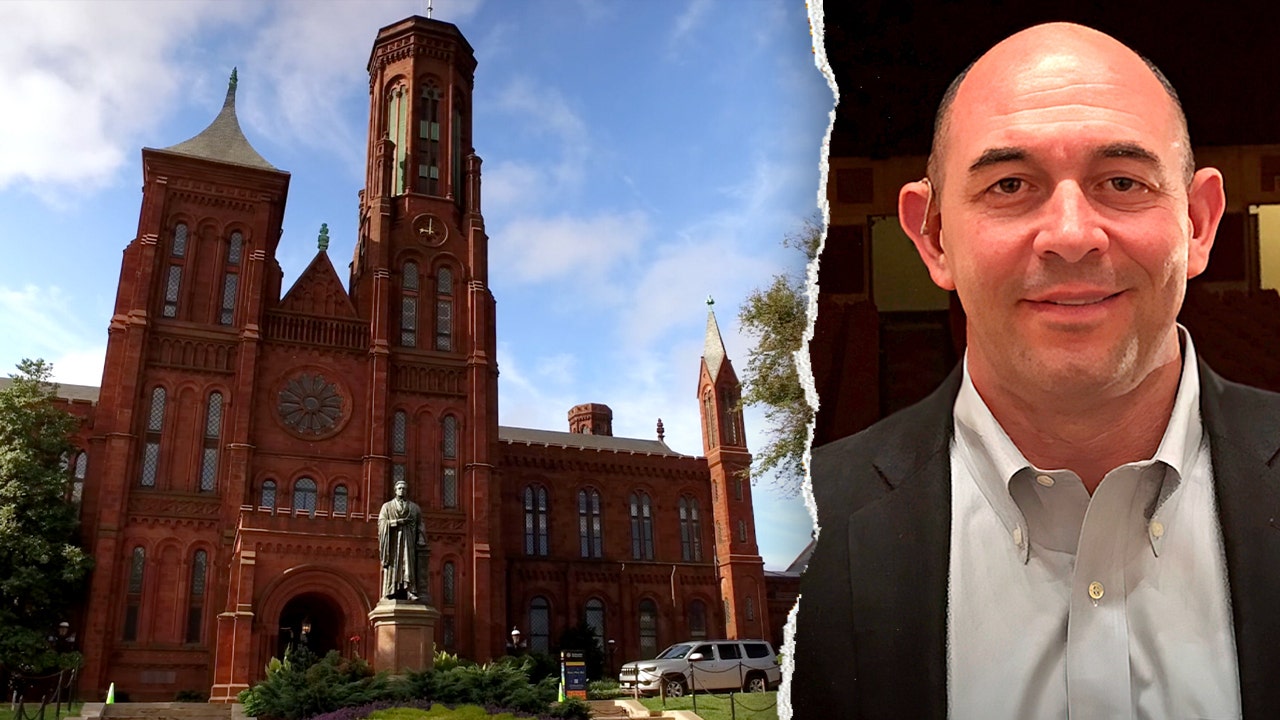
Concerns over viewpoint diversity at the Smithsonian have landed in the middle of a new fight about race, identity, and who gets a platform inside one of the nation’s most visible museums. A Black conservative filmmaker says his documentary has been left out in favor of works with a progressive edge, while the museum has not publicly explained why a public screening has not moved forward.
Eli Steele, who directed and co-produced White Guilt, says the film is meant to push back on the way racial identity politics shapes public life. Based on a book by his father, Shelby Steele, the documentary argues that fear of being labeled racist has helped institutions elevate identity over individual merit.
Steele’s own background gives the film a sharper edge. He is Black, Jewish, and deaf, and he has said his personal experience makes him especially sensitive to how race gets framed in cultural and academic spaces.
The Smithsonian’s National Museum of African American History and Culture has become the center of the dispute because Steele says it turned down his proposed public screening dates and pointed him toward a private rental instead. He says he has still not received a real answer about whether a public showing could happen on different dates.
That matters because the museum has previously hosted public programming around films that take a very different view of race in America. Steele pointed to 13th as a major example, saying a film like that is controversial too, yet still got a place in the museum’s orbit.
The comparison has fueled his central question about whether the museum is open to a range of arguments or only certain ones. Steele’s line about whether someone has to be “the right kind of Black” to get screened there has drawn attention because it hits at a bigger cultural argument over who counts as acceptable dissent.
Supporters of Steele say this is about more than one film. Carol Swain, a retired conservative professor, argues that institutions that once bragged about being marketplaces of ideas have become less welcoming to dissenting views, especially when those views come from Black conservatives.
Jason Riley, a columnist and senior fellow at the Manhattan Institute, made a similar case, saying institutions like the Smithsonian are shaped by a broader liberal class that does not like being challenged. He suggested the film may cut too close to the people who help shape the museum’s worldview.
Riley and Swain also argued that a screening could be useful precisely because it would force people to confront uncomfortable questions about race-based assumptions. Their view is that the film may challenge the familiar idea that Black Americans are blocked from advancement mainly because of race, instead of also considering how policy and ideology shape outcomes.
The wider backdrop only makes the dispute louder. The Smithsonian has been under fire from President Donald Trump and his administration, which have accused it of leaning too hard into progressive storytelling and have threatened to put federal support under review.
That pressure has turned the institution into a national symbol in a larger fight over history itself. Critics want what they see as a more balanced approach, while defenders say the museum is simply telling the full American story, including the ugly parts.
According to correspondence reviewed by Fox News Digital, Steele’s team reached out in late August, filled out the required application, and submitted two possible dates in early September. About two weeks later, the museum said neither date was available, then offered a private screening space for a quoted cost of $35,000.
For Steele, the silence after that was the most frustrating part. He says his team made clear they were still seeking a public screening and were open to flexibility, but did not get a response when they asked again.
Other commentators say the film deserves a hearing because it deals with ideas the museum should not be afraid to confront. Glenn Loury, a Brown University professor who describes himself as conservative-leaning, called the documentary powerful and provocative, and said the Smithsonian would be an appropriate place to screen it.
Steele says the museum’s refusal feels especially odd given the subject matter of the film and the history behind his father’s work. Shelby Steele was born under segregation and has spent decades writing about race, guilt, and the burden of identity politics in America.
That history is exactly why Steele says the film belongs at the museum dedicated to Black history. He says the conversation his father has spent a lifetime developing should not be kept at arm’s length from the very institution meant to explore that history in public.
The museum did not respond to requests for comment, which only keeps the questions hanging in the air. Meanwhile, the pressure around the Smithsonian is not cooling off, and the fight over which voices belong inside its walls is still very much alive.
