
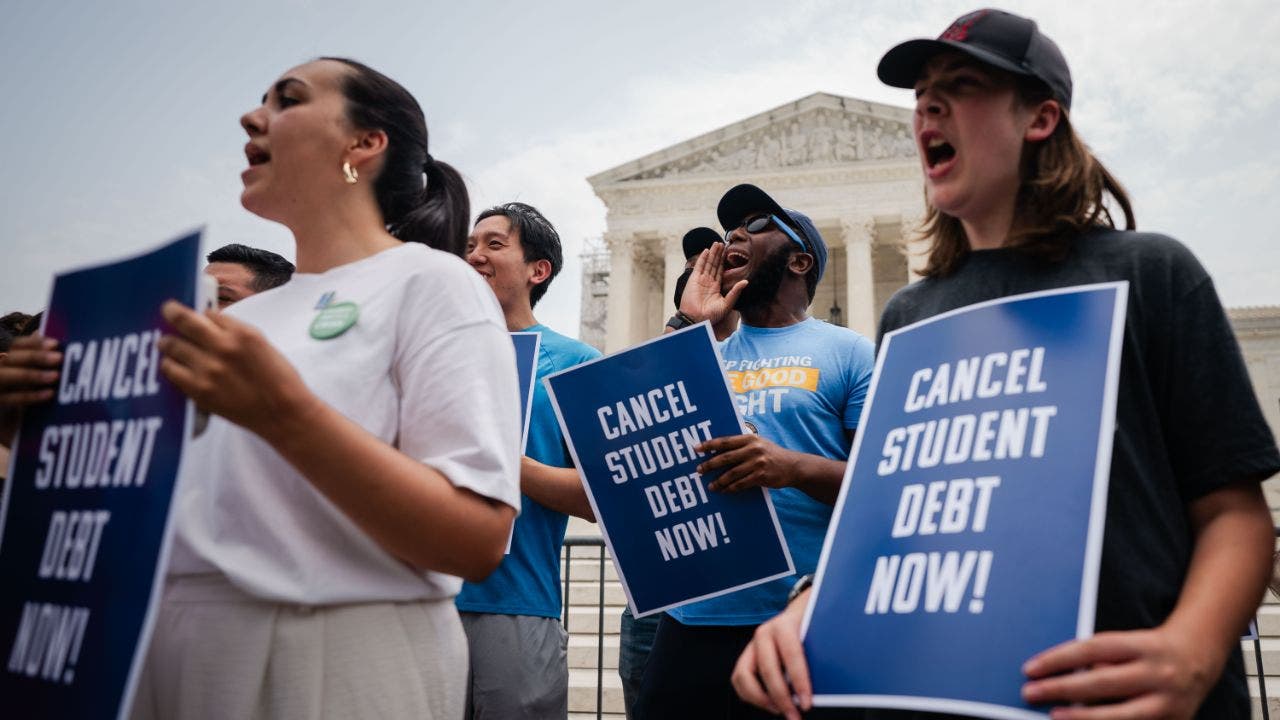
Student loan defaults are piling up fast, and the numbers are getting ugly. Roughly 9.5 million borrowers are now in default, a level that puts real pressure on households, schools, and the federal system that helped build this mess. The story is no longer just about delayed payments, but about a growing crisis that is already hitting workers, wages, and state economies.
According to federal data, default means a borrower is more than 270 days behind on payments. That group now makes up more than 20% of all federal student loan borrowers, which is a huge share by any standard. Out of about $1.7 trillion in federally backed student debt, $233.3 billion is sitting in default.
The jump did not happen in a vacuum. The pandemic-era payment freeze kept the problem hidden for a while, and then the fallout hit hard once the pause ended and borrowers had to start paying again. By March 2025, there were about 5.3 million borrowers in default, and the pace picked up sharply after that as millions crossed the 270-day mark.
That’s where the pain gets personal. Once a loan goes into default, borrowers can face collections, damaged credit, and wage garnishment that comes straight out of paychecks. For a lot of people, that is not just a financial headache, it can be the thing that knocks them further behind on rent, groceries, car payments, and everything else that keeps life moving.
The Trump administration has taken a more cautious approach than the previous White House when it comes to aggressive collection moves. The Department of Education chose to delay a plan that would have restarted garnishment in January, a decision that reflects how serious the situation has become and how messy the politics around student debt still are. Even so, notices are going out to borrowers in default, which signals that the government is preparing for tougher enforcement ahead.
One of the biggest turning points came when a federal appeals court ended the SAVE Plan, the Biden-backed repayment program that had cut monthly payments for millions of borrowers. About 7.5 million Americans had signed up for it, so the ruling landed like a hammer for people who had been counting on lower bills. The Trump Justice Department backed the challenge, and several Republican-led states pushed hard to shut it down.
That fight mattered because it exposed just how unstable the federal student loan system has become. Programs were built, challenged, extended, and then yanked back and forth while borrowers were left trying to guess what their monthly bill would even look like. When policy keeps shifting like that, people stop planning and start falling behind.
The damage is not spread evenly across the country. Southern states have the highest concentrations of borrowers in default, and Mississippi stands out with more than 28% of borrowers in default, according to an Associated Press analysis. Puerto Rico is even higher, with more than 30% of borrowers in default, which shows how deep the strain runs in some communities.
Those regional numbers matter because they point to broader economic weakness, not just isolated bad luck. High default rates can drag down credit scores, limit access to housing and car loans, and make it harder for young workers to build any kind of financial cushion. For employers, that can also mean a shrinking pool of applicants who are already under pressure before they even get hired.
Borrowers who are struggling now are dealing with a system that has been patched together for years instead of fixed. The federal government can talk about flexibility, relief, and enforcement all at once, but the reality on the ground is a growing number of Americans who borrowed with hope and now feel stuck with a bill that never stopped coming. That tension is still building, and the next moves from Washington will decide whether the damage gets contained or keeps spreading.
