
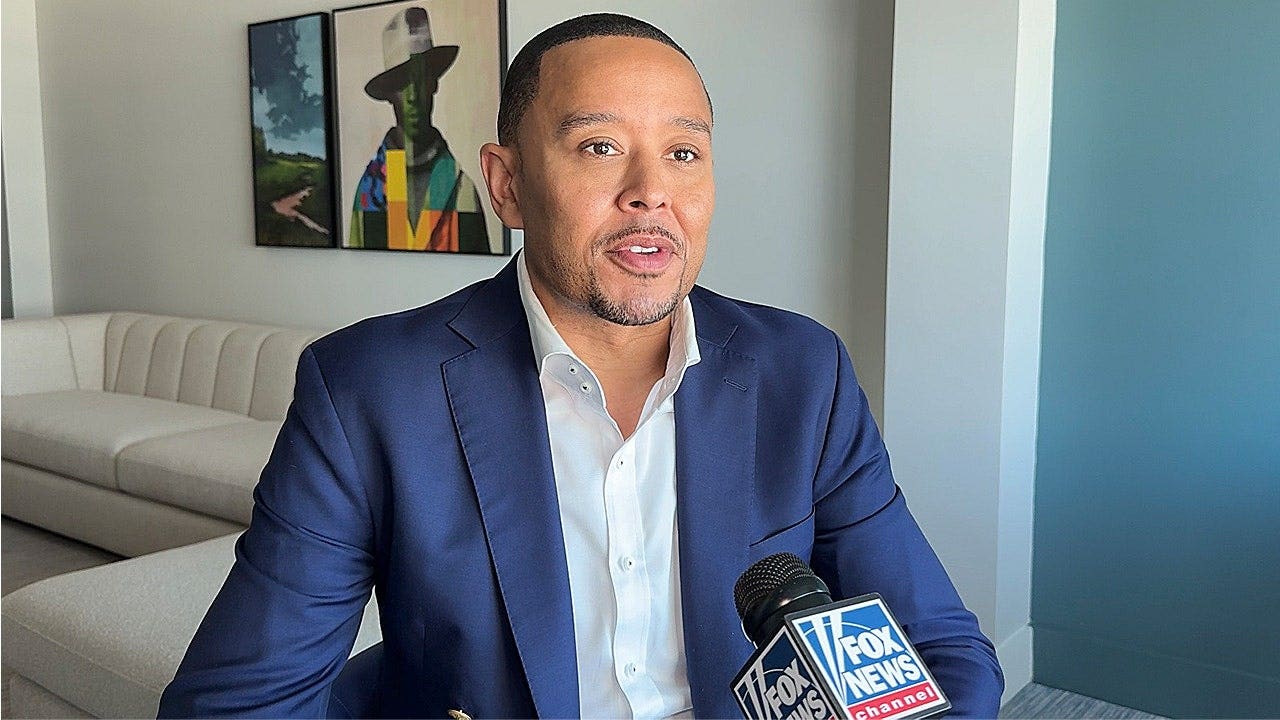
T.W. Shannon says Republicans have a real opening with Black voters, even without Donald Trump on the ballot in 2026. His case rests on a simple pitch: jobs, safer streets, and a party message that sounds more connected to working people than it used to.
Shannon, a former Oklahoma House speaker and now the state’s Republican lieutenant governor nominee, argues that Trump’s surge with Black voters in 2024 was not a one-off. He says the shift showed that voters are willing to break old habits when they see policies that feel practical and immediate.
Trump won 16% of the Black vote in the 2024 presidential race, according to Fox News Voter Analysis, nearly twice his share from four years earlier. That kind of jump caught attention inside the GOP, especially among Republicans who think the party has spent too long writing off minority communities.
Shannon says the party’s best path forward is not flashy messaging or empty symbolism. It is sticking to an agenda built around opportunity, economic growth, and public safety, then making that case directly to voters who care about paychecks, schools, and neighborhood stability.
He described Trump’s influence as a turning point, saying the former president pushed the GOP toward being the party of workers again. That, in Shannon’s view, forced Democrats into a spot they have long tried to avoid, competing harder for Black support instead of assuming it would always be there.
Job creation came up as one of Shannon’s biggest examples. He tied it to lower crime rates and said those results matter in Black communities just as much as anywhere else, because people want safer blocks, stronger families, and a better shot at moving ahead.
Shannon also took aim at Democrats who are increasingly linked with the Democratic Socialists of America. He argued that talk of higher taxes, weakening law enforcement, and other left-leaning ideas does not play well with voters who want order and economic breathing room.
The Democratic response was blunt. A DNC spokesperson said Black Americans would reject what they called Trump’s “billionaires-first, cost-raising agenda” and instead support Democrats focused on lowering costs and helping working families.
They also said the party is putting resources into reaching, registering, and mobilizing Black voters nationwide. That message came paired with criticism of the Trump administration over civil and voting rights, which Democrats often use to frame the stakes for minority communities.
Shannon’s own background gives him a strong platform inside this debate. He became Oklahoma’s youngest and first African American House speaker in 2013, and he was also the first member of the Chickasaw Nation to hold that post, making him a notable figure in his state’s political history.
He is widely expected to win in solidly Republican Oklahoma, and he said speaking at the first-ever GOP midterm convention gave him a chance to tell that story on a bigger stage. The appeal, as he framed it, is not complicated: show up, talk straight, and keep making the case that Republicans are the ones offering a better deal for everyday voters.
