
- Online backlash tied to the Lindsay Clancy trial
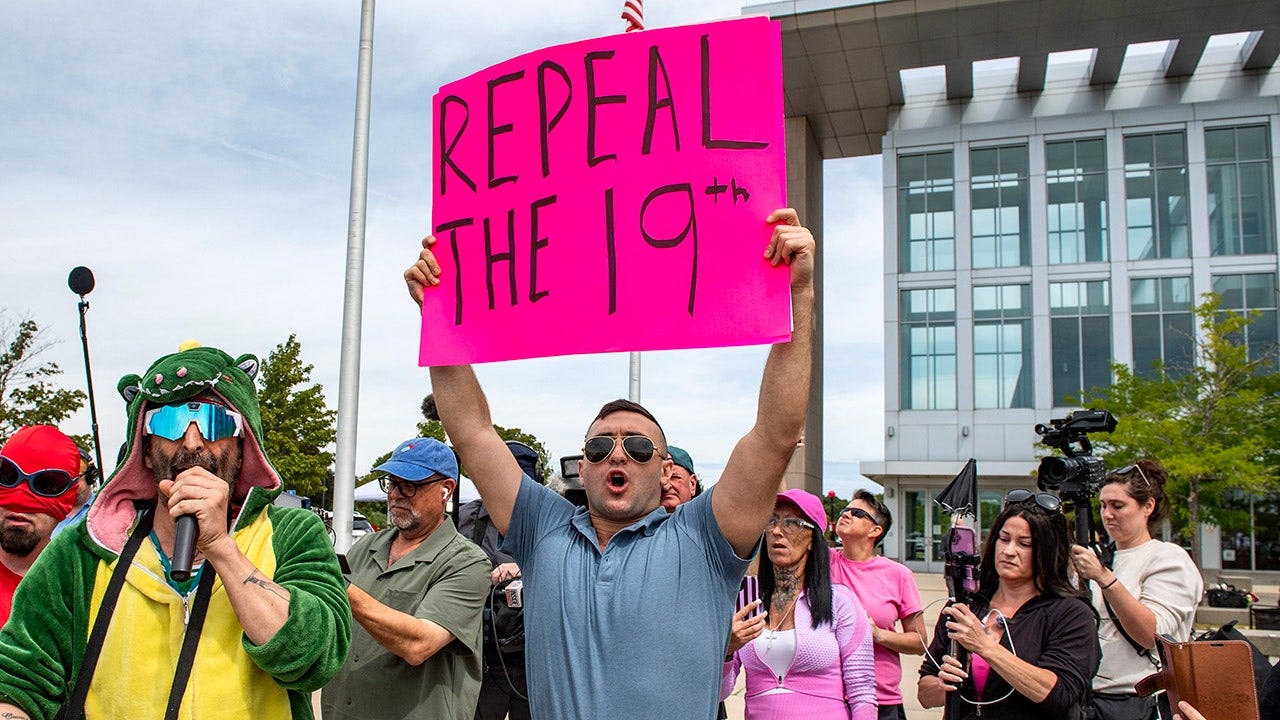
- Calls to repeal the 19th Amendment
- Republican women warning about party damage
- Social media outrage versus mainstream voters
- Democratic attacks and cultural messaging
- The GOP’s effort to keep women engaged
Online fury around the Lindsay Clancy trial has spilled far beyond the courtroom, and it is dragging a bigger fight with it. What started as a highly emotional case has been turned into a political food fight, with some conservative accounts pushing ugly talk about women’s voting rights and others trying to shut it down before it poisons the broader GOP brand.
That kind of rhetoric is exactly why Republican women are sounding the alarm. Mehek Cooke, a political and legal strategist, said there is “definitely a threat” inside the Republican Party when fringe voices start treating repeal of the 19th Amendment like a serious talking point instead of the toxic stunt it is. The concern is not just about one bad post, but about how fast that kind of nonsense can spread and distort what regular voters think the party actually stands for.
The backlash grew after Clancy’s murder trial ended in a mistrial, with 11 of 12 jurors leaning toward not guilty by reason of insanity. Clancy admitted to killing her three children, while her defense argued she was not criminally responsible because she was suffering from postpartum psychosis. That grim reality was enough to set off intense debate on its own, but social media quickly took the worst possible turn.
Some users on X jumped straight from anger to attacking women’s suffrage, posting things like, “Convict Clancy. Also Repeal the 19th Amendment!” Others used the jury split and the public support for Clancy to claim women could not be trusted politically at all. The whole thing became less about justice, more about outrage theater.
Cooke argued that this is the kind of fringe activity that scares off sensible women voters and does nothing to help Republicans. “When you have these fringe activists online talking about repealing the 19th Amendment or alienating women, it really doesn’t help,” she said. That warning lands because the GOP already fights a constant image battle, and self-inflicted chaos only makes it harder.
The Clancy case also drew crowds outside the Massachusetts courthouse, where many supporters, mostly women, showed up in pink to rally behind her. They argued the case reflected a broader lack of understanding about postpartum depression and postpartum psychosis, which added another layer of tension to an already raw story. That public show of support became easy material for critics looking to turn one case into a sweeping attack on women in general.
Tiffany Losee, who serves as director of fundraising for The Conservative Caucus, said Democrats are eager to take that kind of online garbage and pin it on the entire right. In her view, the left seizes on anything that looks fringe and uses it to distract from the growth of socialism inside the Democratic Party. She argued that many voters would run from those ideas if they understood what was really being sold.
That’s the real problem with internet politics. A small pile of loud, reckless posts can make a whole movement look unhinged, even when most people want nothing to do with it. Cooke put it bluntly: “Social media isn’t real life,” and that gap matters when voters are trying to figure out which party still speaks for common sense.
The timing makes the mess even sharper, with Republicans gathered in Dallas to rally support ahead of the midterm push. Cooke said the left has spent years pushing women away, and the GOP now has to do the harder work of bringing them back with a message that feels grounded and practical. That means ignoring the internet’s loudest clowns and talking to the voters who still care about stability, not spectacle.
Losee made a similar point, saying the culture war noise is being used to distract from the real fight over direction and values. She said the party needs to do a better job explaining what it actually believes, instead of letting outsiders define it through the most extreme voices online. That pressure is not going away, and neither is the temptation to turn every ugly social media pile-on into a bigger political weapon.
