
Studebaker’s final chapter might feel like a footnote to some car fans, but those last years produced some surprisingly potent machines that still turn heads today. This piece looks at how a shrinking company managed to pack serious power into both cars and trucks, the engineering choices that made it possible, and why collectors still chase these hard-to-find rides. Expect a clear, conversational look at performance, practicality, and the weird charm of late-era Studebakers.
By the time Studebaker was winding down, the company was no longer chasing mass-market dominance and instead leaned into what it could do well: compact, stoutly built vehicles with real engine bite. Designers and engineers squeezed V8 power into platforms that stayed relatively light, which made for an entertaining mix of pep and practicality. The result was cars and trucks that surprised buyers who expected nothing more than modest transport from a failing automaker.
One of the clearest examples was the way Studebaker used its engines to change the character of familiar models. Sedans and coupes that once served family needs suddenly hustled down back roads when fitted with bigger mills. That willingness to offer performance options gave cars like the Hawk and Avanti a sharper edge than their company’s size would suggest.
The Avanti in particular became a poster child for late Studebaker ambition, showing that style and speed could coexist with a brand on the ropes. It mixed bold looks with available power and showed up dealers with a confident, sporty presence. Even if production numbers were modest, the Avanti burned a clear note: Studebaker could still surprise the automotive world.
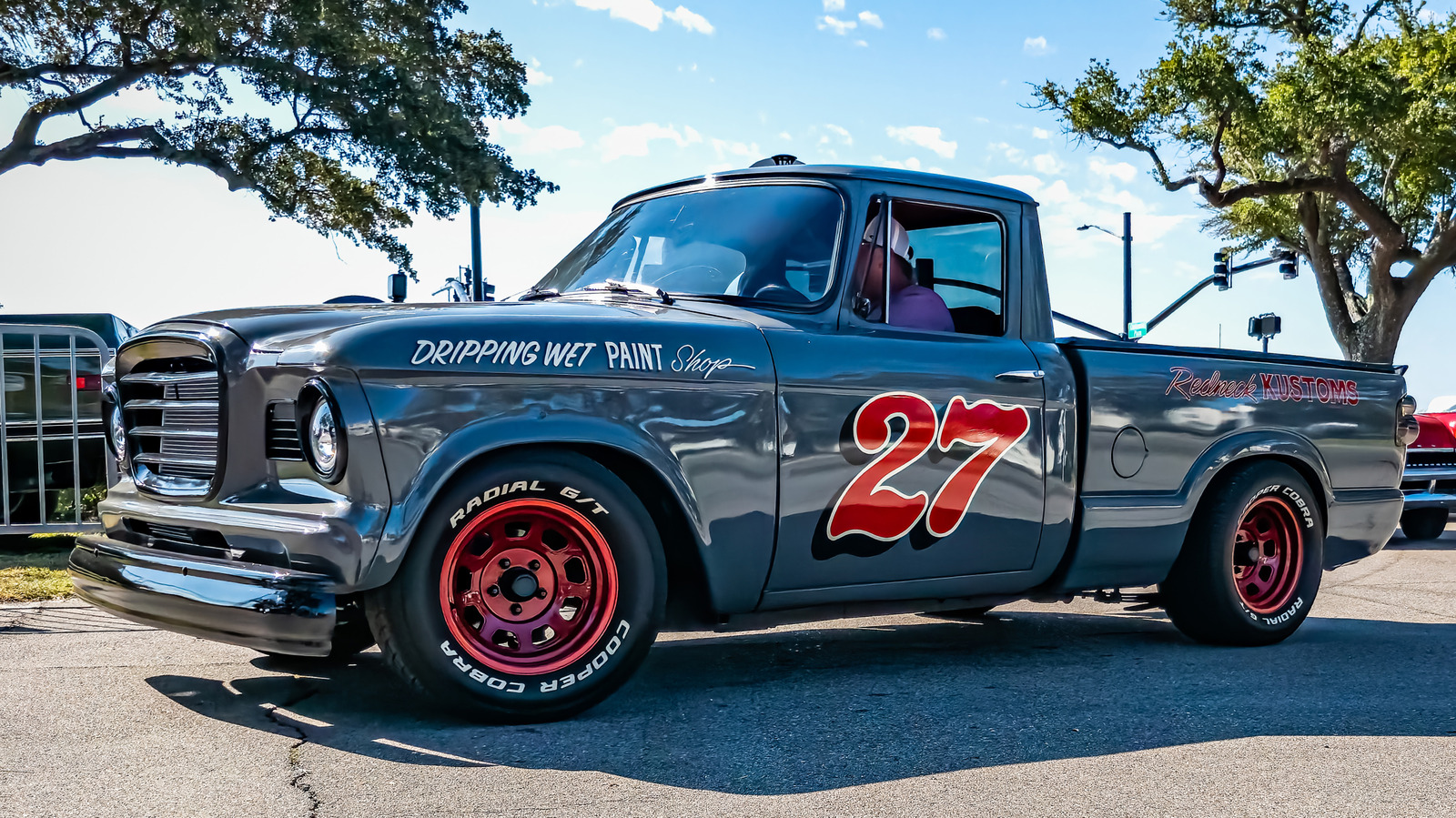
Trucks wore a different kind of performance badge because torque mattered more than top-end speed for work rigs. Studebaker’s pickup offerings benefited from stout engines that loved hauling and towing, giving owners dependable grunt for everyday tasks. That practical strength made the trucks useful well beyond the company’s lifespan and helped keep many of them on farms and job sites long after production stopped.
Beyond factory choices, the aftermarket did a lot of the heavy lifting in preserving and amplifying Studebaker performance. Hot-rodders and independent shops swapped in larger engines, revised carburetion, and upgraded suspensions to unlock even more capability. That culture of hands-on modification kept the marque relevant in car shows and on the street, turning former economy cars into serious weekend weapons.
Engineering decisions mattered too, like packaging engines for better weight distribution and keeping bodies light where possible. Studebaker teams could be nimble because they weren’t tied to massive corporate bureaucracy, and that allowed some smart compromises that boosted performance without massive spending. Those choices left a distinctive driving feel that still appeals to folks who like mechanical honesty over flash.
Driving a late-model Studebaker today is often more about character than raw numbers, and that personality is a big part of the appeal. The cars and trucks have a mechanical directness that modern machines often soften with electronics and insulation. For enthusiasts, that tactile experience — the sounds, the gears, the immediacy — is as valuable as any spec sheet.
Collectors and clubs have done essential work preserving Studebaker’s last efforts, hunting down parts, sharing knowledge, and staging events where these cars can be appreciated in motion. That community keeps the brand visible and helps maintain the kind of mechanical integrity that owners prize. As a result, these vehicles enjoy a steady if niche market among buyers who want something different from mainstream classics.
Studebaker’s final automotive acts may not have saved the company, but they left behind honest, often surprising machines that still reward attention. Whether you care about tidy engineering, rugged truck torque, or the thrill of a compact car with a big heart, the late Studebaker lineup delivers stories and performance that are worth hearing. These cars and trucks remind us that creativity and grit can make a lasting impression, even when the odds are stacked against you.
