
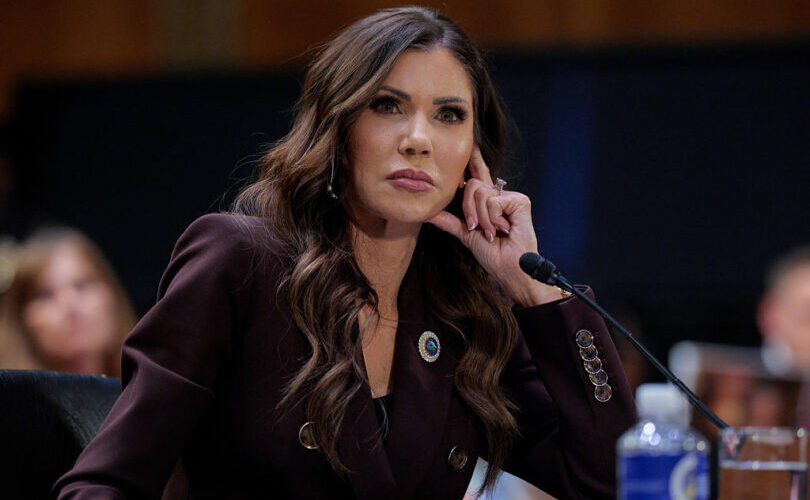
This piece looks at the recent scandal candidly and directly, arguing that our response should focus on accountability, character, and practical lessons rather than gloating or partisan point-scoring.
First, this is not a moment for sneering or cheap applause when someone else falls. We see too much pleasure taken in public failures, and that attitude corrodes civic life. Conservatism calls for toughness that includes mercy, and that means reacting with sobriety not glee.
Second, accountability matters, plain and simple, for anyone who steps into public service. Elected officials and their families should be held to clear standards, and consequences should follow from facts, not rumor. We owe the public honest answers and prompt, lawful inquiry when trust is broken.
Third, leadership requires more than policy skill, it requires character that reflects the values you claim to uphold. Voters have a right to expect personal conduct that matches public rhetoric, and when that standard slips we must demand correction. That expectation is not about perfection, it is about responsibility and clear boundaries.
Fourth, we must distinguish personal failings from crimes, and handle each with the right tools. Private mistakes call for private repair, while illegal or unethical conduct needs formal probes and accountability. Conservatives believe in the rule of law, so investigations should be fair, transparent, and swift.
Fifth, the media circus that follows scandals often drowns out the sober work of governance and heals nothing. Outlets chase clicks with relentless coverage, turning real harm into entertainment, and that hurts the public interest. We should call out media bias when it exists, but also reject hypocrisy when our side succumbs to the same temptations.
Sixth, politics will inevitably respond, and it should do so without losing sight of principle. Candidates and parties can and should make choices about endorsements and discipline based on values and electability. Let voters decide at the ballot box, but make sure those decisions are informed and not merely emotional reactions to headlines.
Seventh, the human story needs attention too, because families and communities are the ones who suffer most when scandals break. Support structures matter, whether that means counseling, pastoral care, or concrete help for those affected. Our conservative instincts toward strong families should push us to rebuild rather than simply cast stones.
Eighth, there are practical lessons for public life that go beyond the individual involved, including clearer vetting, better training, and firmer boundaries for staff and officeholders. Instituting sensible ethics rules and routine oversight reduces the chance of repeat problems and shows voters we take standards seriously. Good governance means preventing avoidable scandals as much as punishing wrongdoing.
Ninth, restoring trust in institutions requires action, not slogans, and that starts with visible steps to correct mistakes. Implementing reforms, publishing results of inquiries, and enforcing consequences will slowly rebuild confidence. Trust is fragile, and it takes plain honesty and consistent behavior to get it back.
Tenth, this is a moment to practice what we preach: live within our convictions, hold people responsible, and offer paths to repair. We should respond with clear standards and reasonable grace, so the conservative movement remains credible and strong. The goal should be a better, more accountable public life, not petty triumphalism.
