
America’s hands-off approach to the digital world has consequences: rising teen mental-health crises, addictive platform design, courtroom pushback, and renewed calls for both parental vigilance and stronger laws to protect kids. This piece looks at how courts are responding, what families can do, and which laws deserve attention as states and Congress decide who holds Big Tech accountable.
For years we treated the internet like a Wild West free-speech zone, assuming platforms could act without real consequences. That led to two risky assumptions: that companies could publish almost anything without accountability and that unhappy users could simply walk away. Those ideas are collapsing as families and juries push back.
Researchers have documented a sharp rise in anxiety, depression, self-harm and loneliness among teens since smartphones and social media became widespread, a trend tracked in books like “The Anxious Generation.” Teen girls in particular saw major depressive episodes climb dramatically, and emergency visits for self-harm spiked. Parents have watched kids in the real world but often missed what was happening in their pockets.
Author Jonathan Haidt put it bluntly: children are “overprotected in the real world and underprotected online,” enjoying less freedom outside the home while facing unlimited exposure to explicit material, predators and relentless comparison. That mismatch is a modern threat to childhood that families did not sign up for. It demands both tougher household rules and stronger public safeguards.
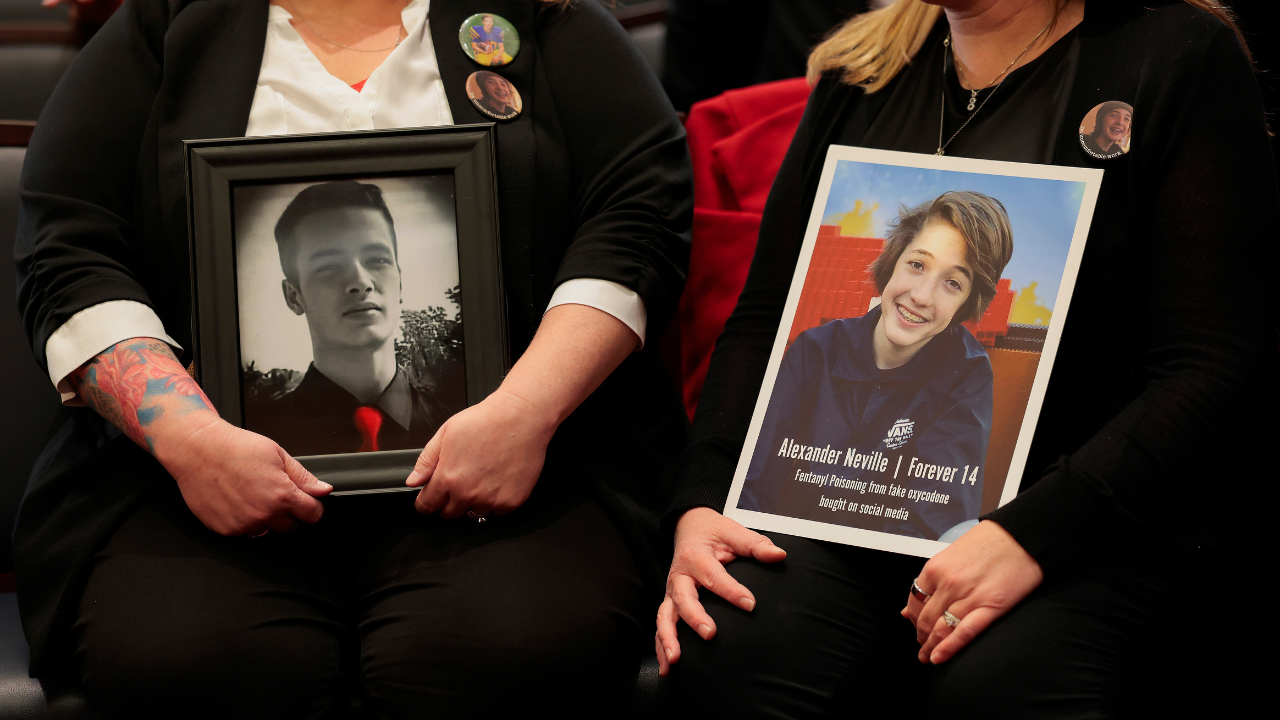
Courtrooms are starting to hold tech firms to account rather than treating them as untouchable. Juries have handed down sizable awards in cases claiming addictive platform design harmed young users, and companies have faced heavy settlements with school districts and states. Meta’s public posture has even included headlines like META VOWS TO ‘AGGRESSIVELY’ FIGHT AFTER LANDMARK VERDICTS FIND TECH GIANT LIABLE FOR ADDICTING KIDS, which shows how high the stakes have become.
Regulation is not about killing innovation; it’s about matching the scale of responsibility to the power of the product. The idea that consumers can always choose a different app does not protect kids who are targeted by manipulative algorithms or exposed to harms before parents can step in. Private companies should not hide behind a free-market excuse when their products are engineered to hook vulnerable users.
Parents have a first-line duty. Practical steps—like delaying smartphones, setting clear boundaries, and running digital “fasts”—can change family culture and reduce harm. Books like “The Tech Exit” offer concrete tactics for reclaiming childhood from screens, and many families report better sleep, school focus and social resilience when phones are managed thoughtfully.
The state also has a role. Lawmakers should pursue measures that stop companies from cutting direct deals with minors and force clearer age verification and honest content ratings. Strengthening COPPA enforcement and pushing app stores to contract with parents rather than children would reduce loopholes that let firms harvest data from the young.
Targeted legislation also deserves attention: proposals that require safety-protective defaults, let parents disable manipulative features, and create easier ways to report harmful content would move the needle. Bills modeled on the App Store Accountability Act and the Kids Online Safety Act aim to give parents practical tools and shift responsibility back to platforms. Congress should avoid any moratorium that would freeze states out of experimenting with sensible, local protections.
States acting wisely can tailor solutions to local families while Congress sets guardrails that stop the worst corporate practices. Allowing both levels of government to work prevents a one-size-fits-all approach driven by lobbyists and keeps pressure on companies to change design choices that addict and endanger children. That combination—parental action, targeted federal law, and state-level innovation—is the best path to secure real childhoods for the next generation.
