
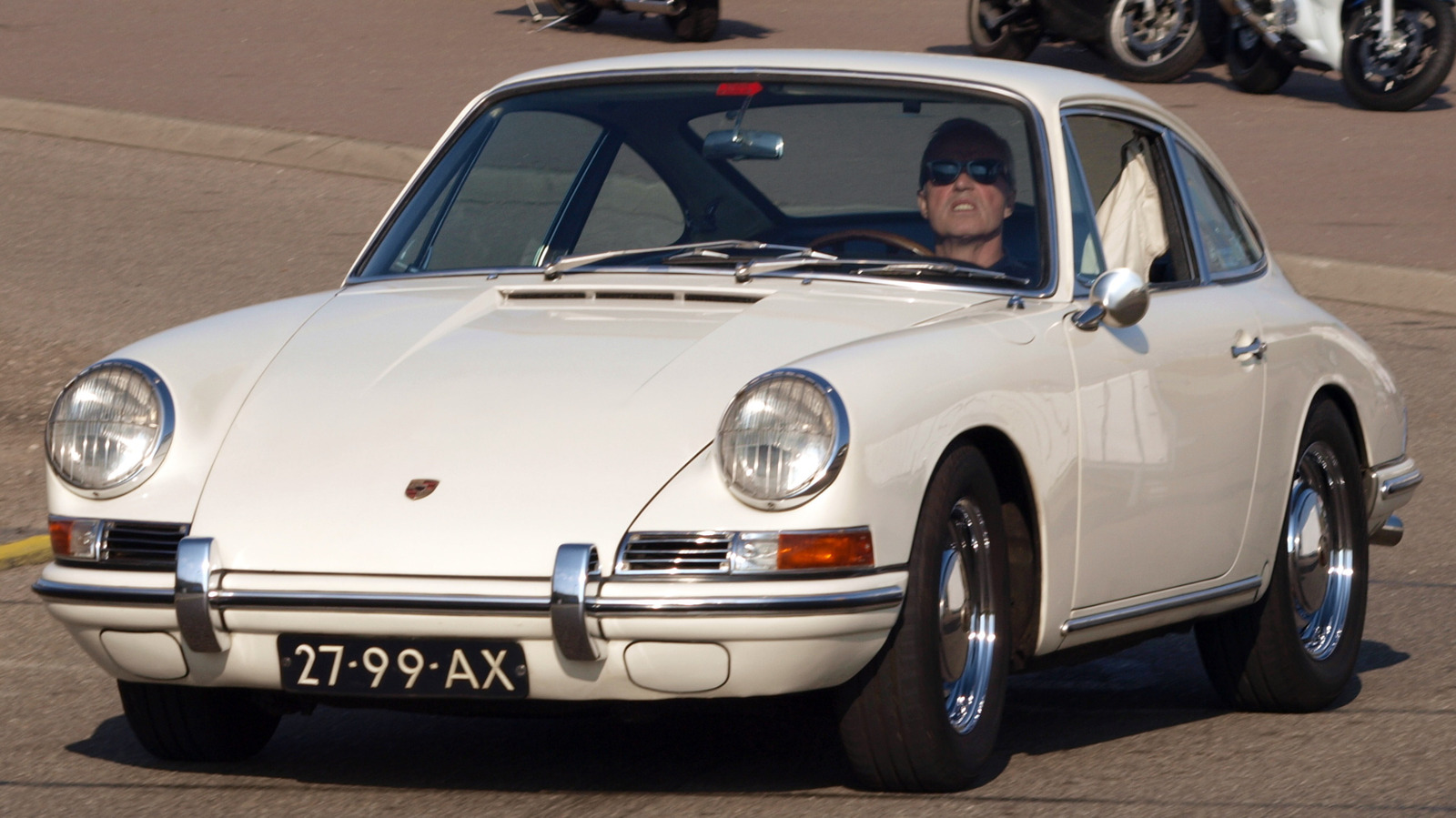
We take a fast, affectionate run through the machines that lit up the 1960s: the cars, bikes, and gear that made kids stare, adults grin, and turned everyday streets into a stage for freedom and style.
The 1960s were a noisy, colorful stretch of time when metal and imagination collided. Automobiles arrived like statement pieces, bold shapes and growling engines daring you to look twice. That era didn’t just sell transportation, it sold an idea of movement and possibility.
Muscle cars rewrote the rules of what a family driveway could mean at night. With oversized V8s and styling that seemed to leap forward, models from Detroit turned acceleration into a mood, not just a specification. They were as much about identity as they were about speed.
European imports brought a different kind of cool, a mix of precision and panache that appealed to drivers who wanted to feel connected to the road. Compact sports cars offered nimble handling and a look that said you cared about how you drove as much as where you were going. They balanced refinement with the raw joy of shifting through the gears.
Scooters and small bikes carved out their own chapter, popping up on college campuses and in city alleys where parking was scarce and style was essential. Their simplicity made them instantly accessible and endlessly modifiable. For many, hopping on a little two-wheeler became the weekend’s small rebellion.
The VW bus and station wagons played a quieter but no less potent role, turning travel into a social act and making road trips feel like a promise. Families and friends piled in, luggage strapped on top, and the open highway became a shared living room. Those vehicles made togetherness portable.
Bigger than any single model was the aftermarket culture that bloomed around these machines, where hobbies turned into obsessions and garages became laboratories. Hot-rodding, customizing, and tinkering made each car personal, a rolling autobiography rather than a catalog number. That hands-on angle is still visible at shows and in the way restorers obsess over details.
Design mattered in the 60s the way headlines do now; fins, chrome, and sweeping curves communicated attitude without a single word. Interiors got more character, too, with gauges, steering wheels, and fabrics that hinted at leisure and speed. You weren’t just buying transport, you were buying a story you could live in.
Technology took small but meaningful leaps: disc brakes, independent suspensions, and more refined engine tuning started to filter down from race tracks into regular models. Those upgrades made cars safer and sharper to drive while keeping the thrill intact. The decade set a technical baseline that modern restorations still chase.
Car culture plugged into music, movies, and advertising, creating iconic snapshots that stick in the head decades later. Cruising down main street, drive-in nights, and impromptu shows turned ordinary nights into community rituals. Those shared experiences left a cultural echo you can still find at weekend meets and nostalgia festivals.
Collectors today chase that feeling with restored classics, barn finds, and faithful recreations that aim to capture both the look and the spirit. Some cars are prized for rarity, others for the simple, immediate grin they still produce when you fire them up. Owning one is less about investment and more about preserving a slice of motion and memory.
The machine-filled 60s left behind more than metal; they left a way of seeing the road as a place for expression. Whether it was the rumble of a V8, the hum of a scooter, or the compact elegance of a European roadster, those vehicles did more than move people—they moved culture. That energy keeps pulling enthusiasts back, generation after generation.
