
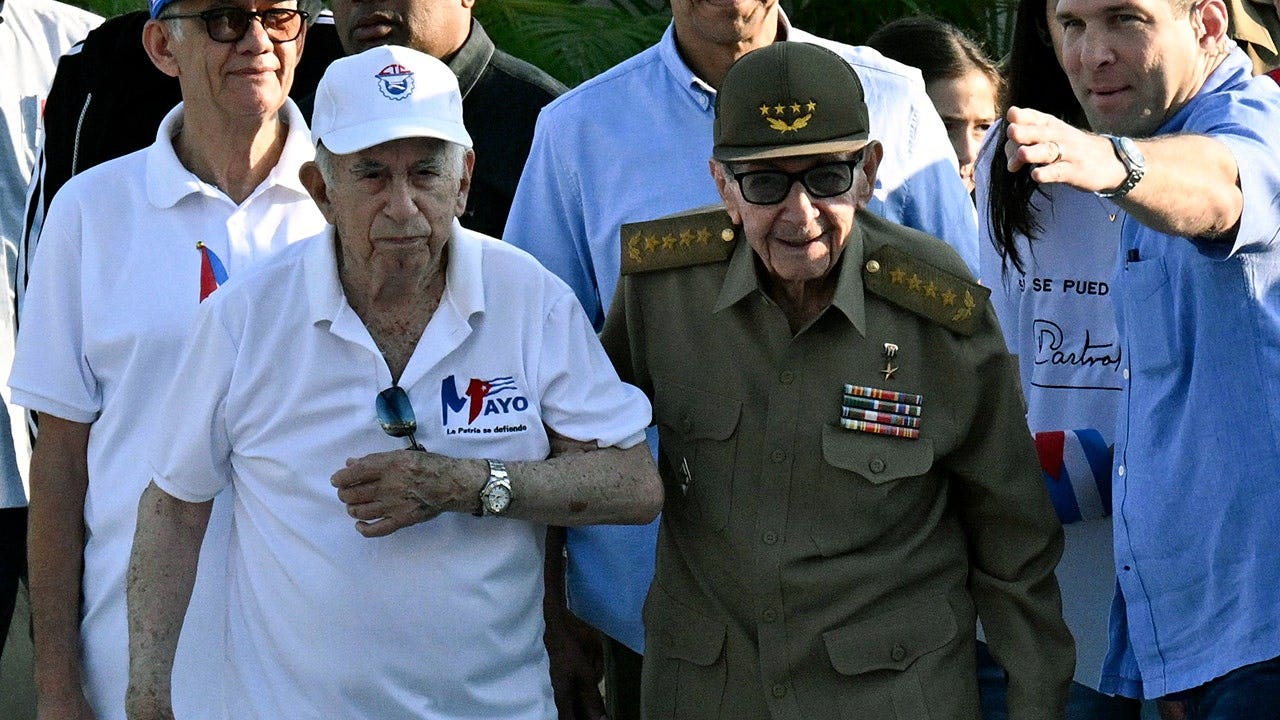
The Castro regime has clung to power for decades by selling the myth that Cuba’s communist system is permanent, but that story is cracking. Daily blackouts, empty hospital shelves and chronic food shortages have exposed the failure, while Havana’s ties to foreign adversaries turn a humanitarian mess into a strategic threat. Recent legal and law enforcement moves have peeled back the veil on how the military elite profits while ordinary Cubans suffer, and Washington’s tougher stance has finally made the dictatorship feel pressure it has not known in a generation.
The regime survives through fear, propaganda and a tight grip on institutions, not because its model works. Ordinary Cubans pay the price: limited freedoms, scarce medicine and stalled opportunity. That reality is obvious in neighborhoods and hospitals where power outages and shortages are not rare headlines but daily life.
The situation in Cuba is not just a tragedy for its people, it is a threat for the United States. Havana no longer sits in isolation; it is a hub for hostile influence and surveillance that can reach into our region. When an island nation becomes a staging ground for foreign adversaries, it is a national security problem we ignore at great peril.
Beijing has increased its presence on the island in ways that raise intelligence and surveillance concerns, potentially monitoring U.S. military movements in the southeast. Moscow still cultivates ties with Havana, coordinating politically and militarily at times. Tehran has also used anti-American regimes in the hemisphere as footholds to expand its influence, turning Cuba into a platform for actors hostile to American interests just 90 miles off our coast.
TRUMP UNDERSTANDS WHAT WASHINGTON POLITICIANS FORGOT: CUBA IS A MAJOR THREAT TO AMERICA
Justice is finally catching up to some of the regime’s worst crimes, including the 1996 shootdown of two Brothers to the Rescue planes that killed four innocent men. Carlos Costa, Armando Alejandre Jr., Mario de la Peña and Pablo Morales were civilians in international airspace when Cuban military pilots fired missiles. That operation was deliberate, intended to intimidate exiles and silence dissent, and decades of impunity have left scars that only accountability can begin to heal.
At the core of Havana’s grip is GAESA, the military conglomerate that runs hotels, ports, banks and tourism while steering the economy into the hands of the few. Resources that might have helped ordinary Cubans instead pad the pockets of the military elite, reinforcing a system that punishes dissent and rewards loyalty. That concentration of power and profit explains why the regime resists change and why outside pressure matters.
The arrest in Miami of Adys Lastres Morera highlighted the hypocrisy of the regime’s inner circle benefiting from freedoms they deny their compatriots. Law enforcement action that revokes residency for those profiting from the Cuban military apparatus sends a clear message that complicity has consequences. When members of the elite enjoy life abroad while their people are left in darkness, the contrast is stark and politically powerful.
Presidents and policymakers who treated the regime as negotiable often handed it legitimacy without winning reforms, and that approach failed to help Cuban dissidents. Rewarding dictatorships rarely changes their behavior, it entrenches them. Strong policies, firm sanctions and pressure that targets the regime’s financial lifelines are the tools that have begun to peel away the facade of invulnerability.
For the first time in decades the Cuban government appears stressed and more exposed, not because of wishful thinking but because of sustained pressure on its economic and political defenses. The future of the island will be decided by the resilience of its people and the resolve of free nations that refuse to normalize oppression. Washington’s posture matters, and current actions are finally aligning strategy with the reality that Cuba is both a humanitarian crisis and a strategic challenge that must be met.
