
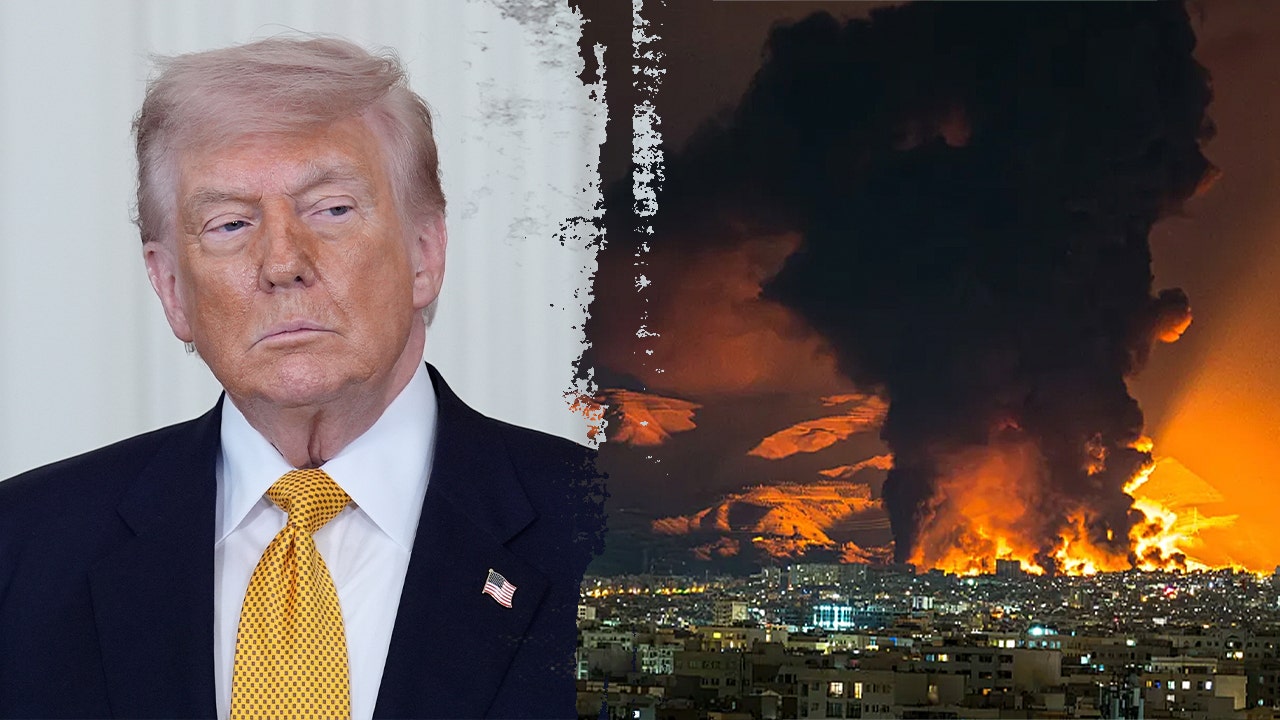
Donald Trump’s playbook looks chaotic from the outside, but there’s a pattern: bluster, pressure tactics, and a talent for turning headlines into leverage. This piece follows the strains in his agenda — economic comments that shock, a near-strike with Iran that gets called off, fights with courts and colleagues, and controversies that never quite go away. Read it as a paint-by-numbers look at a leader who thrives on disruption and often treats politics like a high-stakes negotiation. The tone here is straightforward: Trump is combative, sometimes reckless, but not without strategy.
He said, “I love the inflation,” and that line alone handed his critics a target. From a Republican view, the comment was clumsy but tied to a larger point about energy and leverage: if you can strain an adversary’s oil revenue, economic pain is a tool. The media pounced, of course, and turned a strategic remark into a moral headline. That’s classic coverage these days.
On Iran, Trump has played both hawk and dealmaker, a two-step that confuses opponents and allies alike. He repeatedly said a deal was imminent while privately signaling willingness to strike, and even warned that Iran would be “HIT VERY HARD TONIGHT.” Then he called off the strikes, saying negotiations had reached the highest level and that markets liked the outcome. That flip-flop is less a sign of weakness than a pressure tactic that bought time and attention.
His habit of amplifying things into absolutes is real — insisting he won 2020, recasting Jan. 6 participants as patriots — and it fuels both loyalty and fury. The $1.8 billion fund meant to aid his followers came with political baggage because some moments need clearer moral lines. Still, his base often treats these controversies as proof he won’t blink at enemies and institutions that aim to sideline him.
Inside the GOP, frustrations bubble when policy hits legal roadblocks or party members balk at his picks. The temporary intelligence appointment stirred bad blood, prompting lawmakers to withhold a surveillance law renewal. That kind of intra-party pushback shows the limits of raw presidential impulse when institutions and colleagues resist. Trump responded by nominating a more conventional choice, a move that acknowledged political reality without admitting defeat.
The Epstein revelations became a political firestorm and the president publicly dismissed the uproar as a “hoax,” a line that looks defensive but fits his instinct to fight back against supposed Democrat setups. Advisers urged a faster, cleaner response; Trump chose to weather the criticism instead. To his supporters, that reads as refusal to be punished by a media-driven narrative; to opponents, it reads as stubbornness.
Messaging inconsistencies ripple through the foreign policy theater. One day he boasts Iranian defenses are depleted, the next day Tehran shoots down a U.S. helicopter. Trump’s claims about seizing strategic sites and crippling oil infrastructure are part warning, part bargaining chip. Critics call it dangerous brinkmanship; supporters call it the art of negotiating from strength.
He blamed the media for crooked coverage and pushed the line that “The press just covers it so crazily.” That complaint is familiar and effective. Blame the press, force the story to move on, and reframe the narrative. It’s a disruptive tactic that keeps opponents off balance and energizes followers who feel wronged by mainstream outlets.
When he said, “I don’t know that America has the stomach for it…I think they’d like to see us come home,” he voiced a reality politicians rarely admit: public appetite matters. Leaders who telegraph limits can gain leverage by exposing opponent weakness or public fatigue. It’s a risky rhetorical move but one that forces debate about what Americans will tolerate and what the president will do.
Back home, political consequences matter. Court rulings, canceled projects, and internal GOP squabbles chip away at momentum and complicate midterm math. Yet if a negotiated pause with Iran sticks, voters could refocus on domestic issues and the mood might shift in his favor. That’s the gamble: keep pressure on multiple fronts and hope a governing moment arrives when the heat cools.
There’s a larger question in play: will he keep seeing the world as he wants, or adjust to the landscape reality delivers? His record proves he can bounce back from setbacks, which makes him politically durable. He plays to his strengths, leans into confrontation, and leaves the rest to the next headline.
