
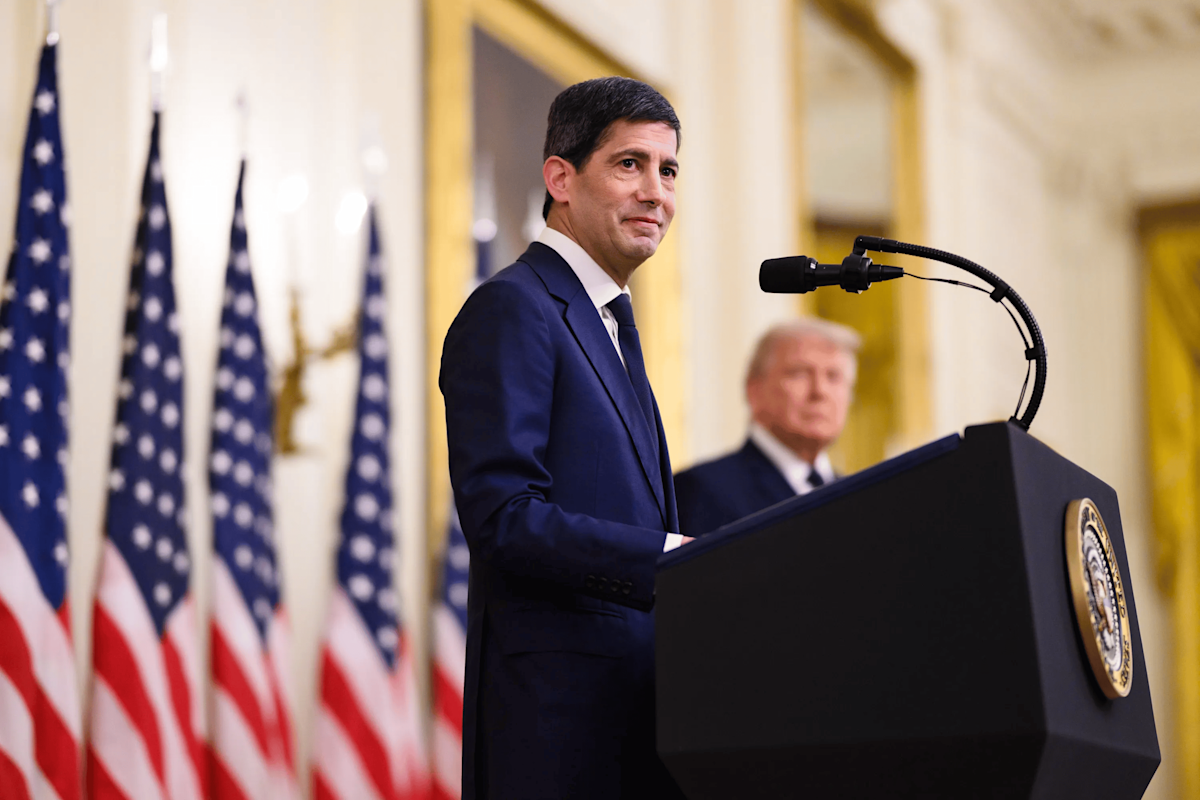
Kevin Warsh’s arrival at the Fed matters to every American who borrows. With inflation still elevated, the odds are leaning toward higher rates, not cuts, and that shift would hit households, especially those carrying credit card debt. A modest 0.25 percentage point move by the Fed can translate into billions in extra interest costs. This article explains the numbers, why it matters, and practical steps consumers can take now.
Recent readings show consumer price inflation running hot, and the labor market remains surprisingly tight. That combination makes it harder for the Fed to justify cutting rates soon, and Republican policymakers are likely to press for responsible monetary discipline rather than risky easing. Kevin Warsh has made clear that price stability matters, and when inflation stays above target the path more often points upward for rates. For everyday Americans that means planning for higher borrowing costs rather than expecting relief.
U.S. households are carrying roughly $1.35 trillion in credit card debt, and most of that debt is tied to variable rates. Because credit card interest tracks benchmark rates, a typical Fed move is felt quickly at the consumer level. The math is sobering: $1.35 trillion × 0.0025 = $3.375 billion, so a single 25-basis-point increase can add more than $3 billion in annual interest across the country. That is not theoretical for many families; it shows up as higher minimums and longer payoff timelines.
The Fed does not set individual credit card rates outright, but it sets the federal funds rate banks use for short-term borrowing. When the Fed makes borrowing more expensive for banks, those costs usually get passed on to customers in the form of higher variable rates. Credit card issuers and lenders adjust pricing quickly, so consumers feel the effect of a Fed decision much sooner than they might expect. That transmission mechanism is straightforward and unavoidable unless you hold fixed-rate debt.
If you carry balances, the smartest move is to reduce those balances now while rates remain steady. Paying more than the minimum, prioritizing high-rate cards, and avoiding new revolving debt will lower the portion of your finances most exposed to rate moves. Another option is to refinance variable balances into a fixed-rate personal loan or a home-secured loan, locking in predictable payments that won’t spike with Fed action. Building a modest emergency fund can also prevent forced borrowing at the worst time.
Be cautious when trusting advisors whose pay depends on what they sell you rather than how well your money performs. A fiduciary adviser has a legal duty to put your interests first. They pair you with a fiduciary (required by law to put YOUR interest first) who will prioritize durable solutions over quick sales. Seeking advice from a fiduciary can help you align debt management with broader retirement and tax planning, especially if rising rates threaten your financial goals.
Policy choices at the Fed ripple through credit markets and households, and even small percentage moves add up across trillions in outstanding balances. Taxpayers and borrowers should expect the Fed under Warsh to prioritize inflation control, which could mean modest rate hikes rather than cuts. Preparing now—by cutting revolving balances, considering fixed-rate options, and shoring up savings—reduces vulnerability and gives you more control if the Fed decides higher rates are needed.
