
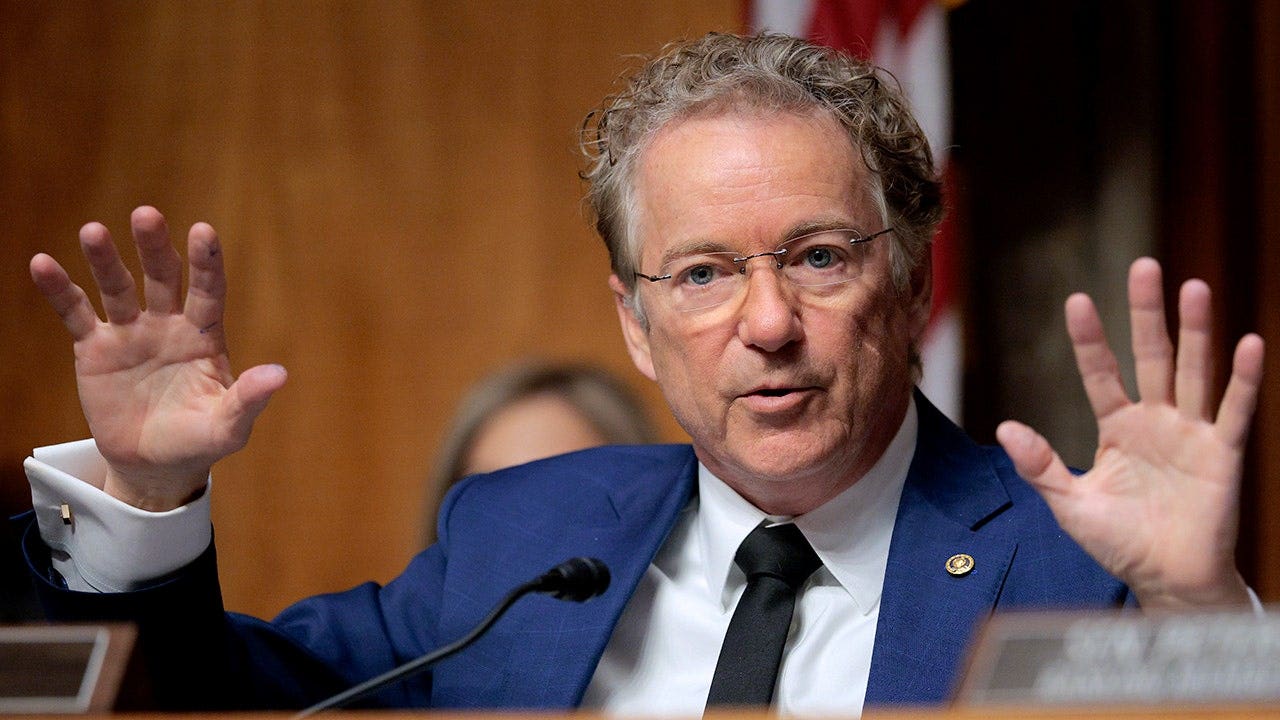
Rand Paul is pressing a familiar message in Washington: the federal books are a mess, and handing out cash is not a serious answer. With the national debt pushing past $40 trillion, the Kentucky Republican says spending has spiraled so far off course that both parties deserve blame. That stance puts him at odds with President Donald Trump’s pitch for a $5,000 payment to American adults if Republicans take full control of Congress.
Trump has called the idea the “Trump dividend,” turning it into a headline-grabber at a GOP midterm event in Dallas. Paul, though, isn’t buying the buzz. He says a government already drowning in deficits should not be promising payouts to voters, especially when the red ink is still growing fast.
In plain terms, Paul’s argument is simple: if the country is borrowing trillions, then dishing out more money is the wrong move. He warned that the federal deficit is running around $2 trillion short, and said he cannot picture giving away money while the government is still upside down. For him, the bigger problem is not just the size of the debt, but how normal it has become in both parties.
That criticism cuts deeper than one proposal. Paul says the fiscal collapse is “out of control” and argues that Republicans and Democrats alike have ducked the hard truth, which is that popular programs and spending habits cannot all survive untouched. He says politicians keep avoiding the moment when they have to tell voters that some government benefits would need to shrink if costs are ever going to come down.
Paul has been pushing his own budget message for years, built around gradual spending cuts over time. His approach has shifted with the size of the problem, but the core idea stays the same: reduce federal spending each year until the budget finally comes back into balance. He says the math got uglier after COVID-era spending, when both parties opened the tap and never really shut it off.
He also ties the debt to everyday pain, not just future danger. According to Paul, inflation and borrowing work together to chip away at the value of wages, savings, and buying power, meaning Americans feel the consequences long before a crisis headline hits. That warning gives his criticism a sharper edge, since it frames deficit spending as a quiet tax on everyone else.
Not every program gets the same treatment in his view. Paul says his cuts would not hit Social Security, but Medicare would be on the table, and he thinks waste, fraud, and means testing could produce real savings without gutting care. He argues that trimming Medicare does not automatically mean cutting health benefits, which fits his broader push for a leaner federal government.
The fight over spending is also tangled up with Paul’s own political future. He has left the door open to another presidential run and says he wants a Republican candidate who backs free markets, trade, and a smaller federal footprint. That means resisting the kind of government handouts that sound good for a news cycle but make the fiscal hole deeper.
In Paul’s telling, the country needs less campaign-stage generosity and more discipline from elected leaders. He says Republicans should not copy the same habits they criticize, and he clearly sees the proposed dividend as one more example of Washington trying to buy applause with borrowed money. That leaves him in a familiar spot, arguing that restraint still matters even when the political incentives point in the opposite direction.
