
Six months of war have pushed the Iran debate past missiles, sanctions, and regional threats. The real issue is now the kind of state that could emerge if the current system cracks, and whether the United States is ready for that moment instead of being blindsided by it.
Iran no longer looks like a simple theocracy with armed support behind it. It looks more like a militarized dictatorship, where clerical rule gives cover to the security apparatus that actually holds the power.
The system born in 1979 promised justice and delivered repression. It turned political Islam into a vehicle for state control, exported violence through proxy networks, and crushed normal political life inside the country.
What used to be a regime bent on exporting revolution now looks consumed by survival. That shift changes the entire picture, because fear at the top often makes rulers harsher, not wiser.
Economic pressure has added real strain, but the rot runs deeper than sanctions. Corruption, ideological obsession, wasted national wealth, and decades of repression have left the country brittle long before the latest fighting.
That is why unrest cannot be dismissed just because the streets are quiet. Regimes can silence crowds for a while, but they cannot erase the anger that built them, and silence is not the same thing as consent.
The hard part comes after a dictatorship starts to weaken. Collapsing a regime is not the same as building a free country, and the gap between those two moments is where things can get ugly fast.
Any future political order has to be decided by Iranians themselves. It should not be engineered in Washington, Jerusalem, Moscow, or Beijing, because outside powers can help shape conditions but cannot manufacture legitimacy.
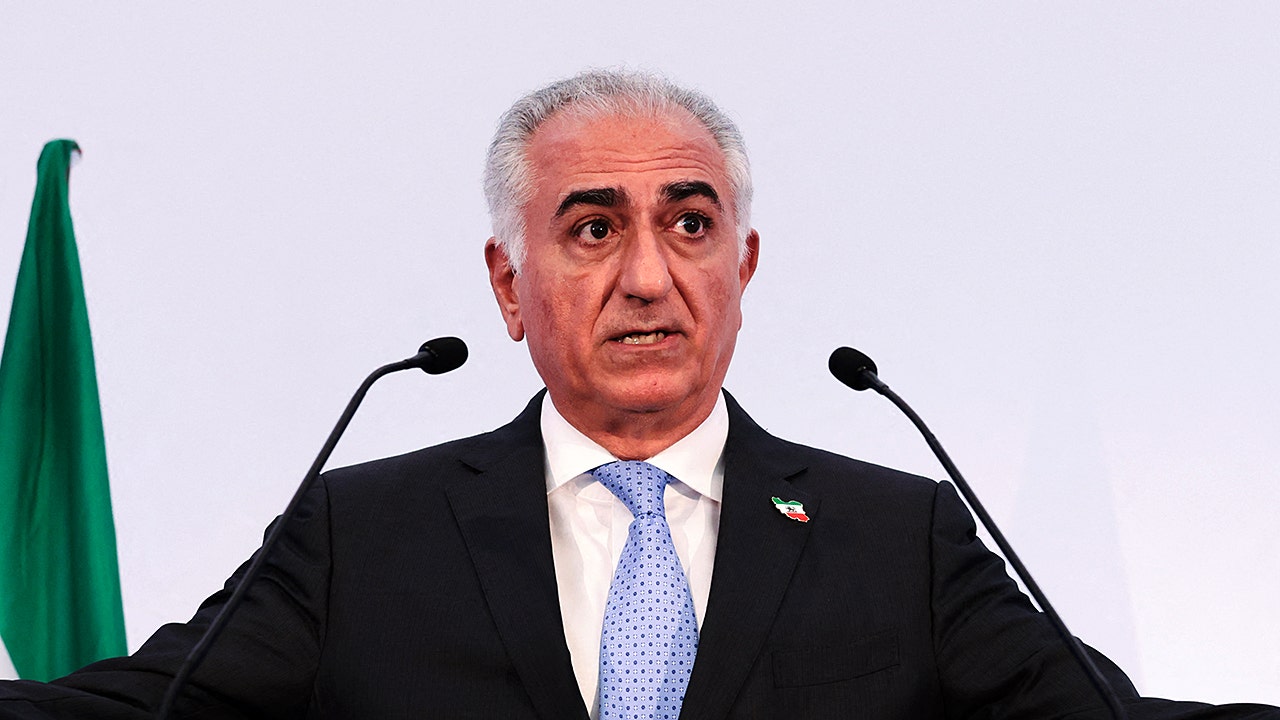
Among the figures who matter, Reza Pahlavi stands out because he has backed secular government, territorial integrity, and democratic transition. His role does not settle Iran’s future, but it gives him a distinct place in the conversation about what comes next.
Even then, the fall of the Islamic Republic would not magically solve everything. Other forces, from hardline Islamists to Marxists, sectarians, and separatists, would rush into the vacuum if no workable democratic framework is ready.
That is why citizenship has to come before ideology. A viable transition would need a state strong enough to survive the shock, yet open enough to let Iranians choose between real political options instead of inherited coercion.
Washington also needs a clearer memory of its own mistakes. Too often, diplomacy has been treated like a shortcut to transformation, when in reality the regime has learned to talk peace in one room while keeping pressure on in another.
Iran will also keep betting that U.S. politics can be used as a shield. But American national security cannot be run on election-season nerves, especially when Tehran’s network of proxies and asymmetric attacks remains part of its playbook.
The bigger strategic lesson is that America should stop acting as if only two outcomes exist, accommodation or chaos. A more serious approach would prepare for a third path, one that preserves Iran’s territorial integrity and gives the country a chance to rebuild on sturdier ground.
That kind of thinking also fits the regional picture. Saudi Arabia, Israel, and Arab partners all face overlapping threats from Iran-backed groups, and stronger cooperation can help blunt the reach of proxy warfare across the Middle East.
Hormuz, the Houthis, sanctions, and the wider conflict are all tied to the same revolutionary system. None of these problems appeared out of nowhere, and none will be solved until policymakers understand the deeper machinery that created them.
So the question is not just how the war ends. It is what political reality waits on the other side, and whether the United States will finally prepare for a post-revolution Iran before history forces the issue in a much uglier way.
