
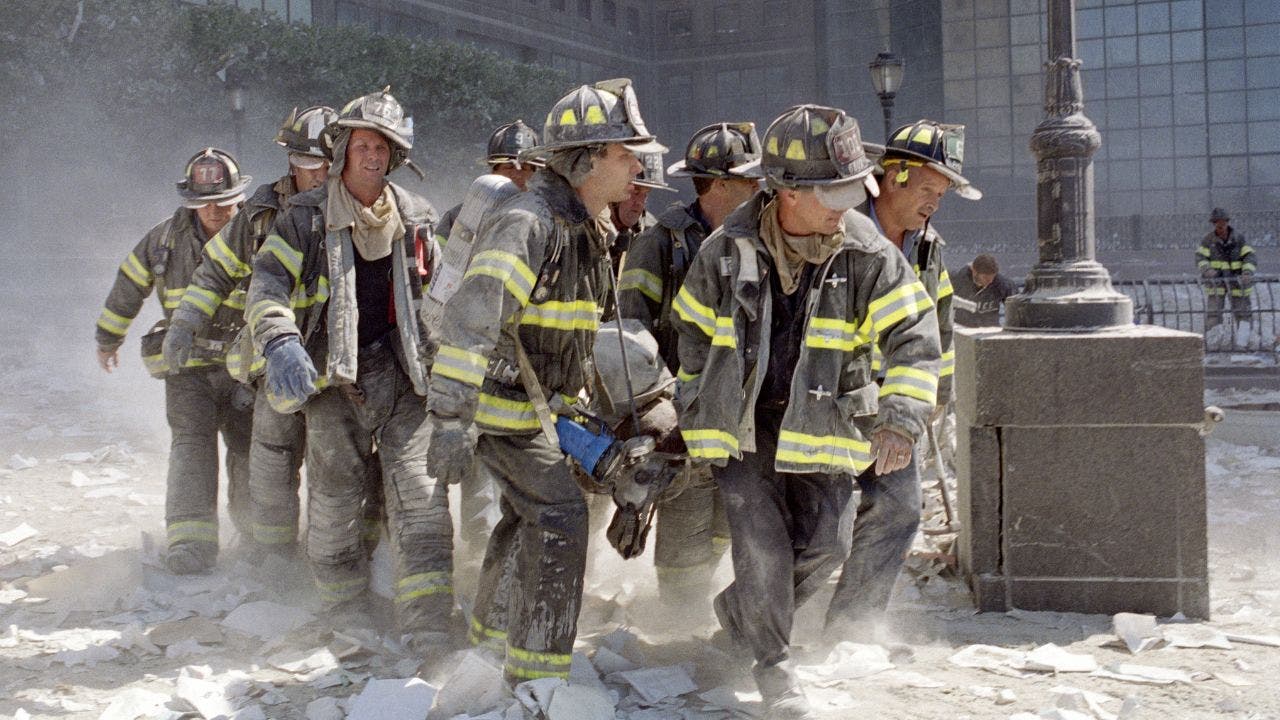
September 11 left a scar that never really fades, and the years since then have been shaped by the people who stepped forward when America needed them most. From the stunned morning of the attacks to the long, hard years that followed, the story is not just about loss. It is about courage, duty, and a country that refused to stay on its knees.
On that morning in 2001, chaos spread fast, but so did resolve. Across Washington and beyond, officials scrambled to understand what had happened and what might come next, while ordinary Americans were already moving toward danger instead of away from it. That instinct to protect, serve, and keep going became the defining answer to the horror of the day.
The threat did not begin on September 11, and it did not end there either. The bombing of the Beirut barracks, Pan Am Flight 103, the first World Trade Center attack, the embassy bombings in East Africa, and the attack on the USS Cole all pointed to a steady pattern of hatred aimed at the United States. Those events were not random flashes of violence, but warnings that too many people wanted to ignore for too long.
After 9/11, that old habit of waiting around changed. America decided it could no longer just absorb the blow, grieve, and hope the next strike would somehow miss. The mission became clear: stop terrorists before they could act, hunt them down abroad, and harden the homeland at the same time.
That shift asked a great deal of the men and women who answered the call. Nearly three million Americans served in the wars that followed, and more than 7,000 never made it home. Tens of thousands more carried wounds that could not always be seen, while military and intelligence teams worked for years to break terrorist networks and bring their leaders to justice.
The fight also reached far beyond the battlefield. Police officers, border agents, air marshals, and federal investigators kept watch when most people were asleep, often catching threats before anyone outside their world knew there was danger. In New York, the bond between sacrifice and service stayed especially close, with children of fallen firefighters growing up to wear the same uniform their fathers wore.
That is what makes the legacy of 9/11 so powerful. The most important victories were not always dramatic or visible, because the worst nightmares never happened. Another wave of attacks never came crashing down on the homeland, not because enemies lost interest, but because Americans kept standing in the way.
There is also a deeper kind of gratitude that belongs to this anniversary. It belongs to the first responders who ran into the towers, the passengers who fought back in the sky, the soldiers who deployed again and again, and the families who carried grief with quiet dignity. It belongs to the 2,977 innocent people whose lives were stolen that day, and to everyone who has spent the years since trying to make sure their memory is not flattened into a slogan.
The country that emerged from that ordeal is not the same one that woke up on September 11, 2001. It is more alert, more guarded, and more aware that freedom demands constant defense. That vigilance can feel tiring, but it is also a mark of respect for those who stepped into the breach and never asked for applause.
Even now, the lesson still lands hard: safety is not free, and peace does not protect itself. It depends on people willing to carry the burden, whether in combat zones, on city streets, at airports, or in quiet offices where the work never makes headlines. That kind of service deserves more than a yearly nod, because the price was paid in full by people who gave everything.
So the anniversary is not just a date on the calendar. It is a reminder of a nation that was tested, a generation that answered, and a duty that still hangs over the country today. The memory of that day should stay sharp, because the freedom that followed was built by Americans who refused to let fear have the final word.
