
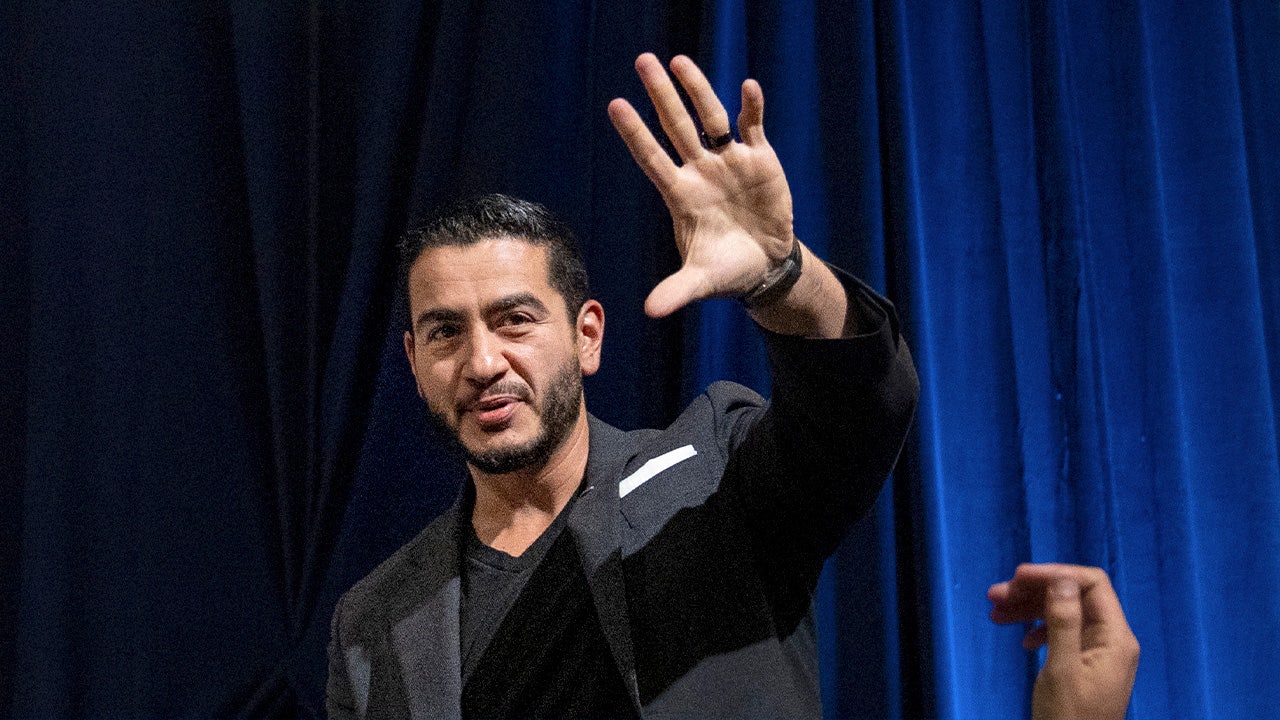
Michigan’s Senate contest is already carrying plenty of heat, and Abdul El-Sayed is putting a big moral message front and center. He is arguing that Black communities have been shortchanged for far too long, while also trying to broaden his appeal with a pitch built around public health, economic fairness, and daily struggles that hit families hard.
El-Sayed, the Democratic nominee, made the remarks during a Detroit gathering with women faith leaders hosted by the Woman Difference Collaborative. Speaking to the group, he said the nation needs to face what he called “unpaid debts” to Black communities and stop pretending those problems can be brushed aside.
“When it comes to black communities in Michigan — when it comes to black communities in America — there are unpaid debts that have long since come due that we are unwilling to acknowledge, let alone pay down,” El-Sayed said. “And I understand that we need leaders who are going to understand those debts and address them.”
The comments land in the middle of one of the country’s most closely watched Senate races, where El-Sayed is facing Republican Mike Rogers. That matchup has already drawn sharp attention because Michigan sits at the center of the fight for control, and both sides know every public appearance matters.
El-Sayed’s message at the event was not just about race and justice. He also used the moment to talk about why some Democratic voters who skipped him in the primary should give him another look now, saying the way forward is to keep showing up and keep making the case in person.
He framed his campaign around what he says he has already done in office and in public life, pointing to work on infant and maternal mortality, asthma, and lead exposure. That kind of pitch is aimed at voters who want more than slogans and are looking for someone who talks about bread-and-butter issues with some real-world detail.
Economic pressure was another big part of his message. El-Sayed said he wants to expand access to capital for small businesses and increase investment in housing and schools, two areas that often hit a nerve with voters who feel like the system is stacked against them.
His background gives the campaign a different shape than a typical political lifer. Before running for Senate, El-Sayed served as Wayne County health director, and he also made an unsuccessful run for Michigan governor in 2018 before turning his attention to the current race.
The Detroit event did not stay locked on one topic, either. According to the C-SPAN-recorded appearance, the discussion also touched on his public health record, U.S. aid to Israel, his endorsement of Kamala Harris in the 2024 presidential race, and criminal justice concerns that continue to loom over campaigns in large cities and swing states alike.
That broader mix matters because the race is not happening in a vacuum. Michigan voters are hearing about jobs, schools, crime, foreign policy, and the state of local communities all at once, which means candidates have to keep juggling message after message without losing their core lane.
Rogers, meanwhile, remains a familiar Republican name in the state and a serious threat in a contest that could come down to narrow margins. His side has already been pressing hard, and the race has the feel of a hard-nosed battle where every statement gets tested in real time.
El-Sayed’s remarks show a campaign trying to do two things at once: speak plainly to voters who want direct answers about racial inequity, and prove he can handle the wider list of problems that define Michigan life. In a race this tight, the ability to connect those threads may matter just as much as the headline-grabbing lines.

1 Comment
He seeded debts day 1