
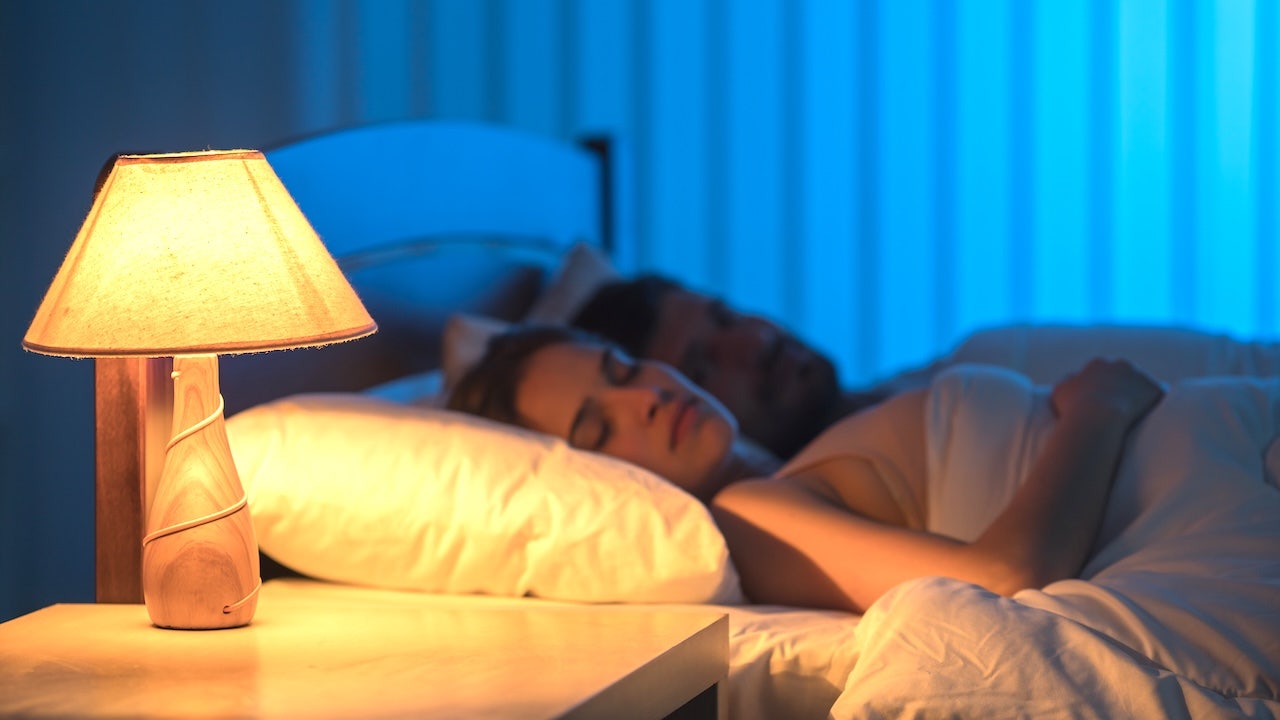
Sleeping with even a small amount of light in the room may be doing more than stealing a few minutes of rest. New research and expert commentary point to a clear pattern: nighttime light can interfere with the body’s natural sleep signals, and over time that may spill into heart, metabolic, and brain health.
Researchers from Tulane University found that light exposure above 3 lux, about the level of moonlight, was associated with a higher risk of heart failure, atrial fibrillation, heart attack, stroke, and cardiovascular death. The concern is not just about being mildly annoyed by a glowing lamp or streetlight, either. Light at night can nudge the body out of sync with its normal rhythm, and that matters more than many people realize.
Sleep runs on a built-in 24-hour system called the circadian rhythm. When light reaches the eyes, the brain gets the message to slow down melatonin, the hormone that helps set the stage for sleep. When the room is dark, melatonin rises and the body settles into nighttime mode.
That process sounds simple, but it is easy to disrupt. A bedroom filled with light pollution from nightlights, screens, hallway glow, or outside traffic can make the brain act like it is still daytime. That can reduce sleep quality, shorten deep rest, and leave the body missing the repair work it depends on overnight.
The health effects go well beyond feeling groggy the next morning. Experts say sleep supports body and brain restoration, hormone release, immune function, memory consolidation, waste clearance in the brain, and metabolic regulation. When sleep is repeatedly poor, the risk can rise for hypertension, cardiovascular disease, stroke, type 2 diabetes, obesity, neurodegenerative disease, certain cancers, and mood disorders.
One study from Northwestern Medicine also found that just one night of sleeping with moderate light exposure, around 100 lux, changed glucose regulation and increased heart rate and sympathetic nervous system activity. In plain terms, the body looked more stressed and less ready to recover. That kind of repeated strain can add up fast.
Sleep researchers also point to the gut as part of the picture. Emerging evidence suggests that sleep disruption can affect the microbiome, which plays a role in digestion and immunity. That makes the downside of nighttime light feel less like a small annoyance and more like a broad health problem that starts in the bedroom.
Some people are more likely to feel the effects. Shift workers, children, older adults, and people with insomnia or mood disorders tend to be more vulnerable to light at night. Older adults may react differently because their eyes and circadian systems change with age, while people already struggling with sleep can get pushed even further off balance by bright evening exposure.
Not all light is equally disruptive, though. Blue light from phones and TVs is usually the worst because the eye is especially sensitive to it, and it strongly suppresses melatonin. Dimmer, warmer tones like amber, orange, and red are much gentler and are closer to the colors the body expects to see as night settles in.
That does not mean total darkness is the only path to decent sleep. Experts say blackout curtains can help, but a healthy sleep setup is really about reducing harsh, bright, and blue-toned light before bed. Turning down overhead lights, keeping nightlights low to the floor, and limiting screen use in the hour before sleep can make a real difference.
For anyone dealing with insomnia, the stakes are even higher. Bright light before bedtime can deepen an already rough cycle, making it harder for the brain to shift into true rest. A calmer, darker room gives the body a better shot at doing what it is built to do when the lights go out.
